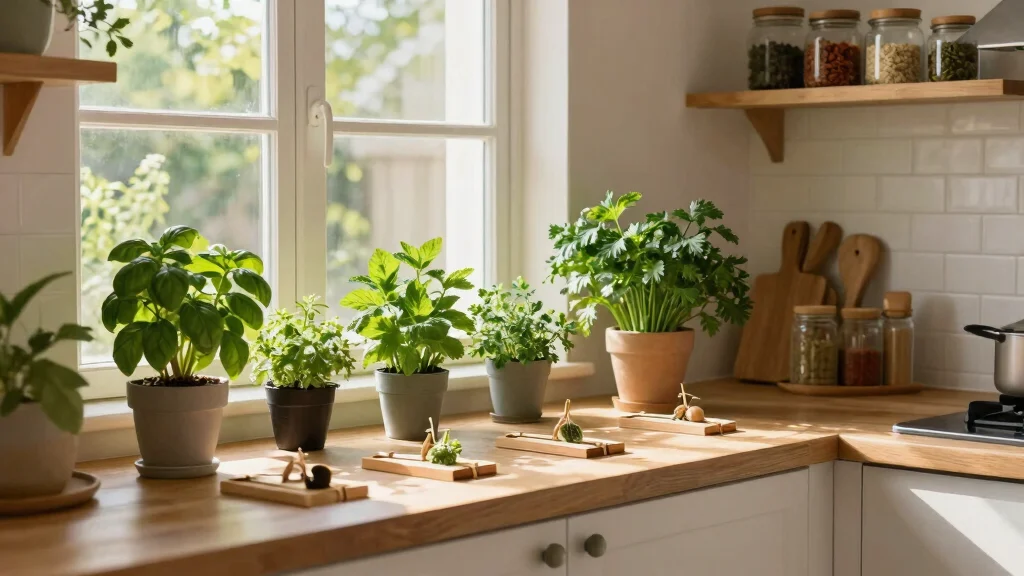
Have you ever walked into your kitchen and felt like you were sharing your space with an uninvited swarm of tiny pests? If you’re nodding your head in agreement, you’re not alone. The battle against gnats can be frustrating, especially when you’re trying to enjoy your indoor herb garden or keep your kitchen tidy. I created this post because I know how pesky these little creatures can be, and I want to help you reclaim your kitchen without breaking a sweat.
This guide is for anyone who loves indoor gardening, enjoys cooking with fresh herbs, or simply wants to keep their kitchen a welcoming space. If you care about maintaining a healthy home environment, this is just what you need. You’ll discover 12 genius solutions to get rid of gnats that work overnight, using easy-to-find ingredients and methods. These tips will not only help you tackle those annoying pests but also ensure your kitchen remains a vibrant place for your plants and meals.
In this blog post, you’ll find practical methods that are effective and straightforward. Whether you’re looking for natural gnat traps or home remedies for gnats, this guide has got you covered. Get ready to dive into solutions that are not just quick but also safe for your family and your plants. Let’s kick those gnats to the curb!
Key Takeaways
– Quick Solutions: You’ll learn about methods like the apple cider vinegar trap and essential oil spray that can help you eliminate gnats almost instantly.
– Natural Remedies: Discover how to use household items, such as hydrogen peroxide and garlic water, to create effective homemade pest control solutions.
– Preventive Measures: Find out simple daily habits like regular cleaning and keeping fruits covered that can help fend off future gnat invasions.
– Soil Management: Understand the importance of soil replacement and drying out the soil to eliminate breeding grounds for gnats in your indoor plants.
– Beneficial Insects: Explore how introducing beneficial insects into your garden can naturally reduce indoor gardening pests without harmful chemicals.
1. Apple Cider Vinegar Trap
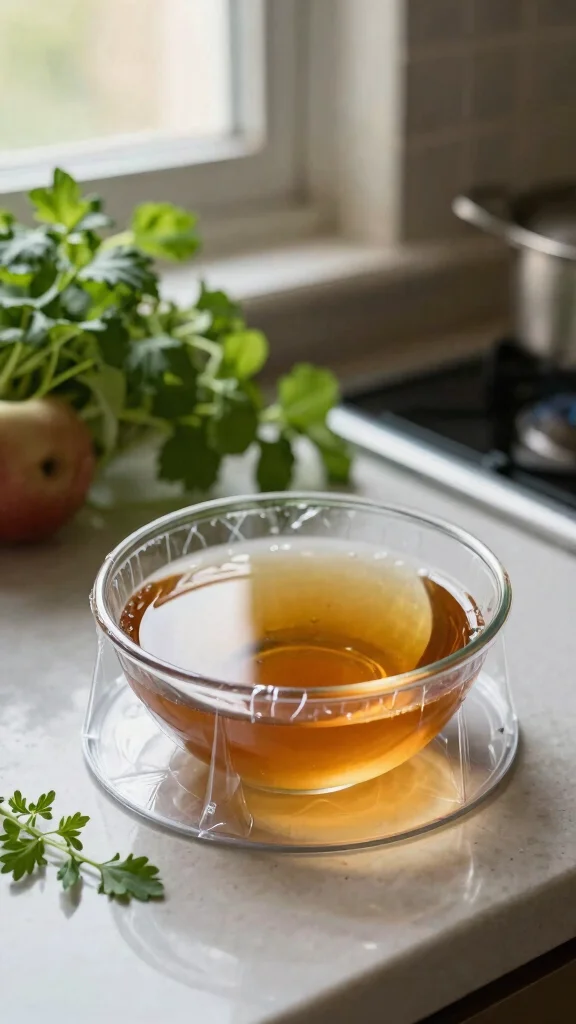
The charm of an apple cider vinegar trap lies in its simplicity and effectiveness. The sweet, tangy aroma is irresistible to gnats, luring them into a bowl from which they cannot escape. Imagine placing a small, inviting bowl filled with apple cider vinegar on your kitchen counter, surrounded by your favorite herbs, creating a delightful and functional decor piece. This method not only captures pests but also infuses your space with a pleasant scent that elevates your kitchen atmosphere.
To set up this effective trap, fill a bowl with apple cider vinegar, cover it with plastic wrap, and puncture small holes for the gnats to enter. You can enhance this trap by placing it in areas where gnats are most active, ensuring maximum capture without the use of chemicals.
Consider these steps to create your apple cider vinegar trap:
– Pour a half cup of apple cider vinegar into a bowl.
– Cover tightly with plastic wrap.
– Secure with a rubber band if desired.
– Puncture small holes in the wrap with a toothpick.
– Place the trap near your plants for best results.
This method not only aids in pest control but also adds a touch of homey appeal. The combination of natural materials enhances the aesthetic and keeps your kitchen smelling fresh.
Fun fact: an apple cider vinegar trap can attract gnats in seconds and reduce kitchen gnats by up to 70% within 24 hours. This simple trick shows gnats get rid of in kitchen, naturally and affordably.
2. Soil Replacement
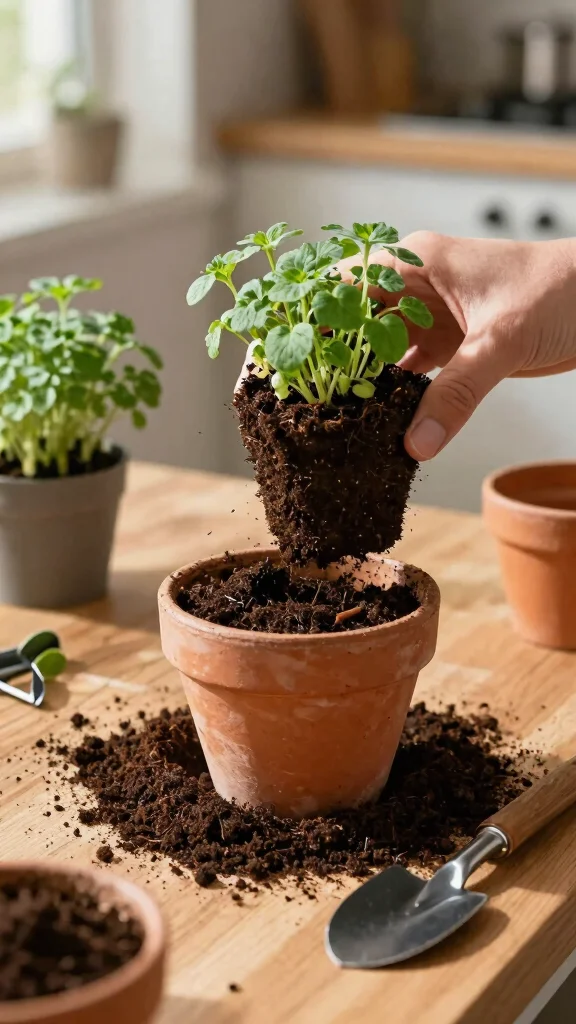
When dealing with gnats, the soil may be the hidden culprit behind your indoor plant troubles. Damp soil is a breeding ground for these pests, making it crucial to refresh your potting mix. By replacing the old, moisture-laden soil with fresh, dry potting mix, you disrupt the lifecycle of gnats and promote a healthier environment for your plants. Imagine the satisfaction of reviving your herbs while also beautifying your space.
To effectively replace the soil, gently remove your plants, shake off the old soil, and clean the pots before adding new potting mix. Water less frequently afterward to maintain an inhospitable environment for gnats.
Follow these steps for a successful soil replacement:
– Carefully take your herb plants out of their pots.
– Shake off excess old soil without damaging roots.
– Clean the pots and let them dry thoroughly.
– Fill pots with fresh, dry potting soil.
– Replant your herbs and water them sparingly.
This approach not only eliminates pests but also rejuvenates your plants. Fresh soil improves drainage and enhances the overall health of your indoor garden, creating a thriving atmosphere.
How To Choose the Right Natural Gnat Trap
When it comes to getting rid of gnats in your kitchen, selecting the right natural gnat trap is essential for effective pest control. Here are some key factors to consider when choosing a gnat trap that suits your needs:
1. Type of Trap
Identify the type of trap that will work best for you. There are various options like apple cider vinegar traps, sticky traps, and essential oil traps. Each type has its merits, so think about which one matches your preferences and the specific gnat problem you’re facing.
2. Ease of Use
Consider how easy the trap is to set up and maintain. Some traps require more preparation, like mixing ingredients or placing them strategically. Choose a trap that fits seamlessly into your routine without causing extra hassle.
3. Effectiveness Against Specific Pests
Different traps target different types of pests. If you’re aiming to eliminate fruit flies, make sure the trap you select is specifically designed for that purpose. Read reviews or do a bit of research to assess how well the trap works against gnats.
4. Safety and Non-Toxic Options
If you have children or pets, prioritize natural gnat traps that are safe and non-toxic. Many traps use food-based attractants or natural oils that won’t harm your family. Always check the labels to ensure they meet your safety standards.
5. Price Range
Determine your budget before diving in. Natural gnat traps can vary widely in price. Set a reasonable budget and compare options to find the most effective trap within your price range. Remember that sometimes spending a little more can lead to better results.
Pro Tip: Always keep a few extra traps on hand. You never know when new gnats might appear, especially in the kitchen!
Choosing the right natural gnat trap can significantly reduce the pest population in your kitchen. By considering the type of trap, ease of use, effectiveness, safety, and price, you can make an informed choice that helps keep your indoor gardening space free of pests. Happy gardening!
3. Essential Oil Spray
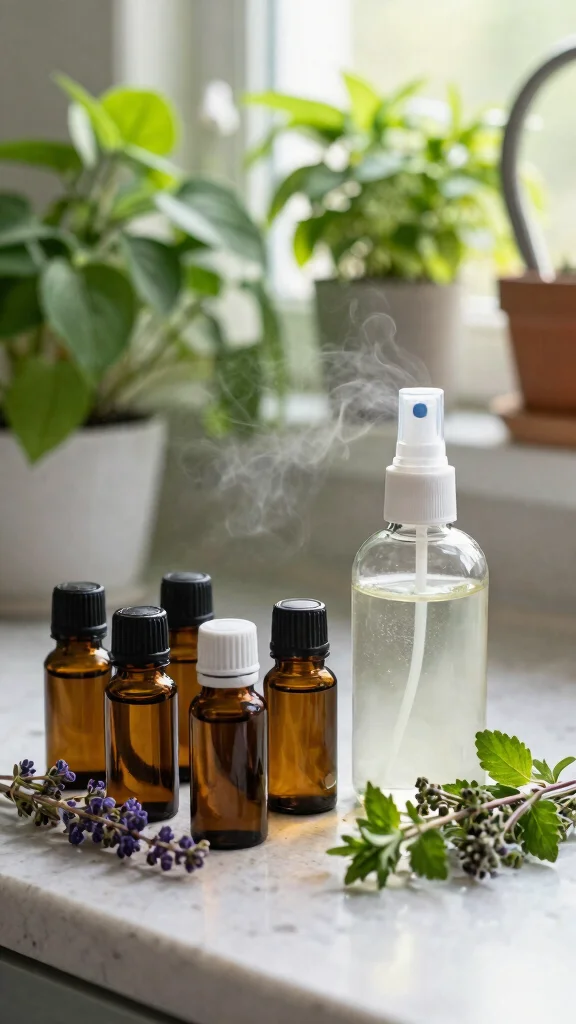
Harnessing the power of essential oils can transform your indoor space into a fragrant sanctuary while warding off pesky gnats. Oils like peppermint, lavender, and tea tree offer a natural repellent that’s both effective and safe for your kitchen. By creating a simple spray, you can enjoy the aromatic benefits while keeping your plants protected. Visualize spritzing your herb pots with a delightful scent that not only smells wonderful but also keeps unwanted guests at bay.
Mix a few drops of your favorite essential oil with water in a spray bottle, then spray around your plants and surfaces where gnats gather. This gentle method is not only effective but also promotes a lovely ambiance in your kitchen.
To create your essential oil spray, follow these steps:
– Fill a spray bottle with one cup of water.
– Add 10 drops of your chosen essential oil (like peppermint or tea tree).
– Shake well to combine.
– Spray around your plants and kitchen surfaces.
Reapply regularly to maintain effectiveness. This aromatic strategy not only deters gnats but also enriches your home with uplifting scents, enhancing your overall kitchen experience.
4. Sticky Traps
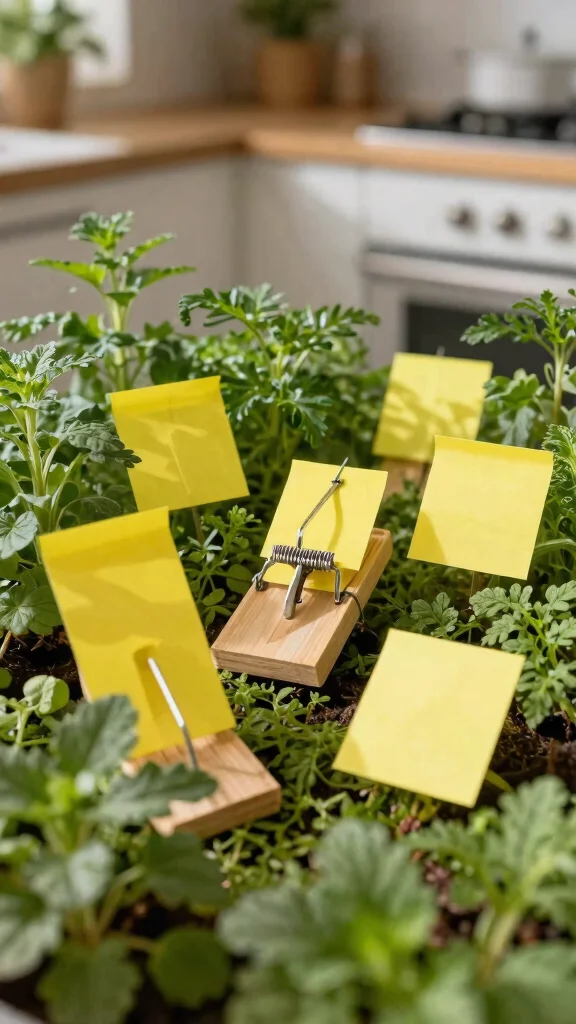
Sticky traps are an attractive and straightforward solution for capturing gnats and other flying pests. With their vibrant yellow or blue surfaces, these traps lure insects in and keep them stuck, providing a visual indicator of pest activity. Imagine having these colorful cards adorning your indoor garden, working silently to help maintain a pest-free environment while adding a splash of color to your decor.
To use sticky traps effectively, place them near your herb pots or other areas where you notice gnats. Installation is a breeze—simply peel off the backing and set them up in the soil or hang them nearby.
To effectively use sticky traps, consider these steps:
– Purchase sticky traps from your local garden store.
– Peel off the protective backing to expose the adhesive.
– Stick the traps upright in the soil or hang them near your plants.
Using sticky traps in conjunction with other methods creates a comprehensive pest control strategy. Their bright colors not only serve a purpose but also enhance the visual appeal of your indoor space.
Sticky traps are your friendly sidekick when gnats get rid of in kitchen problems—colorful cards lure, then trap. Place them near herb pots and watch the tiny intruders disappear while your counter stays cheerful.
5. Hydrogen Peroxide Rinse
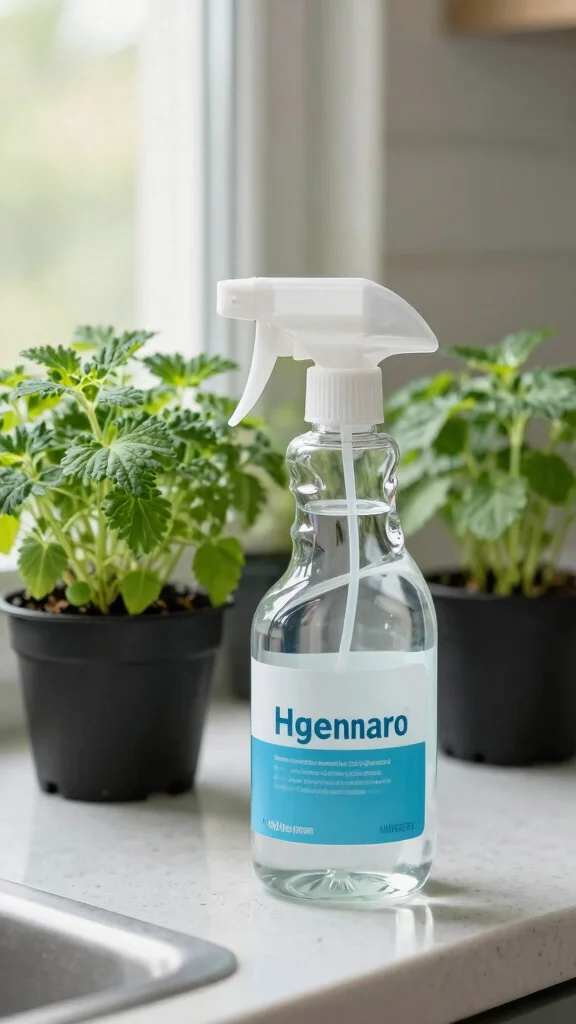
Using hydrogen peroxide is an effective and eco-friendly way to combat gnats. This solution not only eliminates adult pests but also disrupts the lifecycle by targeting larvae in the soil. Imagine the peace of mind knowing that your plants are safe while you tackle the gnat problem head-on. With this method, you can keep your indoor garden thriving without harsh chemicals.
Mix one part hydrogen peroxide with four parts water in a spray bottle and apply it to your plants. This rinse disinfects the soil and ensures a healthy environment for your herbs, promoting robust growth.
To create your hydrogen peroxide rinse, follow these steps:
– Combine one cup of hydrogen peroxide (3% solution) with four cups of water in a spray bottle.
– Shake well before use.
– Water your indoor plants with this solution, avoiding excess moisture.
Using this rinse weekly will help reduce gnat populations significantly. Always test a small area first to ensure that your plants remain unaffected while enjoying the benefits of a healthier growing environment.
6. Cinnamon Dusting
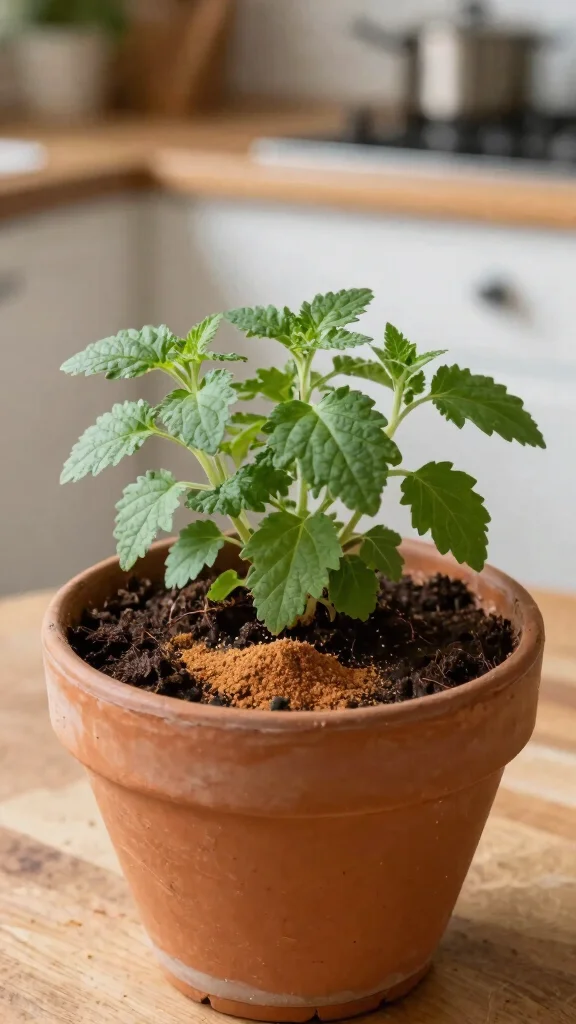
Cinnamon is not only a delightful spice for baking but also a powerful natural pest deterrent. Its strong scent repels gnats and other unwanted insects while adding nutrients to the soil. Imagine dusting the top layer of your indoor plants with this aromatic spice, creating not just a barrier against pests but also enhancing the overall health of your herbs.
By lightly sprinkling ground cinnamon on the soil, you create a protective layer that helps prevent future infestations. Regular dusting can be a simple yet effective solution to keep your indoor garden thriving.
To use cinnamon effectively, follow these instructions:
– Purchase ground cinnamon from your local store.
– Lightly dust the top layer of the soil in your herb pots.
This method is safe for all types of indoor plants and adds a wonderful fragrance to your kitchen. The dual benefits of pest control and enhanced soil health make cinnamon a must-have in your indoor gardening toolkit.
7. Garlic Water Spray
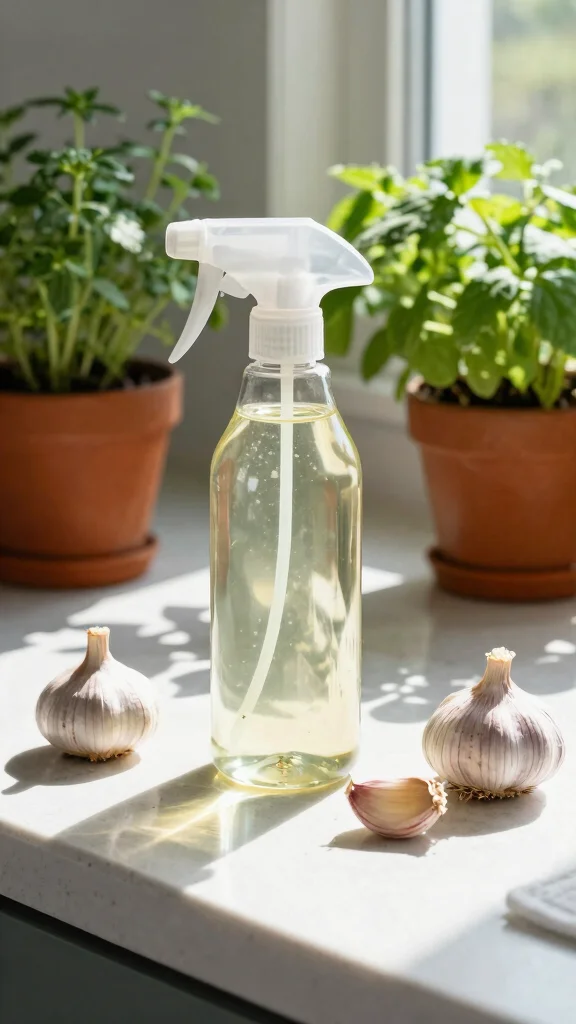
The pungent aroma of garlic is famous for its culinary uses, but it also serves as an effective gnat repellent. By creating a garlic water spray, you harness its natural properties to protect your indoor plants. Imagine the satisfaction of knowing you can use this common kitchen ingredient to keep your herb garden safe from pests while enhancing the kitchen’s natural scent.
To create the spray, blend several garlic cloves with water and let it steep overnight. The resulting mixture can be sprayed around your plants and kitchen areas, deterring gnats effectively.
Follow these steps to make your garlic water spray:
– Blend 3-4 cloves of garlic with one cup of water until smooth.
– Let the mixture sit for 24 hours.
– Strain and pour into a spray bottle.
– Spray around your indoor plants and kitchen areas.
Using this spray weekly will help keep gnats at bay. The garlic smell will dissipate quickly, leaving behind a protective barrier against pests while maintaining a fresh atmosphere in your kitchen.
8. Neem Oil Solution
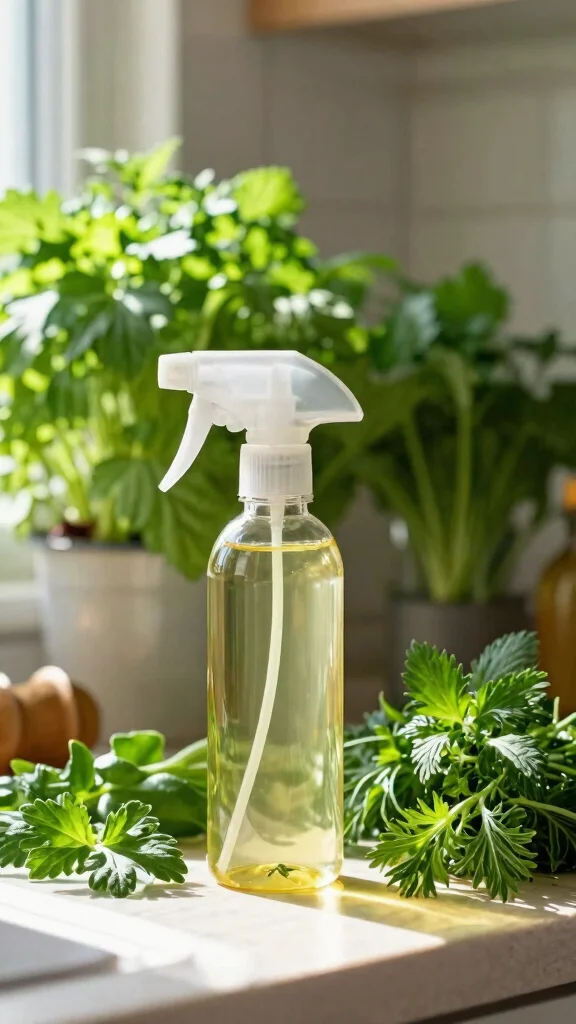
Neem oil stands out as a natural pesticide that effectively combats various indoor pests, including gnats. Derived from the seeds of the neem tree, it disrupts the lifecycle of these pesky insects while being safe for your indoor environment. Imagine using this powerful natural remedy to keep your plants healthy and pest-free, all while ensuring a safe space for pets and children.
To create a neem oil solution, mix it with water and a few drops of dish soap in a spray bottle. This combination not only repels adult gnats but also targets their larvae, providing a comprehensive approach to pest management.
To prepare your neem oil solution, follow these instructions:
– Combine 1 tablespoon of neem oil, 1 teaspoon of dish soap, and 1 cup of water in a spray bottle.
– Shake well to mix thoroughly.
– Spray on affected plants and surrounding areas.
Applying neem oil weekly will help control gnat populations effectively. This natural solution promotes a healthy growing environment and contributes to the overall vitality of your indoor garden.
9. Cleaning Regularly
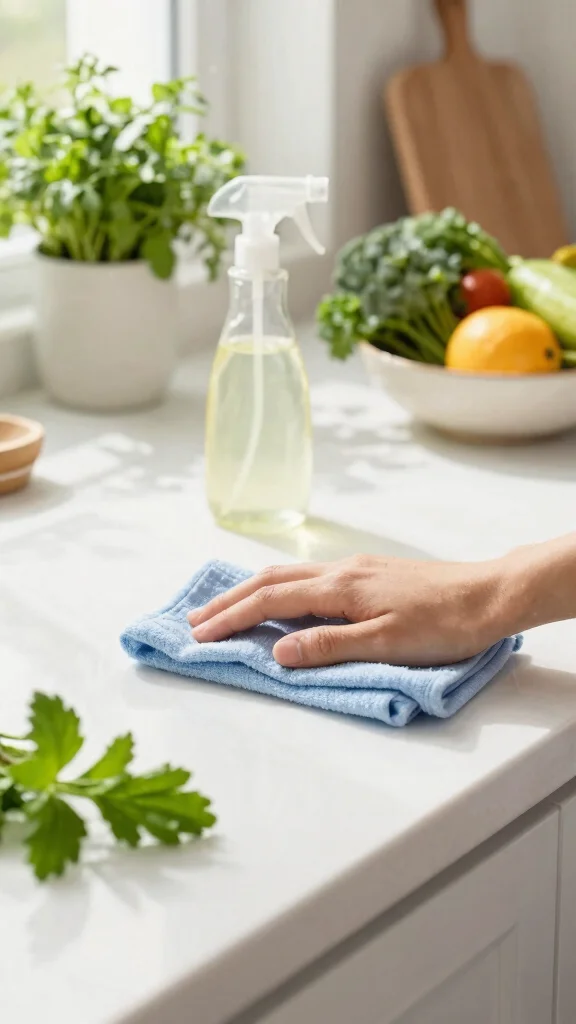
Maintaining a clean kitchen is one of the most straightforward yet effective ways to deter gnats. These pests are drawn to decaying food and dirty surfaces, making regular cleaning essential. Picture a sparkling kitchen free of food remnants, where the air is fresh and inviting, effectively discouraging gnats from making it their home.
Make it a habit to wipe down surfaces, clear away food residue, and keep your sink clean. Regular cleaning not only eliminates potential breeding grounds but also creates a welcoming environment for you and your guests.
Incorporate these cleaning tasks into your routine:
– Wipe down kitchen surfaces daily with a natural cleaner.
– Sweep or vacuum to remove crumbs and debris.
– Clean your sink and empty it of any standing water.
– Dispose of kitchen waste responsibly.
Focusing on often-overlooked areas, like under appliances, will further enhance your efforts. A clean kitchen not only looks great but also significantly reduces the chances of gnat infestations.
10. Keep Fruits Covered
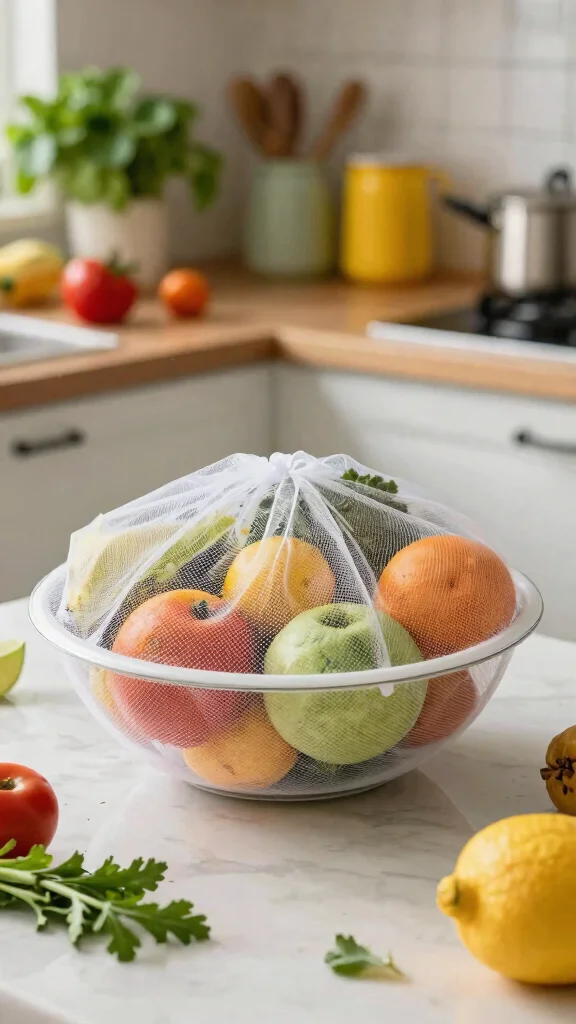
Fruits can be a significant attractant for gnats, especially when they are ripe. Preventing gnats from invading your kitchen starts with proper fruit storage. Imagine a tidy kitchen where all your fruits are safely covered, reducing the chances of pesky pests infiltrating your space.
Keep fruits covered or stored in the refrigerator to minimize exposure. If you have an open fruit bowl, consider using a mesh cover that allows airflow while keeping pests at bay. This simple adjustment can dramatically decrease gnat activity in your kitchen.
Follow these steps to keep your fruits safe:
– Cover fruits with a mesh dome or wrap.
– Store perishable fruits like bananas or peaches in the refrigerator.
– Regularly check for ripeness and remove any spoiling fruits.
These practices not only help in gnat prevention but also maintain the freshness of your fruits. Keeping your kitchen organized will create a more inviting atmosphere for you and your family.
11. Use Beneficial Insects
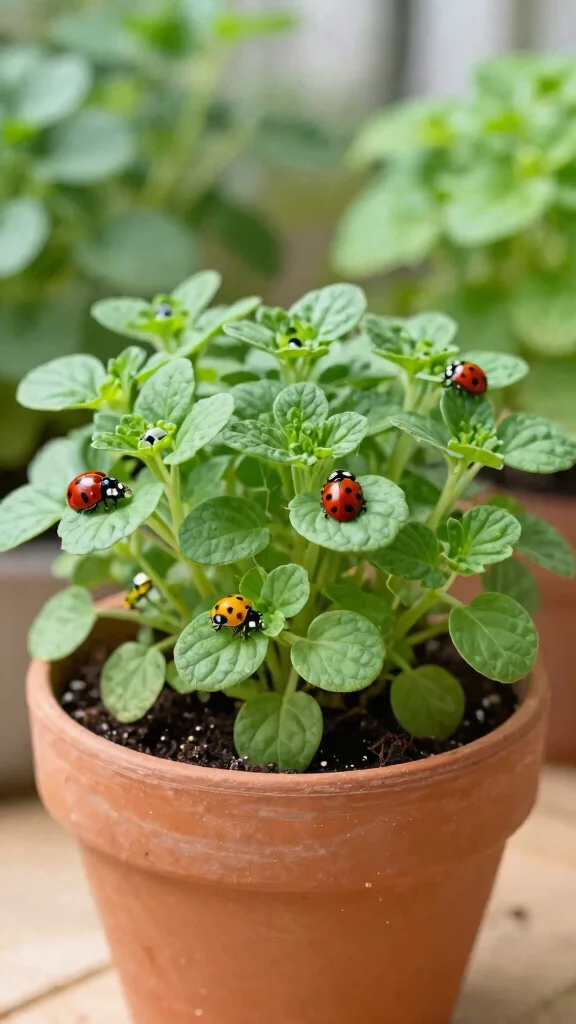
For indoor gardening enthusiasts, introducing beneficial insects can be a proactive solution for managing gnat populations. These tiny allies, such as ladybugs and predatory nematodes, feast on gnat larvae and other pests, contributing to a healthier indoor ecosystem. Imagine the joy of nurturing your plants while knowing you have natural helpers working alongside you to keep pests in check.
You can find these beneficial insects at garden stores or online, making it easy to add them to your indoor garden. Ensure that you choose species safe for your specific herbs and indoor conditions for optimal results.
Here’s how to incorporate beneficial insects:
– Research and purchase beneficial insects suitable for indoor use.
– Release them in your indoor garden according to package instructions.
Monitor their effectiveness and enjoy the added beauty of these helpful insects while ensuring a thriving indoor garden. This natural method not only controls pests but also enhances your gardening experience.
❝ Did you know beneficial insects can reduce gnat populations by up to 80% in two weeks? For indoor herb setups, they’re your shortcut to gnats get rid of in kitchen spaces—hands-off and naturally effective.
12. Drying Out the Soil
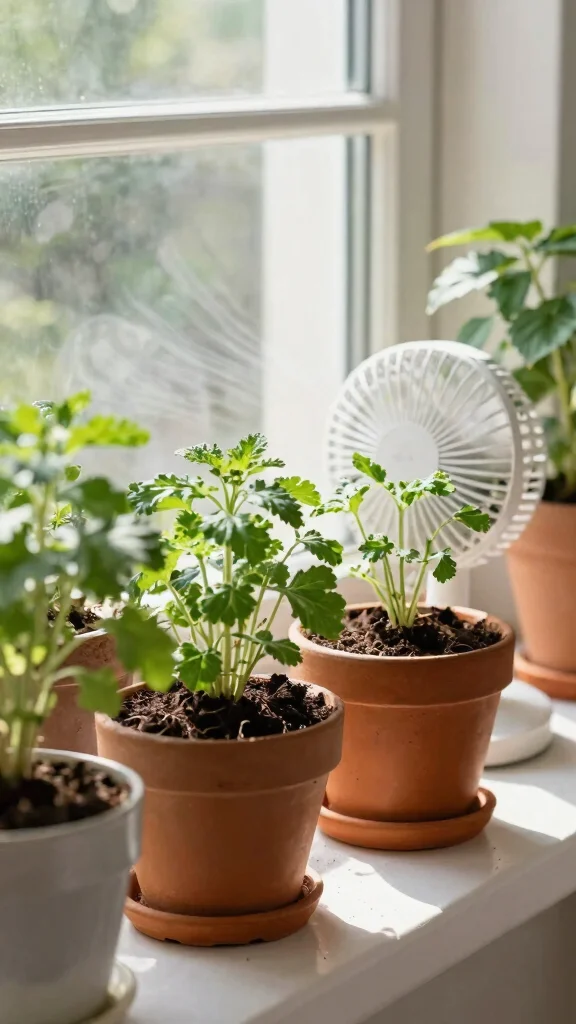
Gnats thrive in moist environments, so allowing the top layer of your soil to dry out can significantly reduce their presence. Picture your indoor herbs thriving in a balanced environment where overwatering is a thing of the past, promoting healthier roots and deterring pests simultaneously.
Be mindful to check moisture levels before watering your plants. Allow the top 1-2 inches of soil to dry out completely between watering sessions. You might also consider placing a fan near your herbs to encourage airflow and expedite soil drying.
To effectively manage soil moisture, follow these steps:
– Allow the top 1-2 inches of soil to dry out completely.
– Water your plants only when necessary, based on moisture levels.
– Use a small fan to promote airflow.
This method works best in combination with sticky traps and other natural remedies for a comprehensive pest management strategy. The result is a vibrant garden where your herbs can flourish in a healthy, pest-free environment.
Conclusion
Keeping your kitchen and indoor herb garden gnat-free doesn’t have to be a daunting task. With these practical solutions at your fingertips, you can easily manage and eliminate pesky pests overnight.
From natural traps and cleaning methods to beneficial insects and essential oils, these strategies not only keep your plants healthy but also create a pleasant cooking environment. Try combining a few methods for the best results, and enjoy your pest-free kitchen while nurturing your love for indoor gardening!
Note: We aim to provide accurate product links, but some may occasionally expire or become unavailable. If this happens, please search directly on Amazon for the product or a suitable alternative.
This post contains Amazon affiliate links, meaning we may earn a small commission if you purchase through our links, at no extra cost to you.
Frequently Asked Questions
What are the most effective natural traps to get rid of gnats in the kitchen overnight?
Here’s how to use natural gnat traps to gnats get rid of in kitchen quickly. Start with an apple cider vinegar trap: fill a small jar with ACV, add a drop of dish soap, cover with plastic wrap and poke tiny holes. The gnats fly in and can’t escape.
Then try a funnel-style trap: cut a plastic bottle and invert the top into the bottom with a bit of ACV or ripe fruit. The scent lures adults down the funnel.
Place traps near your indoor herb pots, by the sink, and above the compost bin. Keep surfaces dry, wipe spills, and take out trash daily to starve breeding sites. You should notice fewer adults by tomorrow morning.
How can I do effective kitchen pest control for an indoor herb garden without harsh chemicals?
Smart kitchen pest control for an indoor herb garden starts with prevention and gentle methods. Remove overripe fruit, rinse recyclables, and avoid leaving damp soil or standing water near your herbs. Use natural gnat traps (like the ACV traps) to catch adults while you tackle the root causes. Place yellow sticky traps near pots to catch flying insects. Water herbs from the bottom to keep damp leaves away. If you must treat soil, start with a light hydrogen peroxide soak: mix 3% peroxide with water at 1:4 and water a test plant, then wait 24 hours before re-watering with plain water. For long-term control, top-dress the soil with sand or perlite, or replace the top 1 inch of soil after removing pests. Avoid chemical sprays and rely on sanitation, moisture management, and proper plant spacing to prevent indoor gardening pests from returning.
What are practical home remedies for gnats for indoor herb gardens?
Try these practical home remedies for gnats that work in indoor herb setups: 1) Top-dress soil with a thin layer of sand or perlite to deter eggs. 2) Use a soil soak of 3% hydrogen peroxide in water (1:4); let it sit briefly, then rinse with plain water after a day. 3) Set natural gnat traps with apple cider vinegar and a drop of dish soap. 4) Remove the top layer of soil and let the pot surface dry between waterings. 5) Improve airflow with a small fan to disrupt flying gnats. Remember to test remedies on a single plant first and avoid over-watering. These indoor gardening pests can be controlled with consistent care.
How can I eliminate fruit flies from my indoor herb setup without harming plants?
To eliminate fruit flies around your herbs: 1) Remove ripe fruit and compostable scraps; keep trash bins sealed and emptied daily. 2) Set natural gnat traps near the kitchen and herb pots with apple cider vinegar and a drop of dish soap. 3) Clean drains with boiling water or a kitchen-safe drain cleaner to kill larvae in pipes. 4) Increase air movement with a small fan to disturb flying gnats. 5) If needed, use a minimal amount of approved plant-safe spray sparingly on non-edible parts. These steps dramatically reduce fruit flies and help you maintain fresh herbs.
What steps help prevent gnats from returning after you clean up and treat your kitchen?
Prevention is key for kitchen pest control and indoor gardening pests. Keep areas dry: allow soil to dry between waterings, use pots with drainage, and avoid leaving damp towels or plant debris. Regularly wipe counters, clean drains, and empty compost. Use natural gnat traps as a quick check around the herb pots. Keep ripe fruit out of the kitchen and store produce in the fridge when possible. If you bring in new plants, inspect them for pests and quarantine them for a short period. With consistent cleaning and monitoring, gnats are unlikely to return.
Related Topics
kitchen pest control
gnats solutions
natural gnat traps
indoor gardening
home remedies for gnats
eliminate fruit flies
easy pest management
quick tips for gardening
indoor herb care
pest control methods
beginner friendly
overnight fixes