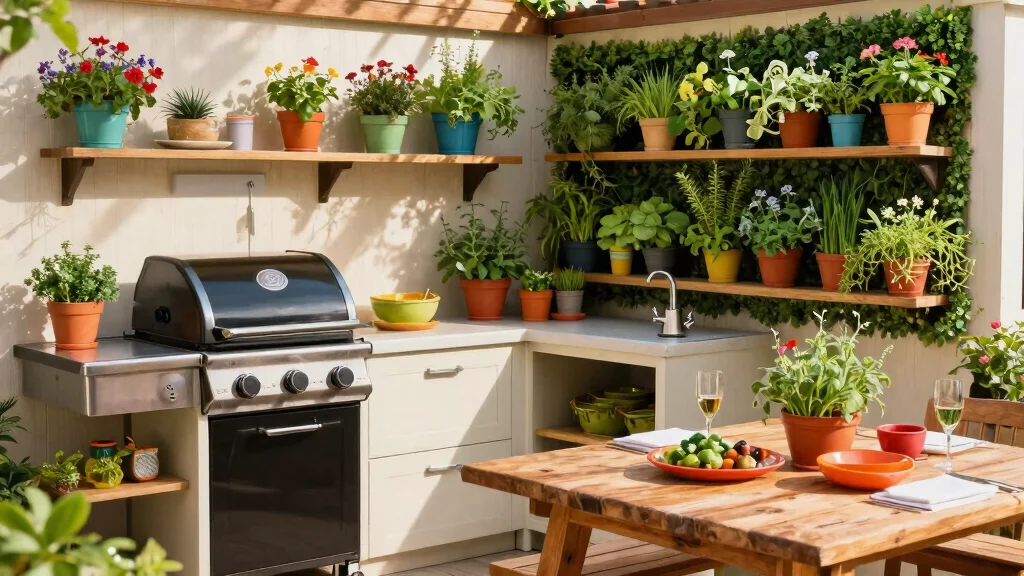
Creating a small outdoor kitchen is a brilliant way to expand your cooking space without overwhelming your backyard. If you’ve been dreaming of grilling under the stars or preparing meals alfresco, you’re in the right place. This post was crafted to inspire you with creative and functional ideas to make the most of your limited outdoor area, transforming it into a space you can enjoy with family and friends.
Whether you’re a garden enthusiast, a cooking aficionado, or just someone looking to optimize your backyard, these small outdoor kitchen ideas cater to your needs. If you care about stylish yet practical solutions that enhance your outdoor experience, you will find plenty of inspiration here. From vertical cooking stations to foldable islands, I’ve gathered 15 clever designs that are stylish, space-efficient, and perfect for your backyard cooking setup.
In this guide, you’ll discover how to double your cooking space without sacrificing style or functionality. Each idea offers practical tips and designs that will help you make the most of your small outdoor kitchen. Whether you want to create a cozy atmosphere or simply need compact cooking solutions, this post will provide the insights you need to elevate your outdoor space.
Key Takeaways
– Explore 15 innovative small outdoor kitchen ideas that maximize your cooking area while keeping your backyard stylish and functional.
– Discover the benefits of vertical storage solutions to organize utensils and ingredients without taking up precious space.
– Get inspired by multi-functional furniture options that allow you to enjoy cooking and dining in one cohesive design.
– Learn how to integrate a mini fridge and portable fire pit into your setup for convenience and versatility while entertaining outdoors.
– Find out practical tips for using vertical planters that not only beautify your kitchen but also provide fresh herbs at your fingertips.
1. Vertical Herb Garden Kitchen
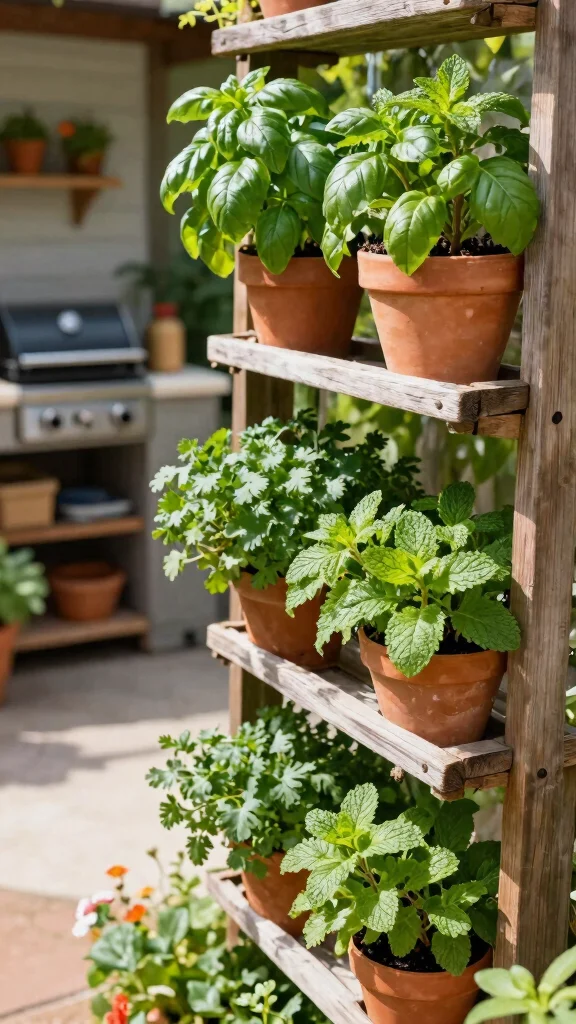
Are you dreaming of a way to elevate your outdoor cooking experience? A vertical herb garden is the perfect solution for adding fresh flavors right at your fingertips. Imagine snipping basil, cilantro, or mint as you prepare your favorite dishes, all while enjoying the beauty of nature. This design not only saves space but brings a delightful aroma to your kitchen. Plus, growing your own herbs means you know exactly how fresh they are!
Ingredients:
– Wooden shelves or a wall-mounted planter
– Soil suitable for herbs
– Seeds or seedlings of basil, cilantro, mint, and other herbs
– Drip irrigation system (optional)
Instructions:
1. Select a sunny location and mount your shelves or planter on the wall.
2. Fill the containers with quality soil.
3. Plant your chosen herbs, spacing them according to their needs.
4. Set up a drip irrigation system if desired, ensuring the plants receive adequate moisture.
5. Regularly trim and harvest herbs as they grow.
FAQs:
– Can I use store-bought herbs? Yes, you can transplant them into your vertical garden.
– Can I grow herbs indoors? Absolutely! Just ensure they receive enough sunlight.
2. Compact Pizza Oven Setup
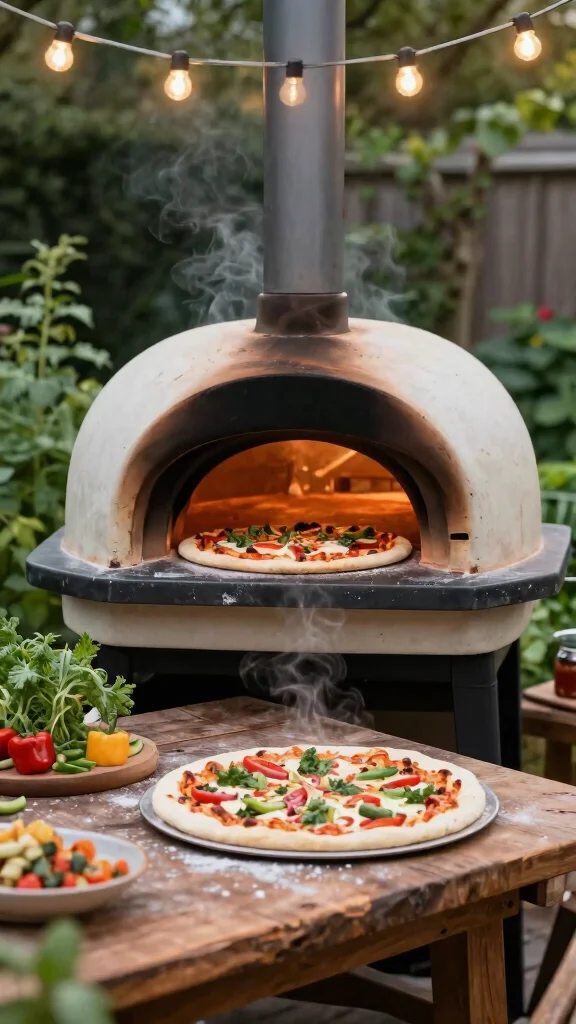
Craving a slice of homemade pizza? A compact pizza oven is your ticket to delicious pies right in your backyard. With options designed for small spaces, you can create bubbly, cheesy masterpieces that will impress everyone. Set up your oven on a sturdy table and keep fresh dough and toppings nearby for easy access.
Ingredients:
– Compact pizza oven
– Pizza stone or peel
– Pizza dough (store-bought or homemade)
– Tomato sauce
– Cheese (mozzarella or your favorite)
– Assorted toppings (vegetables, meats, herbs)
Instructions:
1. Preheat your pizza oven according to manufacturer instructions.
2. Roll out the pizza dough on a floured surface.
3. Spread tomato sauce evenly and sprinkle cheese on top.
4. Add your choice of toppings generously.
5. Use the peel to transfer the pizza to the oven.
6. Bake for 8-10 minutes or until the crust is golden.
7. Slice and enjoy!
FAQs:
– Can I use a regular oven? Yes, but the flavor and texture will differ.
– Can I make gluten-free pizza? Absolutely, just use gluten-free dough!
3. Multi-Functional BBQ Cart
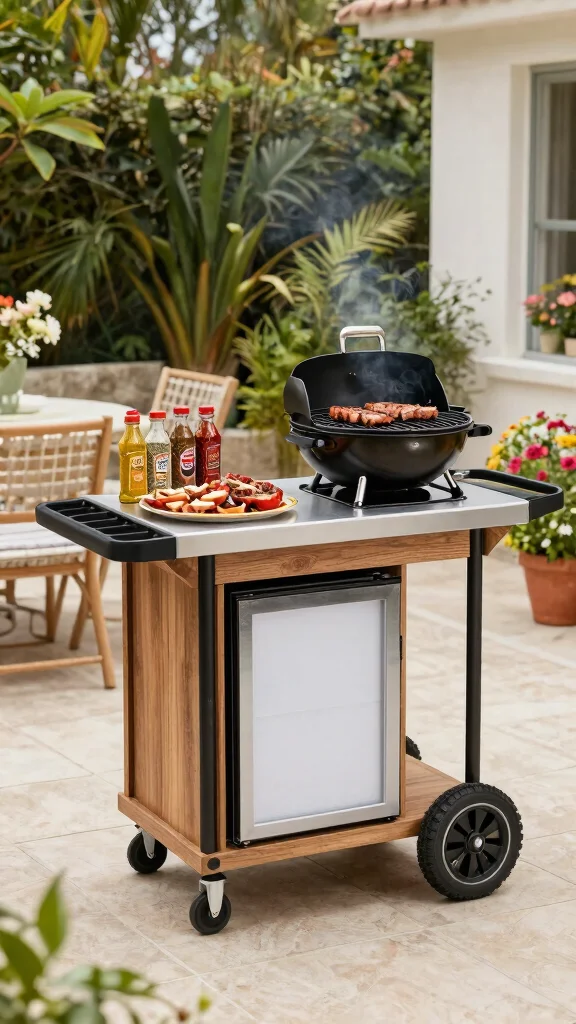
Do you want a grilling station that’s both stylish and practical? A multi-functional BBQ cart is your answer! This clever setup offers space for utensils, spices, and even drinks, keeping everything you need within arm’s reach. It’s perfect for maximizing your outdoor cooking experience without cluttering your space.
Ingredients:
– BBQ cart with storage
– Utensils (tongs, spatula, grill brush)
– Spice containers
– Mini fridge (optional)
Instructions:
1. Choose a BBQ cart that fits your space and style.
2. Organize your utensils and spices in the designated storage areas.
3. If using a mini fridge, position it for easy access.
4. Keep your cart clean and organized for seamless cooking.
5. Enjoy grilling while everything is conveniently nearby!
FAQs:
– Can I use a regular cart? Yes, but a BBQ-specific cart is designed for heat and spills.
– Can I customize my cart? Definitely! Add personal touches with paint or decor.
❝ Fun fact: a well-designed, multi-functional BBQ cart can double your usable prep space. With shelves for utensils, spices, and even a mini fridge, you keep everything within arm’s reach, turning small outdoor kitchen ideas into practical, stylish reality. ❞
4. Foldable Outdoor Kitchen Island
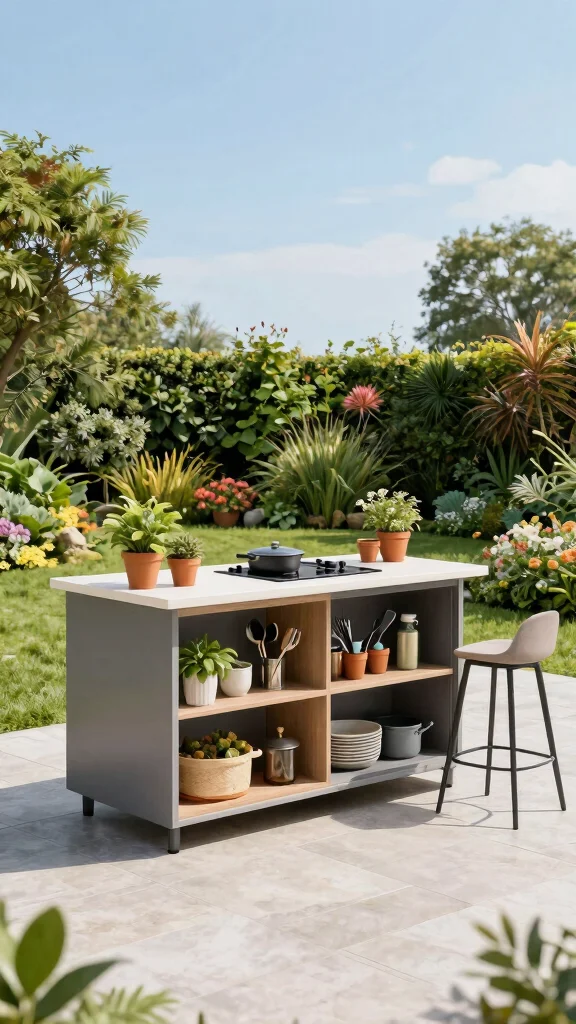
Looking for a way to expand your cooking area without sacrificing space? A foldable outdoor kitchen island is the perfect solution! This versatile piece offers ample prep space that can be tucked away when not in use, keeping your yard neat. Choose materials that withstand the elements for long-lasting durability.
Ingredients:
– Foldable kitchen island
– Storage bins for utensils
– Bar stools (optional)
Instructions:
1. Set up your foldable island in a convenient location.
2. Organize utensils and cooking gear in the built-in storage.
3. Add bar stools for casual dining if desired.
4. Fold away the island when not in use to save space.
FAQs:
– Can I make my own island? Yes, DIY options can be fun and customizable.
– Is it sturdy enough for heavy items? Ensure to choose a robust design for stability.
5. Vertical Cooking Station
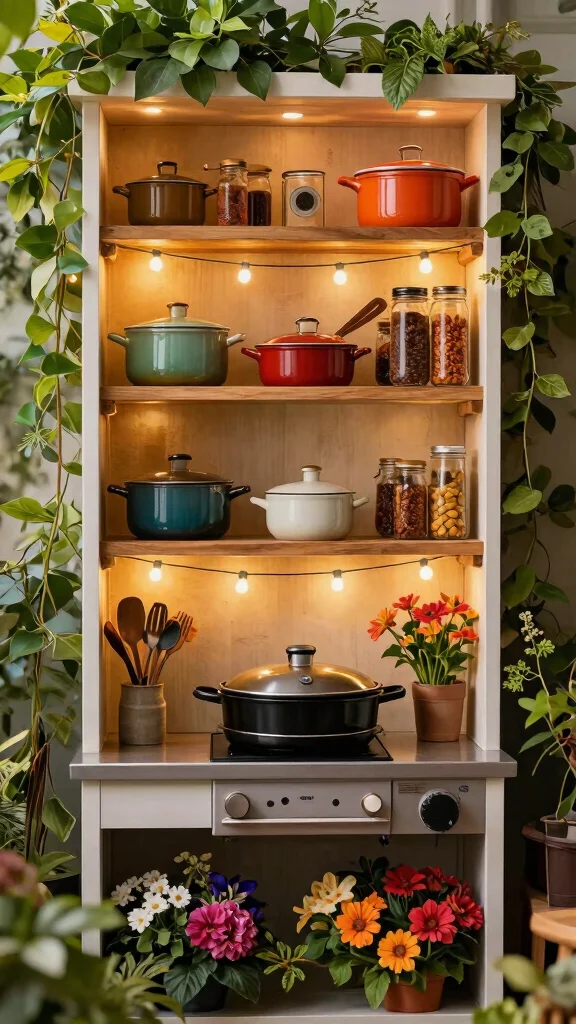
Are you struggling to keep your cooking area organized? A vertical cooking station can transform your outdoor space into a neat and efficient kitchen. By utilizing wall-mounted shelves and hooks, you can keep pots, pans, and utensils easily accessible. This setup not only maximizes space but also enhances your cooking experience.
Ingredients:
– Wall-mounted shelves
– Hooks for utensils
– Tiered stands for spices
Instructions:
1. Install shelves and hooks at a comfortable height.
2. Arrange pots and pans on the shelves.
3. Use tiered stands for easy access to spices and oils.
4. Keep the area tidy by regularly organizing your tools.
FAQs:
– Can I customize the colors? Yes, paint or stain to match your style.
– Is it easy to set up? Yes! Just follow the installation instructions carefully.
6. Space-Saving Storage Solutions
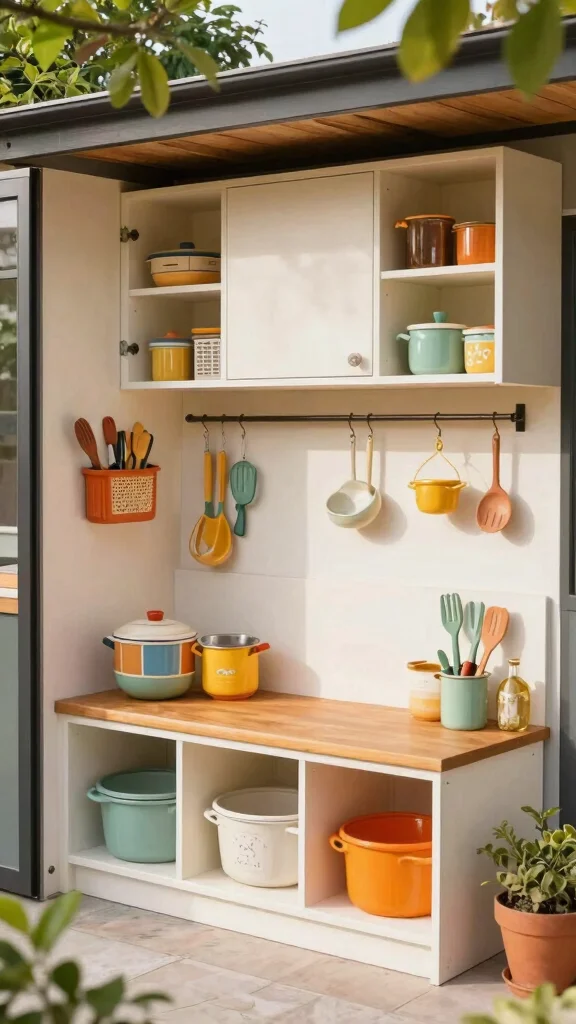
Do you find it challenging to keep a small outdoor kitchen organized? Space-saving storage solutions can help you maximize your area without sacrificing style. Consider using benches that double as storage or hanging baskets to keep essentials close at hand. This approach creates a clean and efficient workspace.
Ingredients:
– Storage benches
– Hanging baskets
– Overhead cabinets (if space permits)
Instructions:
1. Choose benches that open for hidden storage.
2. Install hanging baskets for quick access to tools.
3. Use overhead cabinets for items you don’t use daily.
4. Regularly declutter to maintain an organized space.
FAQs:
– Can I use any furniture for storage? Look for items specifically designed for outdoor use.
– Can I build my own storage solutions? Absolutely! DIY can be tailored to your needs.
7. Mini Fridge Integration
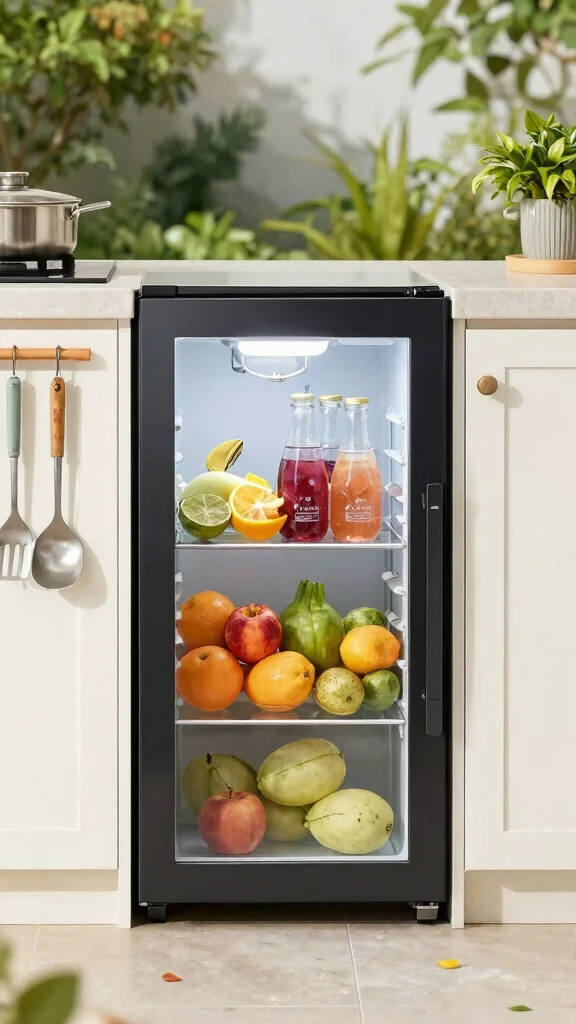
Want to keep your beverages and ingredients chilled while you cook? Integrating a mini fridge into your outdoor kitchen is a fantastic way to ensure everything is within reach. Place it near your prep area for easy access to cold drinks and fresh produce. Choose a model that fits your aesthetic for seamless integration.
Ingredients:
– Mini fridge
– Baskets for organization
– Seasonal ingredients (fruits, salads)
Instructions:
1. Position your mini fridge in a convenient location.
2. Organize essentials using baskets to keep everything tidy.
3. Pre-stock with your favorite summer foods and drinks.
4. Ensure it’s plugged in and functioning before cooking.
FAQs:
– Can I use a regular fridge? A mini fridge is more suited for outdoor use due to size and efficiency.
– Is a solar-powered option worth it? Yes, it’s eco-friendly and can save on electricity costs.
8. Portable Fire Pit Cooking
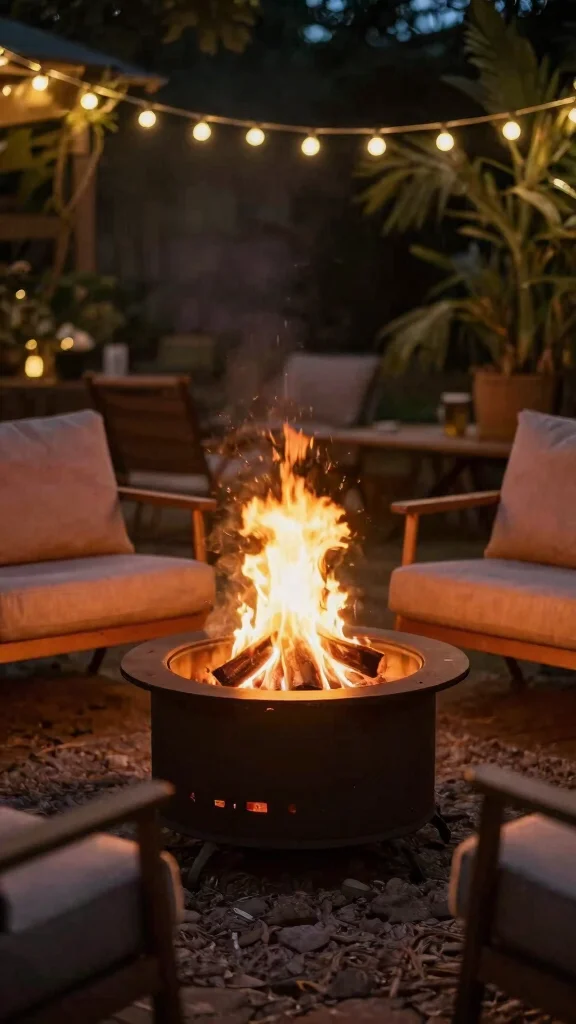
Want to add warmth and charm to your outdoor kitchen? A portable fire pit serves as both a cooking source and a cozy gathering space. You can grill delicious meals, roast marshmallows, or simply enjoy the crackling fire with friends and family. This dual-purpose feature can make your backyard the go-to spot for gatherings.
Ingredients:
– Portable fire pit
– Grill grate (if not included)
– Firewood or charcoal
Instructions:
1. Set up your fire pit on a flat, stable surface away from flammable items.
2. If using a grill grate, place it securely over the pit.
3. Light the fire and allow it to burn down to coals for cooking.
4. Enjoy grilling or roasting while everyone gathers around.
FAQs:
– Can I use it on a deck? Ensure proper clearance and follow safety guidelines.
– Is it safe to cook over an open flame? Yes, as long as you observe safety precautions and keep a fire extinguisher nearby.
Fun fact: Small outdoor kitchen ideas spotlight a portable fire pit that can cut setup time to under 10 minutes, turning your space into a cozy cooking and gathering hub. Keep a grill grate handy and you’re ready to sear, roast, or toast marshmallows.
Dimensions & Size Guide
Standard Sizes & Measurements:
When planning a small outdoor kitchen, understanding the dimensions is crucial. Here are some common sizes that can help you design your backyard cooking space effectively.
– Outdoor Kitchen Islands: Standard dimensions range from 6 to 8 feet in length and 2 to 3 feet in depth. For a comfortable fit, ensure at least 36 inches of clearance on all sides.
– Compact Grills: Many compact grills fit well in small spaces, typically measuring between 24 and 30 inches wide. Ensure your setup allows for a minimum of 12 inches of space behind the grill for safety and ventilation.
– Mini Fridges: Look for outdoor-rated mini fridges that are usually around 3 to 5 cubic feet. For optimal airflow, allow at least 1 inch of space on all sides.
– Foldable Tables: A foldable table typically requires a space of 5 to 6 feet in length when open. When closed, it can often be as small as 2 feet. Make sure to allow for easy folding and unfolding.
– Vertical Garden Planters: Vertical gardening structures can vary, but a typical wall-mounted planter is about 2 feet wide. Ensure you have at least 6 feet of vertical clearance for growth.
Quick Reference Table:
| Size/Dimension | Best for: | Minimum space needed: |
|——————————|————————-|———————————–|
| 6-8 ft (Island) | Prep & cooking | 36 inches clearance all sides |
| 24-30 in (Grill) | Grilling | 12 inches behind |
| 3-5 cu ft (Fridge) | Cooling beverages | 1 inch clearance all sides |
| 5-6 ft (Foldable Table) | Dining area | Space for folding |
| 2 ft (Vertical Planter) | Herb gardening | 6 ft vertical clearance |
Space Planning Tips:
1. Measure Twice: Always measure your available space before purchasing any equipment. This minimizes the chance of a poor fit. ✔
2. Allow for Movement: Ensure there’s enough space to move around comfortably. A minimum of 36 inches between cooking zones is ideal for safety and access.
3. Consider Utility Connections: If you plan to use gas or electricity, factor in the placement of outlets and connections when measuring space. This can prevent costly adjustments later.
4. Avoid Clutter: Keep in mind that too many items can make your kitchen feel cramped. Stick to essentials and think about vertical storage options. 🚀
5. Plan for Weather: If you’re in a windy area, consider placing your cooking station in a sheltered spot. It helps maintain the cooking experience and ensures safety.
Pro Tip: The most important measurement to consider is the clearance around your grill and cooking area. Always aim for at least 36 inches of space around these zones to ensure safety and ease of movement. Proper spacing can make a small outdoor kitchen feel spacious and enjoyable! 💡
9. Vertical Planter Grill Station
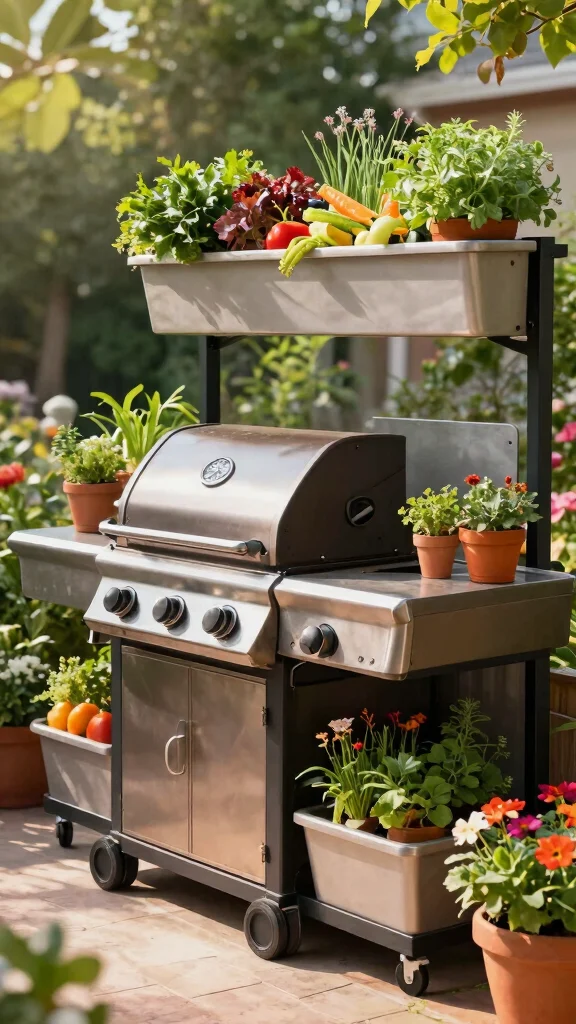
Do you want a grill station that’s not only functional but also beautiful? Transform your grilling area into a vertical planter where you can grow fresh veggies and herbs right at your fingertips. This setup not only looks fantastic but ensures you have fresh ingredients just steps away from the grill.
Ingredients:
– Vertical planters
– Soil suitable for vegetables and herbs
– Seeds or seedlings
Instructions:
1. Select a sunny location for your vertical planters.
2. Fill with quality soil and plant your seeds or seedlings.
3. Position the planters near your grill for easy access.
4. Water regularly and enjoy harvesting fresh ingredients!
FAQs:
– Can I use my own containers? Yes, just ensure they have proper drainage.
– Are there specific plants I should choose? Opt for herbs and vegetables that thrive in your climate.
10. Under-Deck Cooking Area
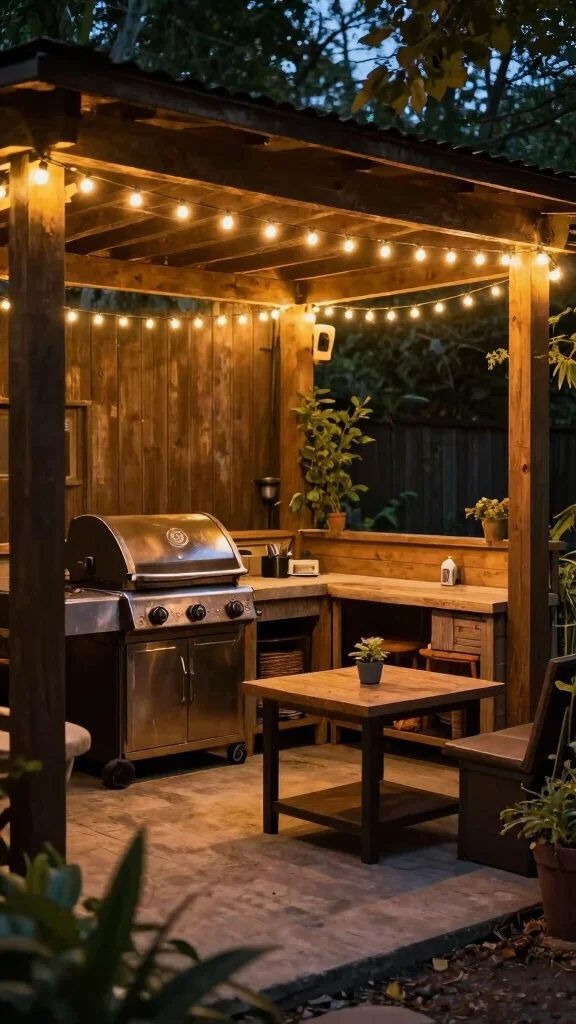
Are you overlooking the potential space beneath your deck? Transform this often-neglected area into a charming outdoor cooking spot! With the right setup, you can create a hidden oasis that’s both functional and appealing. Install a compact grill and a small prep area to maximize the use of this unique space.
Ingredients:
– Compact grill
– Prep table
– Storage solutions (shelves or bins)
Instructions:
1. Clear and clean the under-deck area.
2. Set up your grill and prep table safely.
3. Organize storage solutions for utensils and supplies.
4. Ensure proper ventilation for safety.
FAQs:
– Can I use a regular grill? Make sure it’s designed for outdoor use in enclosed spaces.
– How do I handle moisture? Consider waterproof storage solutions and proper drainage.
Did you know for small outdoor kitchen ideas, under-deck spaces can add 60–80 sq ft of usable area with smart storage and a compact grill? Transform this overlooked nook into a cozy, functional cooking zone.
11. Reclaimed Wood Outdoor Kitchen
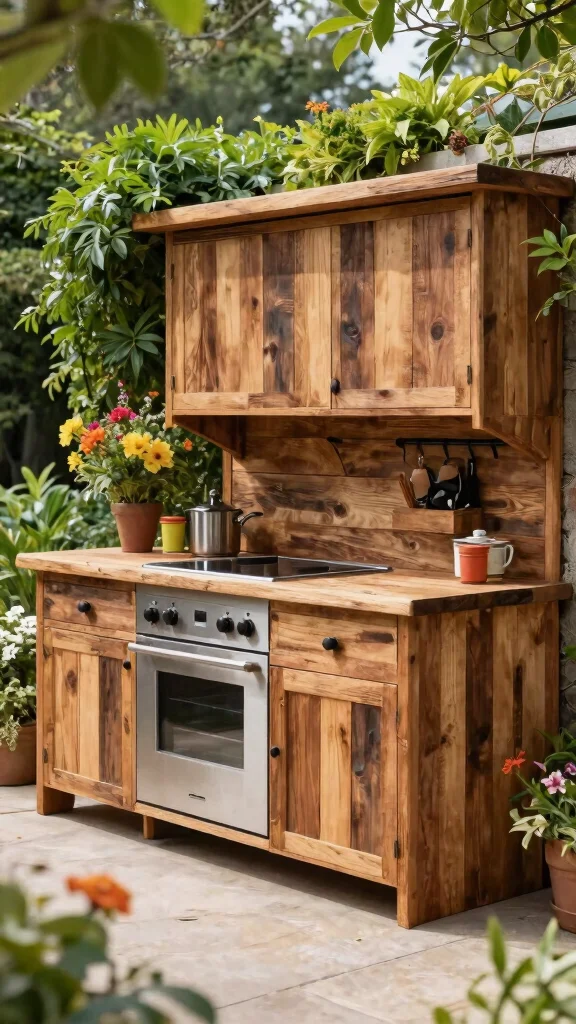
Want to add a touch of rustic charm to your outdoor kitchen? Using reclaimed wood not only adds character but is also eco-friendly. This natural material can be incorporated into countertops, cabinetry, or even the kitchen structure, creating a lovely contrast with modern appliances.
Ingredients:
– Reclaimed wood for surfaces
– Sealer for protection
– Metal or stone accents
Instructions:
1. Source quality reclaimed wood for your project.
2. Seal the wood properly to protect it from the elements.
3. Mix in metal or stone features for a unique look.
4. Design the layout to fit your outdoor space harmoniously.
FAQs:
– Is reclaimed wood durable? Yes, especially when properly treated.
– Can I mix materials? Absolutely! Combining different textures creates a stunning effect.
12. Outdoor Dining Bar with Grill
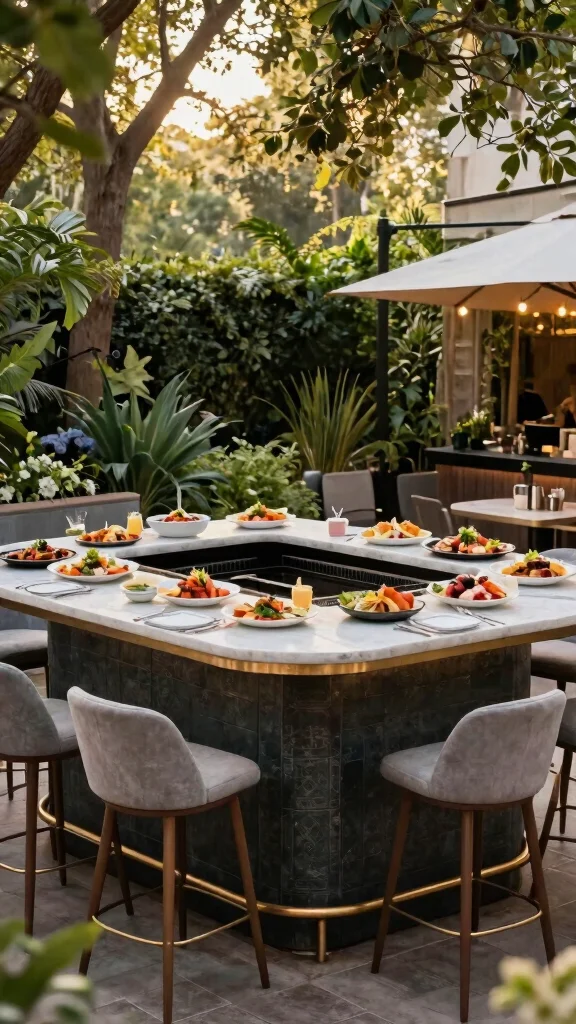
Looking to create a lively atmosphere for your outdoor gatherings? Pair your outdoor kitchen with a dining bar that integrates a grill. This design blurs the line between cooking and dining, allowing you to interact with guests while preparing meals. Opt for a high countertop to encourage conversation and include seating options for a complete experience.
Ingredients:
– Outdoor bar with grill
– Durable bar stools
– Shade options (umbrellas, pergolas)
Instructions:
1. Set up the bar in a central location.
2. Install your integrated grill and ensure safety measures are followed.
3. Add bar stools for seating and comfort.
4. Personalize with decor that reflects your style.
FAQs:
– Can I use regular stools? Choose weather-resistant materials for durability.
– Is a shade essential? Yes, it helps keep your area comfortable during sunny days.
13. Wall-Mounted Cooking Tools Rack
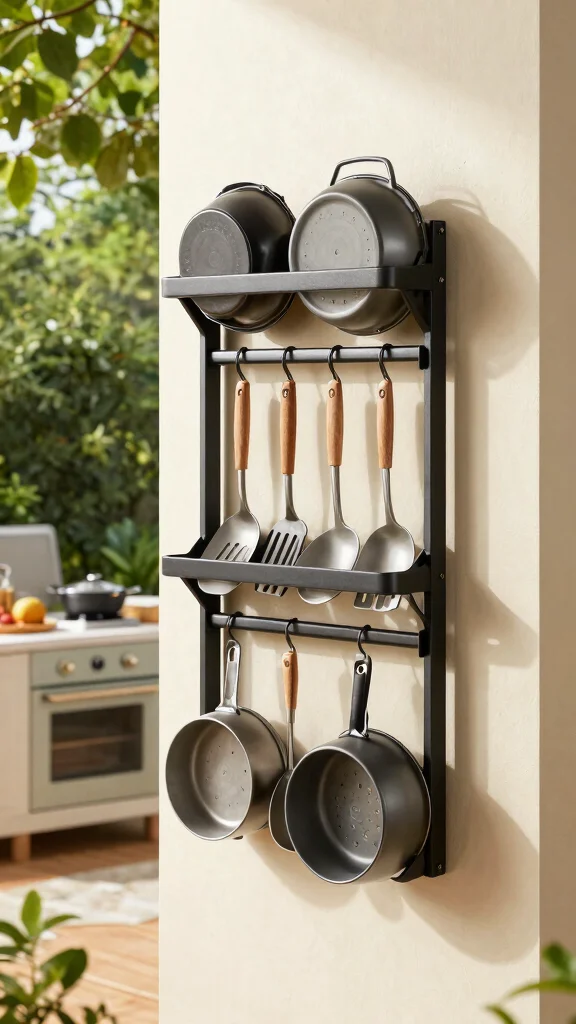
Struggling with clutter in your outdoor cooking area? A wall-mounted tools rack is the perfect solution for keeping your utensils organized and within reach. This space-saving design not only adds functionality but also complements your kitchen’s aesthetic. Choosing a rack that matches your style can inspire creativity in your cooking.
Ingredients:
– Wall-mounted rack
– Hooks for utensils
– Small shelves for spices
Instructions:
1. Install the rack at a comfortable height for easy access.
2. Hang utensils and pots using hooks.
3. Use shelves for storing spices and oils.
4. Regularly tidy the rack to maintain organization.
FAQs:
– Can I customize my rack? Yes, feel free to paint or adjust it to fit your theme!
– Is it sturdy enough? Choose a robust design to hold your tools securely.
14. Convertible Outdoor Furniture
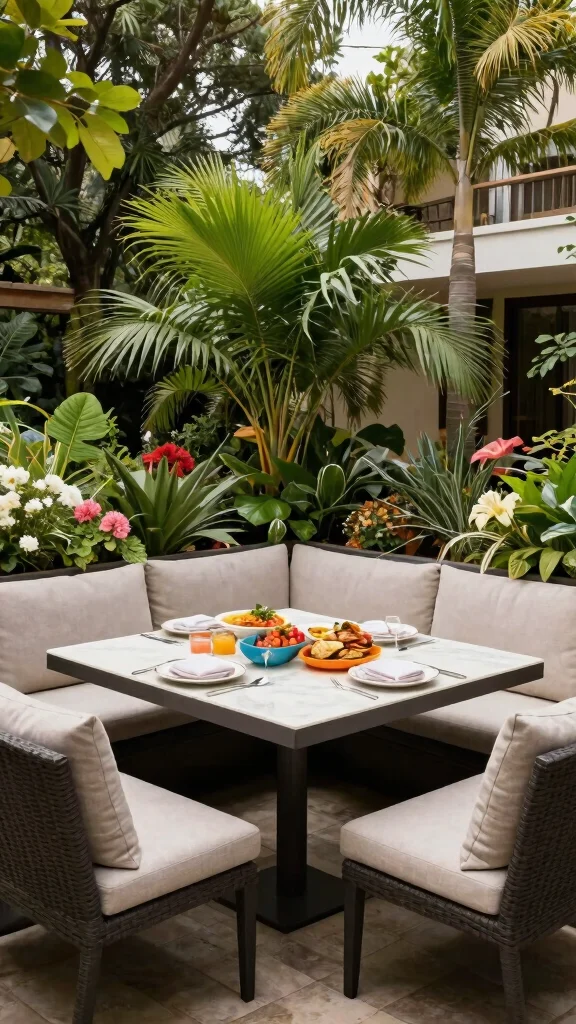
Want flexibility in your outdoor space? Convertible furniture is perfect for adapting your area for cooking or dining as needed. This versatility is ideal for smaller spaces, allowing you to switch seamlessly between a cooking area and a dining space. Look for tables that expand or benches that double as storage for a clutter-free experience.
Ingredients:
– Convertible tables and benches
– Durable materials
– Cushions for extra comfort
Instructions:
1. Choose convertible furniture that fits your outdoor theme.
2. Ensure the materials are weather-resistant for longevity.
3. Incorporate cushions for added comfort.
4. Keep the design cohesive with your overall outdoor decor.
FAQs:
– Can I use regular furniture? Look for items specifically designed for outdoor use.
– Is it easy to convert? Most convertible designs are user-friendly and quick to adjust.
15. Outdoor Kitchen with Built-In Planters
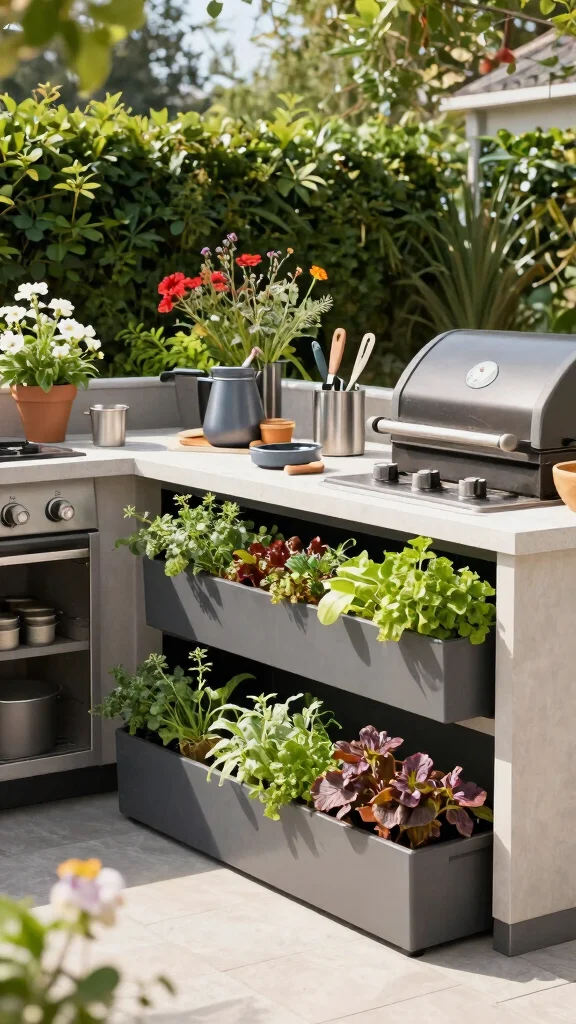
Imagine blending cooking and gardening seamlessly in your outdoor kitchen. Integrating built-in planters not only enhances aesthetics but allows you to grow fresh herbs and vegetables right alongside your cooking space. This design not only beautifies your kitchen but also ensures you have fresh ingredients at your disposal.
Ingredients:
– Built-in planters
– Soil for planting
– Seeds or seedlings (herbs and vegetables)
Instructions:
1. Design planters that complement your kitchen layout.
2. Fill them with quality soil and plant herbs or vegetables.
3. Ensure your planters receive adequate sunlight.
4. Incorporate a drip irrigation system for easy maintenance.
FAQs:
– Can I use any plants? Choose herbs and veggies that pair well together.
– Are built-in planters hard to maintain? With proper care, they can be quite easy to manage!
Conclusion
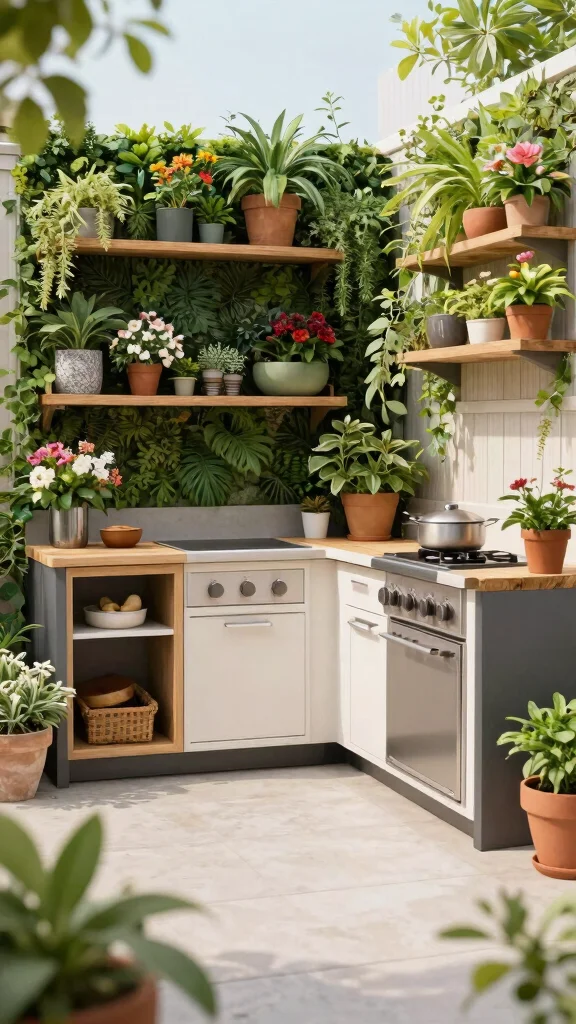
Your outdoor kitchen can be a beautiful and functional space, no matter its size.
Embracing creative solutions like vertical gardening, compact furniture, and multifunctional areas will enhance your cooking experience while adding charm to your backyard.
Explore these ideas and transform your outdoor cooking space into a delightful haven where flavor and nature come together!
Note: We aim to provide accurate product links, but some may occasionally expire or become unavailable. If this happens, please search directly on Amazon for the product or a suitable alternative.
This post contains Amazon affiliate links, meaning we may earn a small commission if you purchase through our links, at no extra cost to you.
Frequently Asked Questions
What are the most effective small outdoor kitchen ideas to double cooking space in a tight garden?
Discover how to maximize every inch with small outdoor kitchen ideas that save space and boost function. Start with vertical storage like wall-mounted shelves and a hanging pot rack to free counter space. Add a fold-down prep surface that tucks away when not in use, and choose a slim modular grill island that can hold a grill, sink, and extra storage. A vertical herb wall or trellis planter keeps fresh ingredients within arm’s reach. Remember the outdoor kitchen design rule of keeping the work triangle tight and efficient. Finish with weatherproof materials (stainless steel, powder-coated aluminum, dense stone) so your space stays durable year-round.
These practical steps come from space-saving kitchen tips for backyard cooking spaces and will help you double your usable cooking area in a compact garden.
How can I design a vertical outdoor kitchen to save space in a small garden?
Think up, not out. For a practical vertical outdoor kitchen, install wall-mounted shelves, pegboards for utensils, magnetic strips for knives, and rail systems for pots. Grow a vertical herb wall to add fresh flavors without occupying counter space. Choose a slim push-to-open cabinet and a fold-down prep counter that attaches to the wall. Use weatherproof materials and integrated lighting to extend usability into evenings. This approach aligns with smart outdoor kitchen design and compact cooking solutions for small garden kitchens, helping you maximize a narrow footprint.
What compact cooking solutions should I consider for a backyard cooking space?
Look for compact cooking solutions that fit your footprint: a combo grill-burner unit, a portable island on wheels, a drop-leaf table for extra prep space, and a small fridge or cooler built into the counter. Add built-in trash/recycling, a compact sink, and weatherproof power outlets for appliances. Choose modules that can be rearranged for different gatherings, keeping your backyard cooking spaces flexible and functional.
What are space-saving kitchen tips to maximize usability in a small garden kitchen?
Plan zones in a simple line: prep, cook, and wash in a smooth flow to minimize steps. Keep the sink near the grill to streamline cleaning, hang tools on a wall rail, and use pull-out drawers for utensils. Install a fold-out counter or serving shelf to widen prep space when needed. Use proper ventilation and weatherproof lighting to keep the area comfortable. These strategies fit with space-saving kitchen tips for small garden kitchens and outdoor kitchen design.
How do I choose materials and maintain a small garden kitchen to withstand the weather?
Prioritize durable, low-maintenance materials like stainless steel, stone, and powder-coated aluminum. For surfaces, pick sealed wood or composite decking that resists moisture. Use weatherproof finishes on cabinets and countertops, and add covers to protect during rain. Create a simple cleaning schedule and perform seasonal checks on seals, fasteners, and drainage. With the right care, your small garden kitchens stay beautiful and functional throughout the year.
Related Topics
small outdoor kitchen ideas
compact cooking solutions
backyard cooking spaces
outdoor kitchen design
space-saving kitchen tips
vertical garden kitchens
DIY outdoor kitchens
easy outdoor cooking
minimalist outdoor design
seasonal cooking
small space gardening
beginner friendly