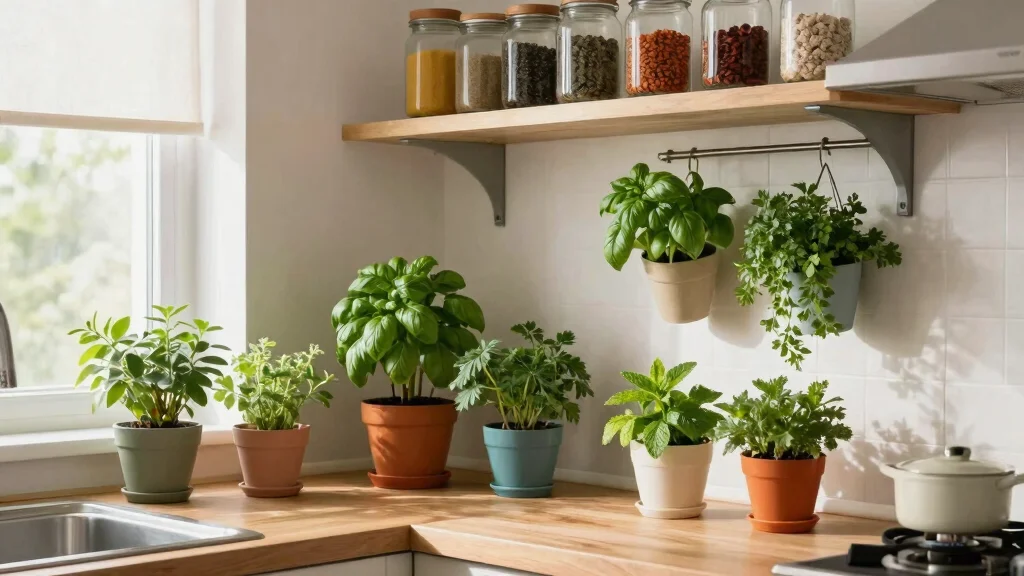
Creating a kitchen herb garden has never been more appealing. If you’re like me, fresh herbs are essential for cooking. The smell of basil, the zing of cilantro, or the earthy aroma of rosemary can truly elevate any dish. It’s satisfying to snip off a few leaves right from your own garden. That’s why I put together this guide on kitchen garden ideas to help you achieve that fresh herb experience right at home.
This post is for anyone who wants to bring a bit of greenery into their kitchen, whether you live in a spacious house or a cozy apartment. If you’re a foodie, a cooking enthusiast, or just someone craving a touch of nature, these ideas will inspire you. You’ll find creative solutions for vertical gardens, containers, and even hydroponic systems, all tailored for small spaces.
You’ll walk away with twelve practical ideas for growing your own herbs. Each suggestion is designed to maximize your space and bring you fresh flavors, plus insights into techniques like container gardening and seasonal planting strategies. Let’s dig into these fun ways to turn your kitchen into a herb haven!
Key Takeaways
– Discover 12 creative kitchen garden ideas that fit any space, from vertical wall planters to hydroponic systems, ensuring fresh herbs at your fingertips.
– Learn container gardening techniques that make it easy to grow herbs in small spaces, perfect for urban gardening solutions.
– Explore seasonal planting strategies to keep your herb garden thriving year-round, maximizing your fresh herb yield.
– Get practical herb garden tips that cover everything from watering schedules to sunlight needs, essential for healthy growth.
– Understand how organic gardening practices can enhance the flavor of your herbs, ensuring they are not only fresh but also chemical-free.
1. Vertical Wall Planters
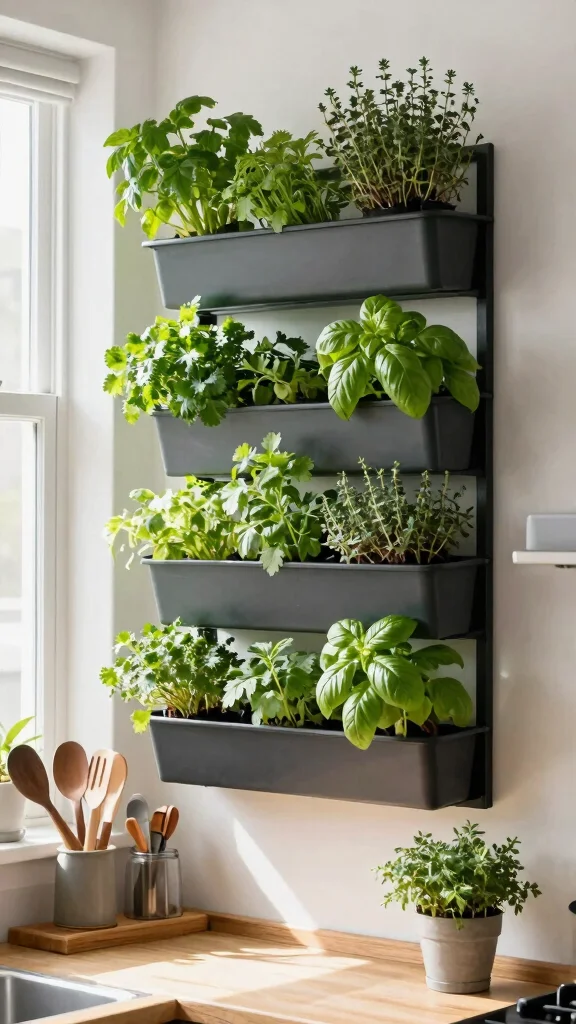
Are you looking to maximize your kitchen space while growing fresh herbs? Vertical wall planters are the perfect solution. They turn your bare walls into a vibrant tapestry of greenery, allowing you to cultivate herbs like mint, cilantro, and chives right at your fingertips. Plus, they make harvesting as simple as snipping off a sprig when you need it!
These planters are not just practical; they also enhance your kitchen’s aesthetic. Imagine the rich greens contrasting against your wall, inviting a fresh and lively atmosphere.
Tips for Success:
– Ensure proper drainage to avoid water pooling.
– Use lightweight potting soil and consider adding a small pebbles layer at the bottom of each pocket.
– Rotate your herbs regularly to ensure even sunlight exposure.
By bringing in wall planters, you can enjoy a stylish yet functional urban gardening solution!
Fun fact: a single vertical wall planter can hold up to 12 herb pockets, turning a tight kitchen into a thriving kitchen garden ideas setup. Mint, cilantro, and chives are within reach at your fingertips, making harvesting as simple as a snip.
How To Choose the Right Vertical Herb Garden
When you’re planning your kitchen garden, selecting the right vertical herb garden can make all the difference. A vertical garden maximizes your space and allows for easy access to your fresh herbs. Here are some key points to consider when making your choice:
1. Size Matters
Consider the space you have available for your vertical herb garden. Measure the area where you plan to install it. Vertical gardens can range from small wall-mounted planters to larger structures that stand on their own. Make sure to choose a size that fits comfortably in your kitchen or outdoor space without overwhelming it.
2. Material Choices
Look for materials that are durable and suited for your environment. Common options include wood, metal, and plastic. Wood adds a natural look but may require more maintenance, while metal can last longer but may get hot in the sun. Consider how each material will hold up to the elements and your aesthetic preferences.
3. Planting Features
Different vertical gardens come with various planting features. Some have pockets or slots for small pots, while others may have built-in irrigation systems. Think about how you want to water your herbs and how easy it will be to maintain them. A garden with self-watering features can save you time and effort.
4. Style and Design
Choose a design that complements your kitchen or garden decor. Vertical herb gardens come in various styles, from rustic wooden frames to modern metal racks. Select one that reflects your personal taste and fits seamlessly into your space. A well-designed garden can serve as a beautiful focal point.
5. Budget Considerations
Determine how much you’re willing to spend on your vertical herb garden. Prices can vary widely, so it’s important to set a budget before shopping. Look for options that provide the best value, including materials, design, and any additional features. You don’t always have to choose the most expensive option to get quality.
6. Ease of Access
Ensure that your vertical herb garden is easy to reach for maintenance and harvesting. You want to be able to snip fresh herbs without straining or climbing. If you’re installing it at a height, make sure the lower pots are still accessible. This will encourage you to use your garden regularly.
Pro Tip: Before making a final decision, research online reviews and customer feedback. This will give you a clearer picture of the product’s performance and help you avoid potential pitfalls. Happy gardening!
2. Hanging Herb Garden
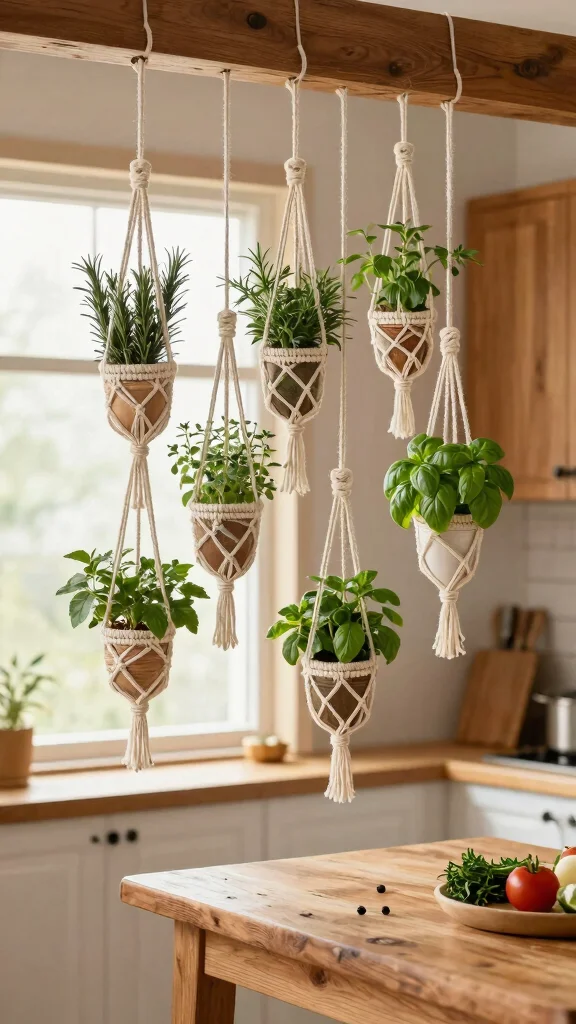
Feeling inspired to create an eye-catching herb display in your kitchen? A hanging herb garden can transform your space! Using macramé hangers or simple hooks, you can suspend pots of oregano, rosemary, and thyme from shelves or ceilings. This not only saves counter space but also adds a lively visual element.
Watching the herbs cascade down creates a lush atmosphere while making fresh herbs readily accessible for your cooking needs.
Tips for Success:
– Choose lightweight pots to avoid extra strain on hooks or hangers.
– Ensure your herbs get adequate sunlight by positioning them near a window.
– Consider using self-watering pots for low-maintenance care.
Hanging gardens can be a stunning conversation starter while providing easy access to fresh herbs.
Turning a small kitchen into a green haven is easier than you think—hang your herbs and watch oregano, thyme, and rosemary cascade from macramé planters. With a few hooks, you free counter space and keep fresh flavors close at hand. Try more kitchen garden ideas like this in your setup.
3. Tiered Trays for Herbs
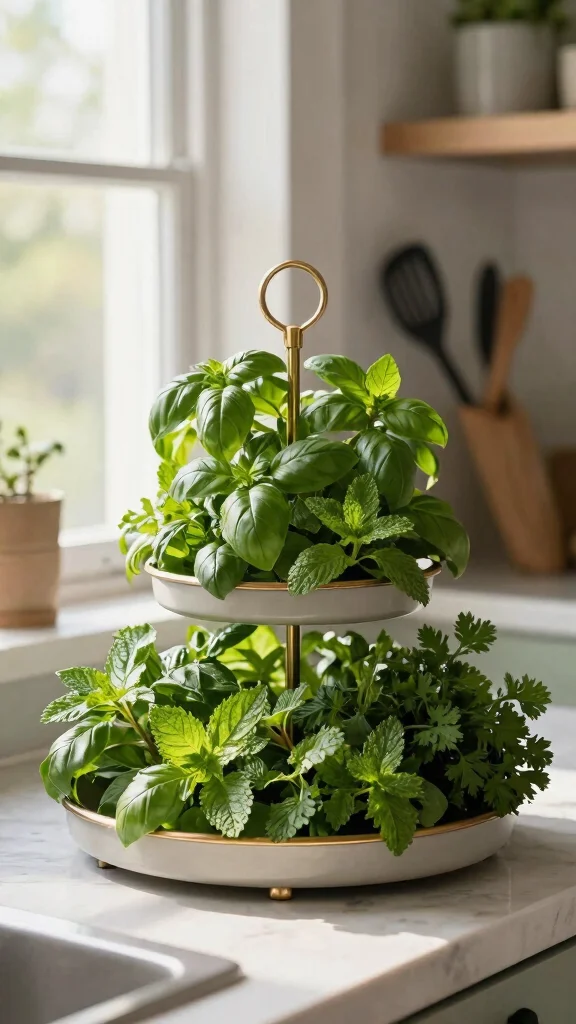
Do you want to make your herb collection shine? Tiered trays are a charming way to display your herbs compactly. These multi-level stands let you arrange fresh basil, mint, and chives beautifully, making them perfect for small kitchens.
With tiered trays, you can easily harvest your herbs all in one go, while the stylish design elevates your kitchen’s decor.
Tips for Success:
– Use trays with a solid base to prevent soil spilling.
– Position the tiers near a bright window to ensure your herbs get plenty of sunlight.
– Keep a small watering can handy to maintain moisture without making a mess.
Tiered herb trays not only provide accessibility but also enhance your kitchen’s aesthetic with their stylish presence.
4. Recycled Containers
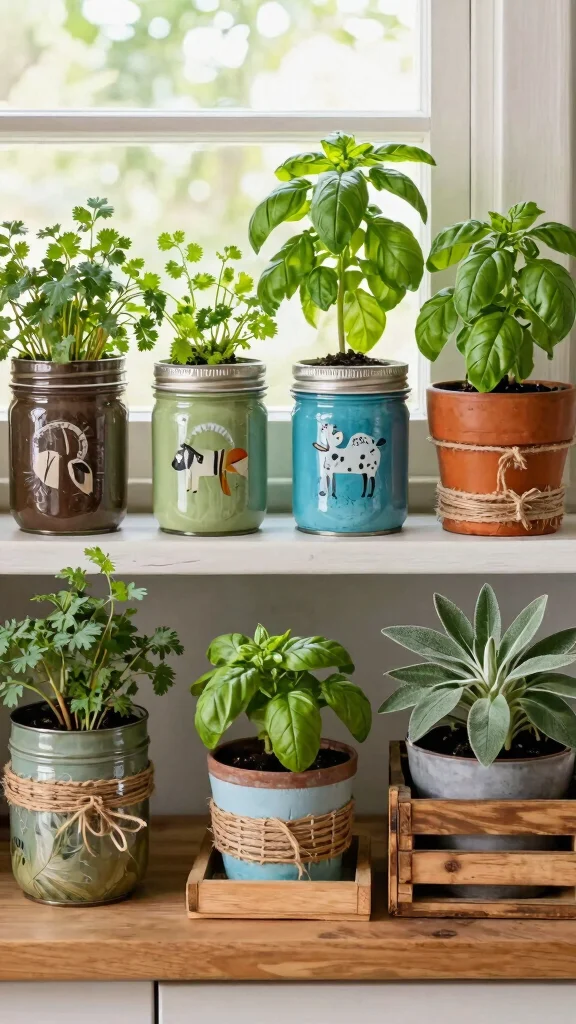
Ready to get creative with your herb pots? Upcycling recycled containers can add a unique flair to your herb garden! Old jars, tin cans, or wooden crates can become charming pots that showcase your personality while being eco-friendly.
Just remember to clean and drill holes for drainage to keep your herbs thriving. This sustainable method encourages creativity, allowing you to mix and match styles for a delightful display.
Tips for Success:
– Customize your containers with paint or labels to add a personal touch.
– Ensure good soil quality by using organic gardening practices.
– Group containers together for a whimsical look while making sure they each receive enough light.
Recycled containers offer an affordable and stylish approach to herb gardening that reflects your personal flair.
5. Kitchen Windowsill Garden
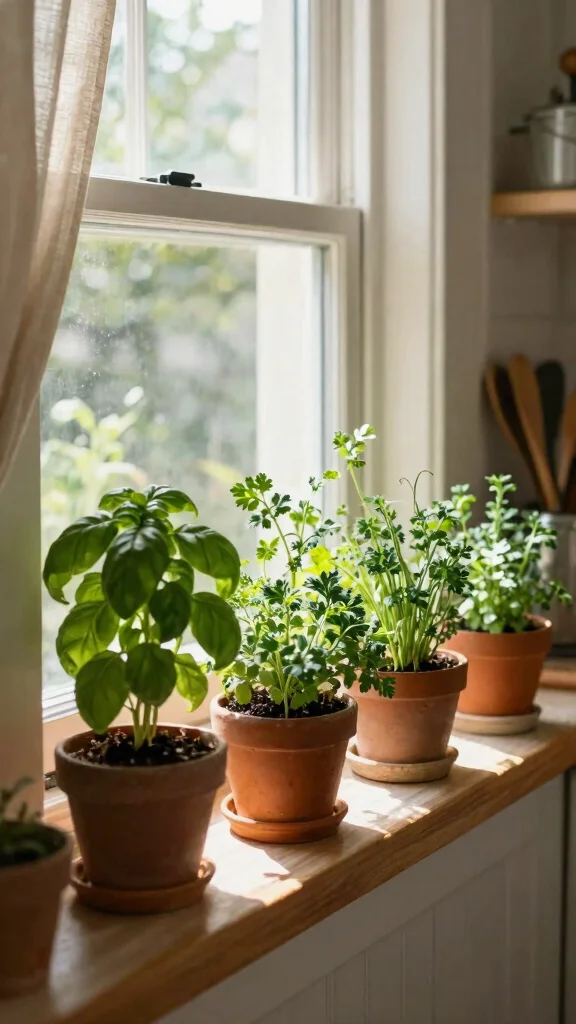
Do you have a sunny windowsill just waiting to be used? This spot is ideal for a small herb garden! Herbs like basil, parsley, and thyme flourish in bright, direct sunlight, making them perfect candidates for this space.
Using small pots or a long planter box, you can create a vibrant display that not only beautifies your kitchen but also inspires you to cook fresh meals daily.
Tips for Success:
– Rotate your pots regularly to ensure all herbs receive equal sunlight.
– Keep an eye on moisture; windowsill herbs can dry out more quickly.
– Use colorful pots to brighten up your kitchen decor.
A windowsill garden can enhance your kitchen’s charm while providing fresh flavors right when you need them.
6. Decorative Herb Jars
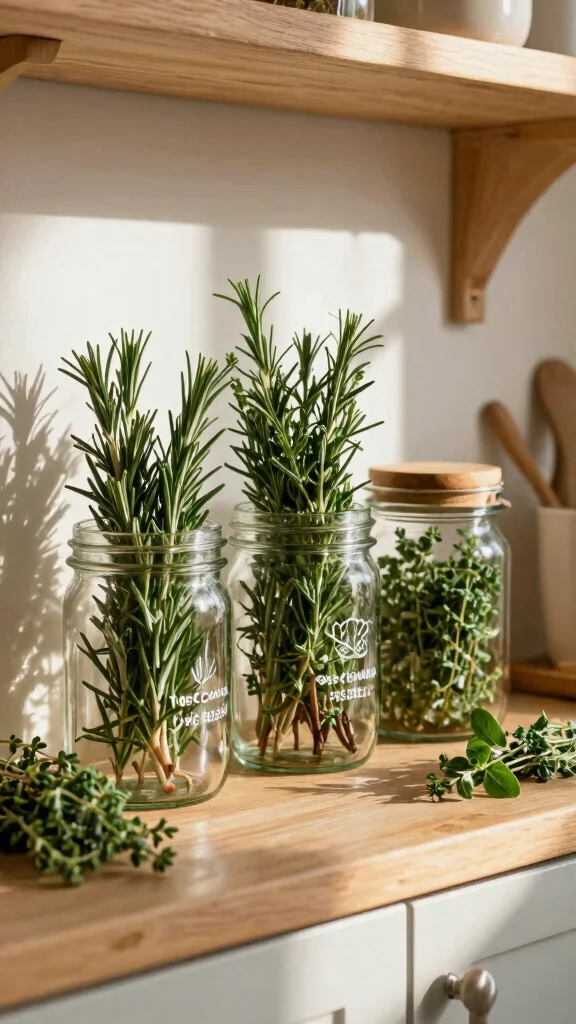
Want to make your herbs a focal point in the kitchen? Decorative herb jars can do just that! These glass containers not only serve as functional pots but also add a rustic charm to your space. Fill them with soil and plant your favorite herbs, then showcase them on open shelves or countertops.
Labeling each jar adds an organized touch, while the transparent glass lets you observe the roots and growth, making the gardening experience more engaging.
Tips for Success:
– Choose jars with wide openings for easy planting and maintenance.
– To ensure drainage, put a layer of gravel at the bottom before adding soil.
– Place the jars in areas that receive generous sunlight throughout the day.
Decorative jars not only provide functionality but also infuse your kitchen with personality and warmth.
7. Compact Herb Garden Kits
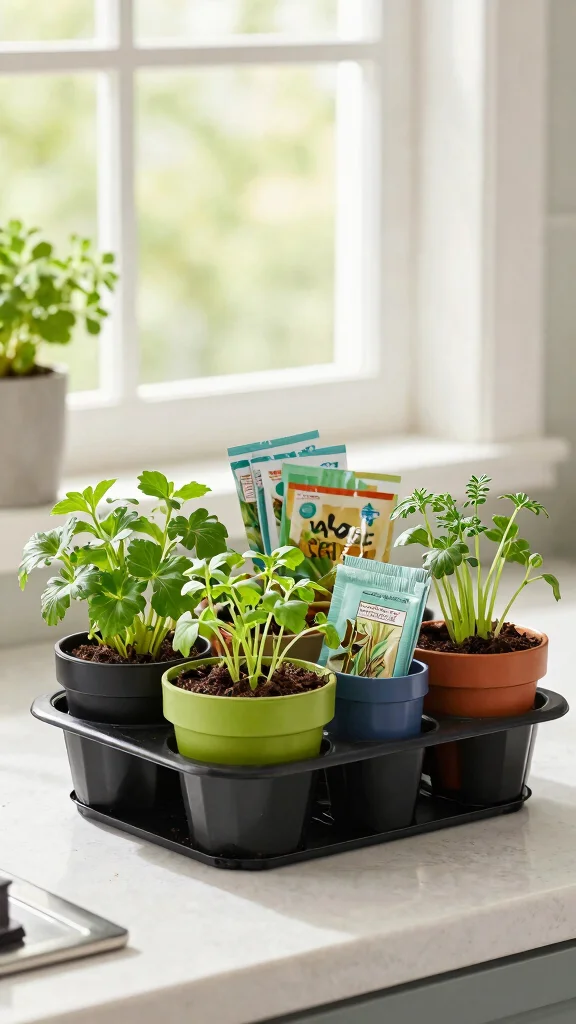
Thinking about starting your gardening journey? Compact herb garden kits are a fantastic choice for beginners! These kits come equipped with everything you need: seeds, pots, and soil, making it easy to get started, even in small spaces.
Whether you’re interested in Italian herbs or exotic varieties, kits allow you to enjoy the satisfaction of growing your own culinary herbs without feeling overwhelmed.
Tips for Success:
– Follow the instructions carefully to achieve the best results.
– Keep the kits in an area with plenty of natural light.
– Be patient; some herbs take longer to germinate than others!
These kits make gardening accessible and fun, especially for those busy lifestyles just beginning to explore the world of gardening.
8. Hydroponic Herb Garden
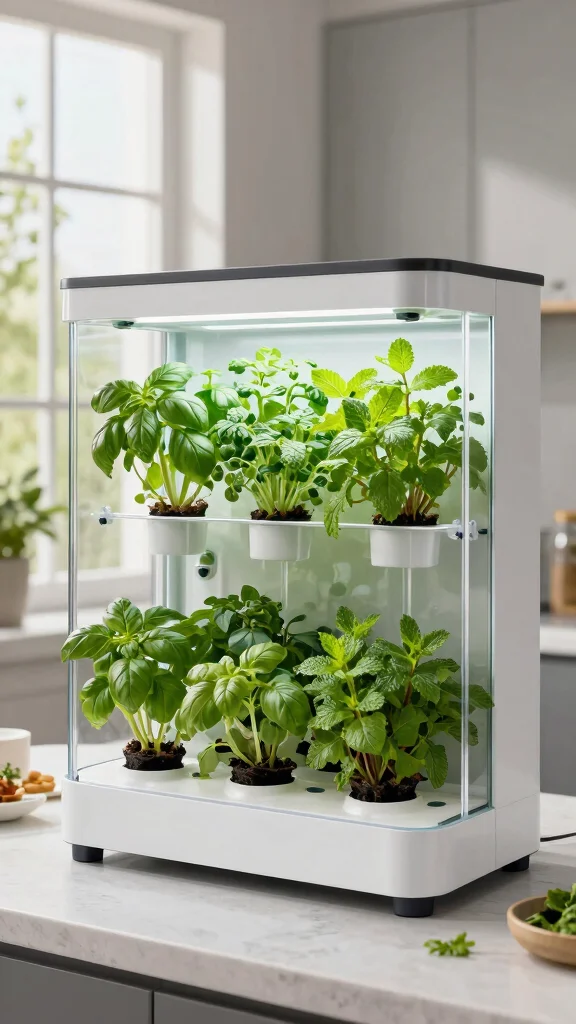
Are you ready to explore a modern approach to gardening? A hydroponic herb garden allows you to grow without soil, using nutrient-rich water instead! This innovative system is space-efficient and promotes faster plant growth, making it perfect for kitchen use.
With herbs like basil and mint thriving in hydroponics, you’ll have fresh flavors at your fingertips all year round.
Tips for Success:
– Regularly check and maintain pH levels in the water for optimal plant health.
– Use LED grow lights if your kitchen lacks natural light.
– Experiment with different nutrient solutions for diverse flavors.
Embracing hydroponics is an exciting way to cultivate herbs while exploring modern gardening techniques.
9. Succulent Herb Gardens
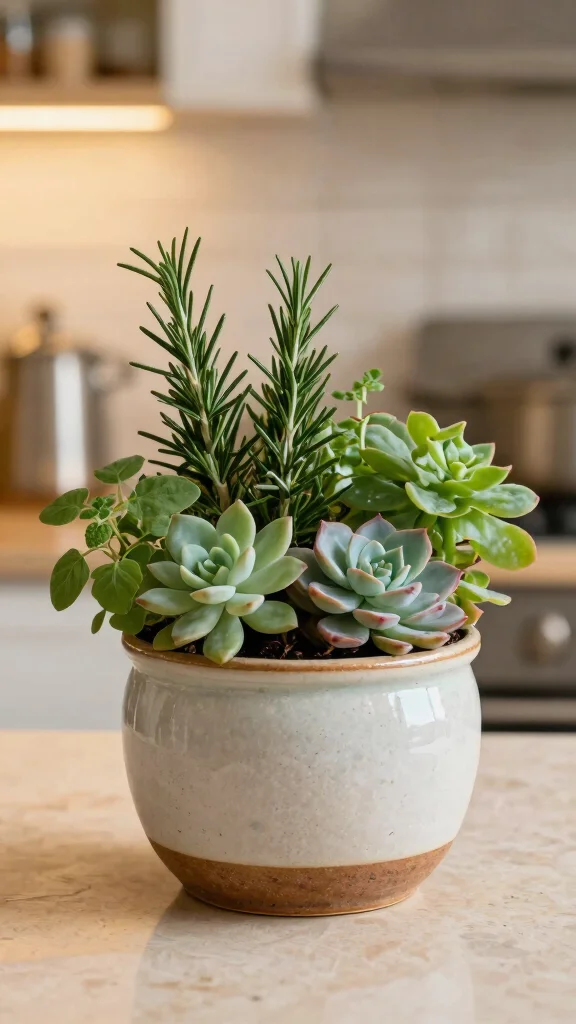
Looking to combine beauty with function? Creating a succulent herb garden is a clever way to achieve both! By mixing herbs like rosemary or dwarf oregano with succulents, you create a stunning display that remains low-maintenance.
This combination also helps retain moisture, as succulents are known for their drought resistance, making them an ideal pair for your kitchen.
Tips for Success:
– Choose pots that allow for drainage to prevent overwatering.
– Use a well-draining soil mix to accommodate both types of plants.
– Place your succulent herb garden in indirect sunlight to promote growth without stress.
Succulent herb gardens add a unique touch while being a great conversation piece in any kitchen.
10. Seasonal Herb Rotation
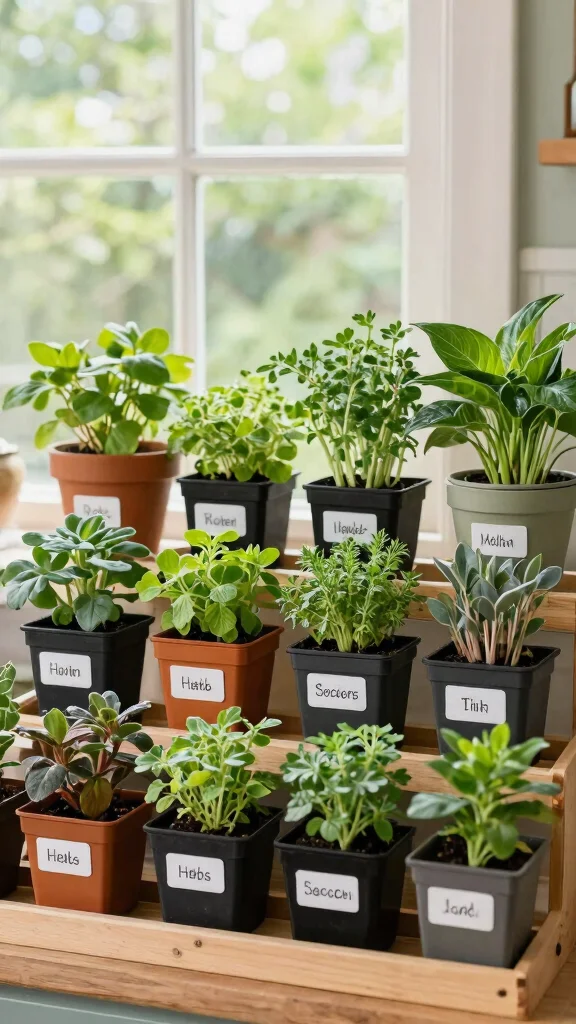
Want to keep your kitchen garden fresh and vibrant? Implementing seasonal planting strategies can enhance diversity! Rotate your herbs with the seasons, planting varieties that thrive during different times of the year. For instance, basil and cilantro are perfect for spring and summer, while rosemary and thyme can last through the colder months.
This approach ensures you always have fresh herbs available for your culinary creations, keeping your garden productive year-round.
Tips for Success:
– Research and choose herbs based on your local climate and growing season.
– Keep a gardening journal to track what you’ve planted and when.
– Always consider companion planting to maintain healthy growth.
Seasonal herb rotation fosters a dynamic kitchen garden that evolves beautifully throughout the year.
Did you know that seasonal rotation is one of the top kitchen garden ideas that can boost harvests by up to 30%? In spring and summer, plant basil and cilantro; in autumn and winter, switch to rosemary and thyme for steady freshness.
11. Community Herb Swap
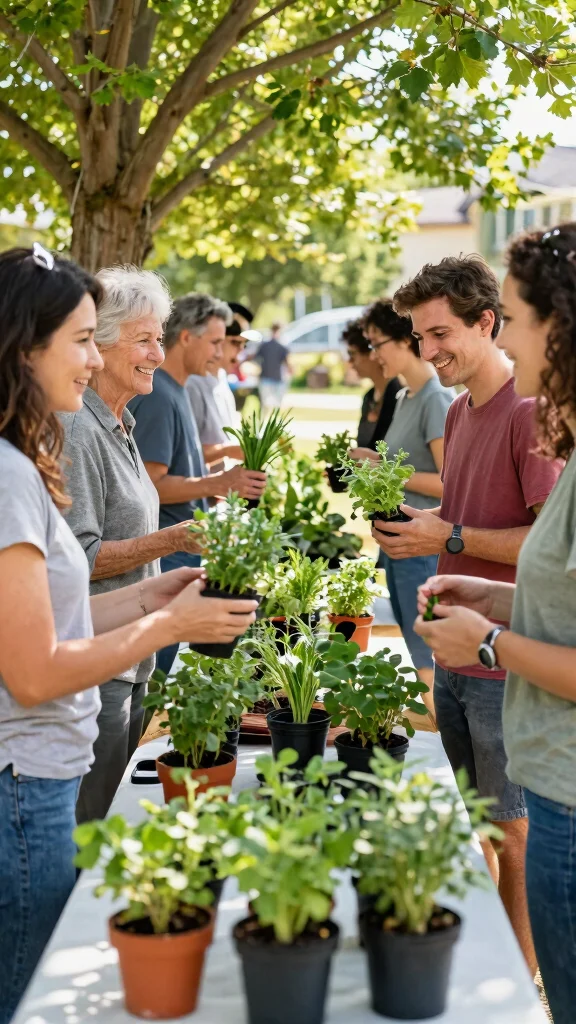
Looking to connect with fellow garden lovers? A community herb swap can be a wonderful experience! Reach out to neighbors or friends with kitchen gardens and exchange clippings or small pots of herbs. This not only diversifies your herb selection but fosters community spirit and a shared passion for gardening.
You might even discover unique varieties that you wouldn’t have thought to grow on your own.
Tips for Success:
– Organize regular swap events to keep the community engaged.
– Share growing tips and recipes featuring the swapped herbs.
– Consider creating a local gardening group for ongoing support and ideas.
Community herb swaps can be a fun and rewarding way to expand your gardening horizons!
12. Herb Garden Workshops
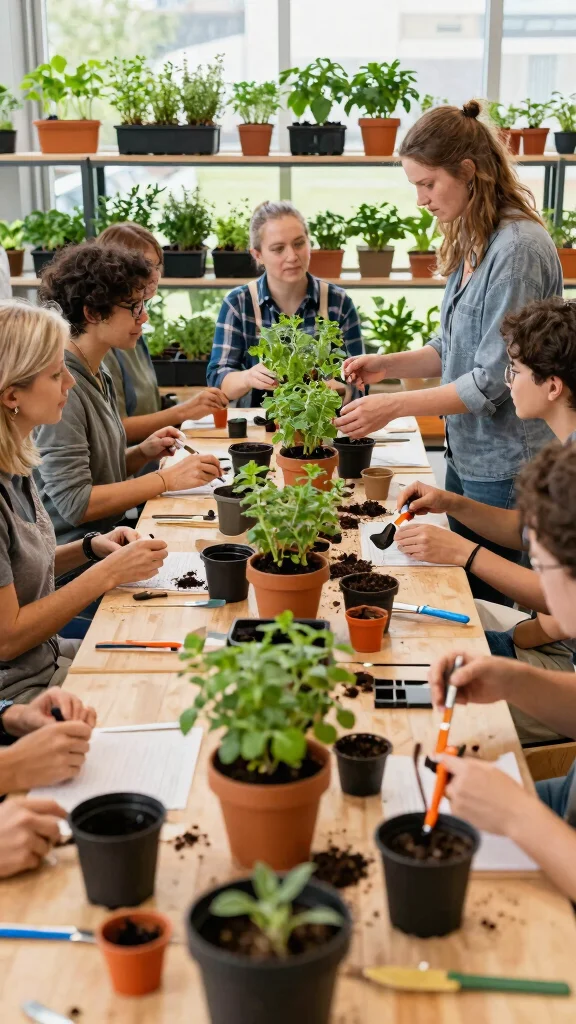
Ready to deepen your gardening skills? Participating in herb garden workshops is a great way to learn! These hands-on classes cover everything from planting techniques to organic gardening practices, allowing you to meet fellow enthusiasts and gain knowledge from experienced gardeners.
Workshops often share insights into pest management, seasonal planting, and how to best care for your herbs as they grow.
Tips for Success:
– Look for local workshops at community centers, nurseries, or online platforms.
– Bring supplies for hands-on activities to enhance your learning experience.
– Don’t hesitate to ask questions and share your own gardening stories!
Joining herb garden workshops opens doors to new ideas, techniques, and friendships in the gardening community.
Conclusion
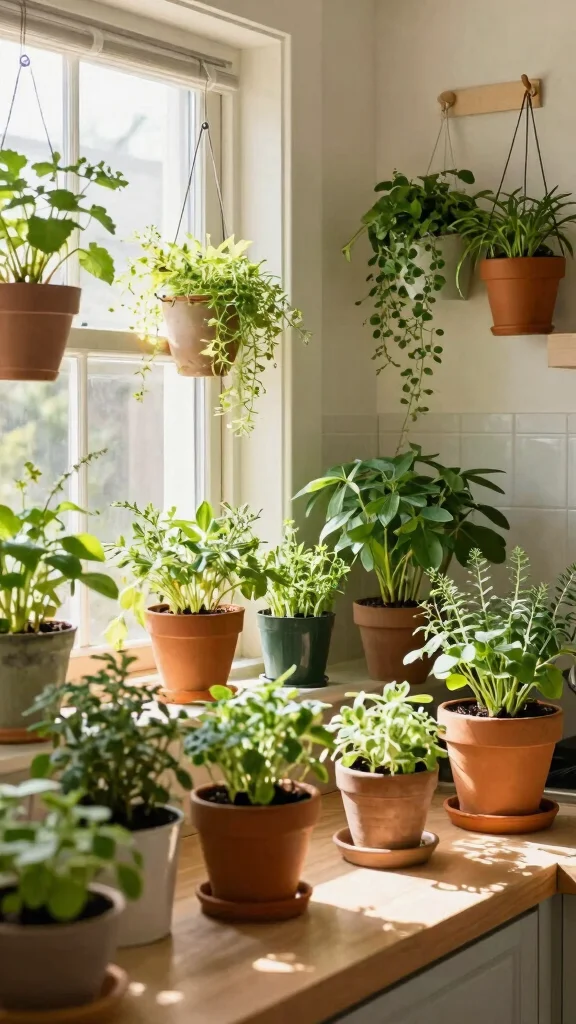
Creating a kitchen garden filled with fresh herbs can transform your cooking and your space!
With these 12 creative ideas, you can easily incorporate herbs into your life, no matter how small your kitchen might be. Embrace the joy of growing your own herbs and enjoy the flavorful rewards they bring to your meals.
Don’t hesitate to experiment, share with your community, and have fun along the way!
Note: We aim to provide accurate product links, but some may occasionally expire or become unavailable. If this happens, please search directly on Amazon for the product or a suitable alternative.
This post contains Amazon affiliate links, meaning we may earn a small commission if you purchase through our links, at no extra cost to you.
Frequently Asked Questions
What are the best herbs to grow in a vertical kitchen garden for maximum freshness?
Vertical herb gardens let you harvest fresh herbs right at your counter. For maximum freshness, start with herbs that thrive in containers: basil, parsley, cilantro, chives, thyme, and mint (grow mint in a separate pot to prevent spreading).
Place your vertical setup in a sunny spot with at least 6 hours of sun. Use stacked planters, hanging pockets, or a trellis with pots. Use a high-quality potting mix with good drainage and a layer of mulch to retain moisture. Water consistently, letting the top inch dry before watering again to avoid root rot. Harvest leaves from the outside in to encourage new growth. This is a classic example of kitchen garden ideas that fit small spaces.
How can I maximize fresh herbs in a small urban space with container gardening?
To maximize fresh herbs in a small urban space, prioritize container gardening techniques that save space and keep herbs productive all season. Start with compact varieties like oregano, basil, mint, sage, and cilantro that perform well in containers.
Use vertical planters, window boxes, or wall-mounted pocket planters to create a vertical kitchen herb garden. Group herbs with similar water needs, install a simple drip irrigation line or self-watering containers, and use lightweight, well-draining potting mix. Place near a kitchen window or sunny balcony. In terms of seasonal planting strategies, sow cool-season herbs in early spring and plant warm-season herbs after danger of frost. For organic gardening practices, apply a weekly compost tea, mulch the surface, and avoid synthetic pesticides. This approach turns urban gardening solutions into practical kitchen garden ideas for busy city dwellers.
What container gardening techniques work best for herbs in a kitchen garden?
Focus on drainage-first setup: choose containers with drainage holes and use a high-quality potting mix with compost. Consider self-watering containers or wick trays to keep soil evenly moist without constant monitoring. Use pot sizes that match each herb’s roots — 6-8 inch pots for many herbs, 8-12 inches for woody herbs. Ensure 6-8 hours of sun daily, and provide excellent drainage in all pots. Fertilize lightly with an organic fertilizer or compost tea every 4-6 weeks. Prune regularly to encourage bushier growth and more flavorful leaves. Keep pests at bay with neem oil or insecticidal soap as needed, and clean planters between crops. These are reliable container gardening techniques for kitchen garden ideas.
What seasonal planting strategies should I follow for a year-round herb kitchen garden?
Plan a simple 12-month calendar so you can harvest herbs year-round. Spring is great for basil, cilantro, and parsley; as temperatures rise, switch to oregano, thyme, and rosemary in bright sun. In fall, bring in tender herbs or move them to sheltered spots to extend their outdoor life. In winter, keep a sunny window or use grow lights for hardy herbs like thyme and chives. Harvest regularly to encourage fresh growth and prevent flowering, which can reduce flavor. Rotate containers each season to keep soil healthy and minimize disease. Use organic gardening practices—compost, mulch, and water deeply but infrequently—to maintain productive kitchen garden ideas all year.
How can I maintain organic health and flavor of herbs in a vertical kitchen garden, and what common mistakes should I avoid?
To keep herbs vibrant and flavorful, focus on sun, water, and air. Avoid overwatering, which can rot roots in compact pots. Use organic compost or worm castings, and feed with a light compost tea every few weeks. Prune weekly to encourage bushier growth and extend harvests; harvest from the outer stems first. Store herbs properly after harvest—rinse, pat dry, and refrigerate or freeze for long-term use. Keep pests away with gentle, organic methods like neem oil or insecticidal soap, and introduce beneficial insects if possible. Avoid overcrowding, which reduces airflow and invites disease. With careful maintenance, this vertical approach aligns with urban gardening solutions and organic gardening practices and keeps your kitchen garden ideas thriving.
Related Topics
kitchen garden ideas
vertical gardening
herb garden tips
container gardening
urban gardening
organic gardening
seasonal planting
beginner friendly
small space solutions
easy maintenance
fresh herbs
sustainable gardening