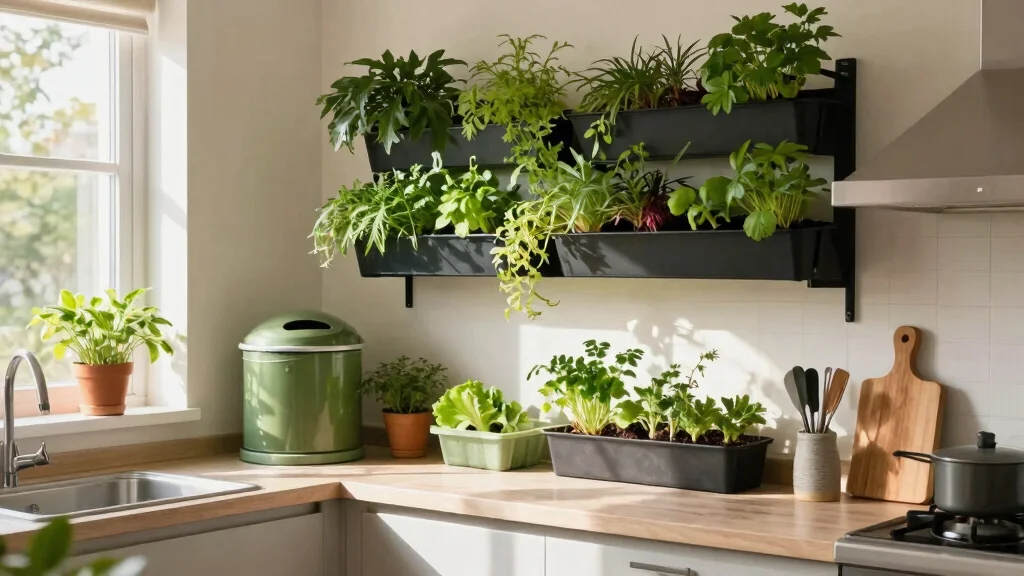
Creating a kitchen garden layout that champions zero waste isn’t just a fun project; it’s a step towards a more sustainable lifestyle. In today’s fast-paced world, we often overlook the importance of growing our own food and reducing waste. That’s why I put together this guide. I want to inspire you to start your own kitchen garden, filled with fresh produce while utilizing sustainable practices. Whether you’re a seasoned gardener or just starting, this post is packed with ideas that can transform your space into a lush, eco-friendly haven.
If you’re someone who cares about sustainability, urban gardening, or simply enjoys the idea of growing your own herbs and vegetables, then you’re in the right place. You’ll discover practical layouts that not only maximize space but also contribute to a healthier planet. From vertical gardens to container gardening, each layout emphasizes zero waste and how you can implement composting techniques to enrich your soil.
Get ready to explore 15 innovative kitchen garden layouts that are not only aesthetically pleasing but also sustainable. You will walk away with ideas that are practical, creative, and ready to be implemented in your own garden. Let’s dig into these designs that will help you cultivate a beautiful space while making a positive impact on the environment!
Key Takeaways
– Discover various kitchen garden layouts that maximize space and promote sustainability.
– Learn about vertical gardening techniques that allow you to grow more in smaller areas without sacrificing aesthetics.
– Understand the importance of composting techniques that enrich soil and reduce kitchen waste.
– Explore container gardening options that cater to those with limited outdoor space yet still want to grow their own food.
– Find out how to integrate practices like rainwater harvesting and seasonal planting strategies to enhance water conservation and plant health.
1. Vertical Garden Wonders
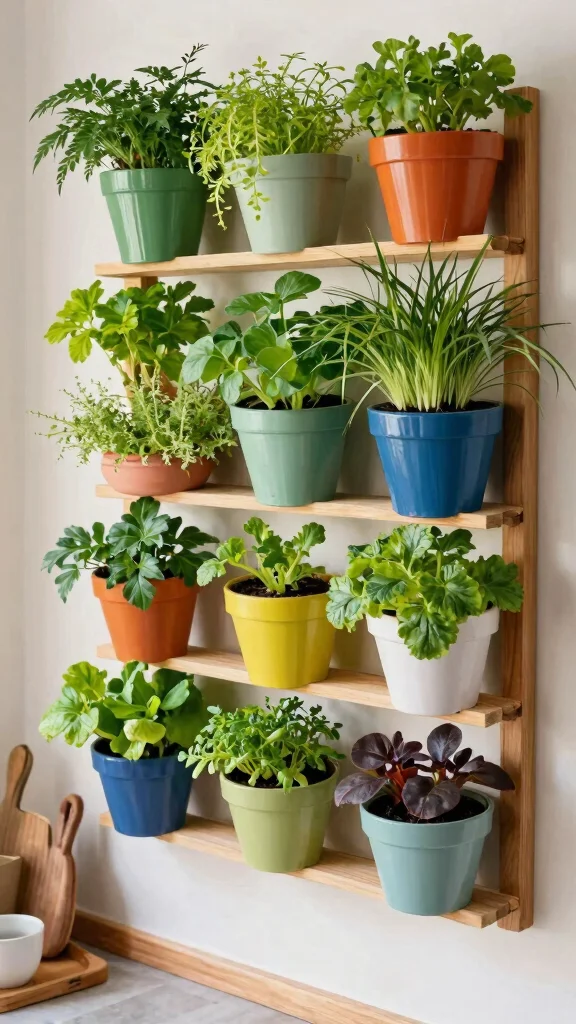
Are you short on space but eager to grow fresh herbs and veggies? Vertical gardens are your answer! By utilizing your walls creatively, you can cultivate a variety of plants like basil, chives, and cherry tomatoes, all while adding a vibrant touch to your kitchen decor. These gardens not only save space but also enhance your indoor air quality and aesthetics.
Ingredients:
– Wall-mounted planter or shelving units
– Lightweight pots
– Quality potting soil
– Assorted herbs and small veggies
Instructions:
1. Choose a wall-mounted planter or build your own shelving unit.
2. Select lightweight pots to prevent wall strain.
3. Fill with quality potting soil and arrange your plants.
4. Ensure your plants receive adequate light and rotate them regularly.
FAQs:
– Can I use any wall for my garden? Yes, as long as it gets enough sunlight.
– Can I grow larger plants vertically? Generally, stick to herbs and smaller veggies for best results.
2. Container Gardening for All
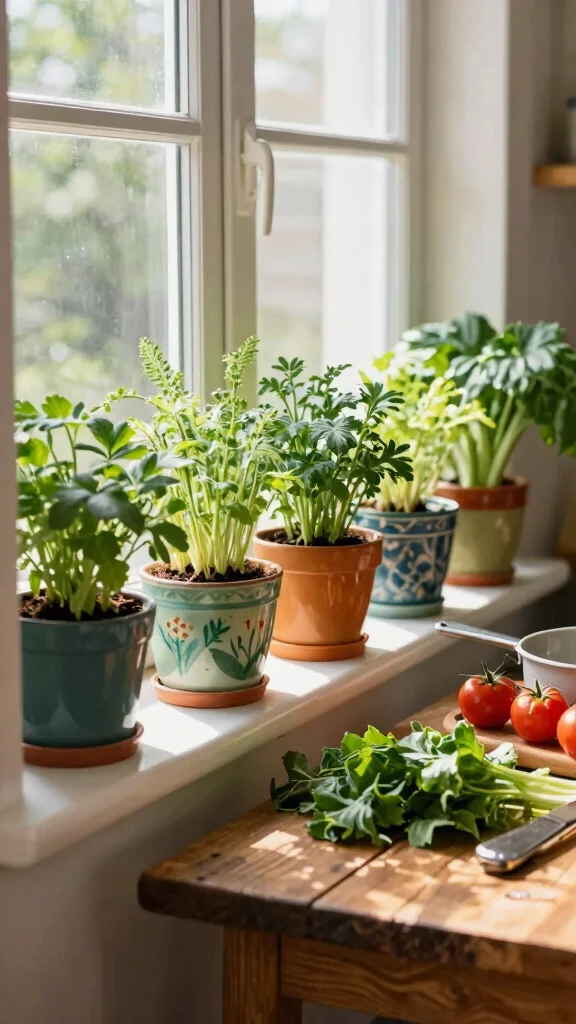
Do you dream of fresh herbs and veggies but lack a garden? Container gardening is your perfect solution! With pots or bins, you can create your own mini garden, no matter how small your space is. Choose decorative containers that not only look good but also allow for proper drainage.
Ingredients:
– Containers with drainage holes
– Potting mix
– A selection of herbs, veggies, or flowers
Instructions:
1. Pick suitable containers with drainage holes.
2. Fill with potting mix that retains moisture.
3. Choose plants like lettuce, strawberries, or compact peppers.
4. Water as needed and enjoy your fresh produce.
FAQs:
– Can I use any container for gardening? Yes, as long as it has drainage.
– Can I grow flowers in containers? Absolutely! Mix them with herbs for beauty and fragrance.
Container gardening is the secret to a thriving kitchen garden layout for everyone. Start with pots that drain well, use fresh potting mix, and pick herbs you actually cook with. Start small, stay consistent, and savor fresh greens in days, not weeks.
3. Raised Bed Revolution
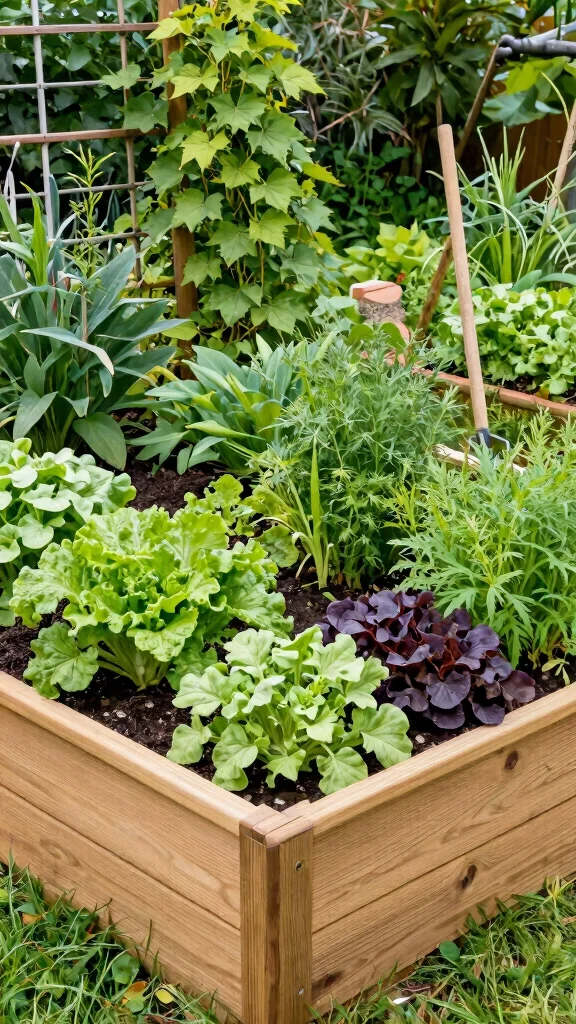
Looking for a way to make gardening accessible and productive? Raised garden beds might be just what you need! These structures improve drainage and soil quality, allowing larger plants to flourish while reducing back strain during maintenance.
Ingredients:
– Untreated wood or sustainable materials
– Nutrient-rich soil blend
– A sunny spot in your yard
Instructions:
1. Choose a sunny location for your raised bed.
2. Construct a frame from untreated wood or other materials.
3. Fill the bed with a nutrient-rich soil blend.
4. Plant your chosen veggies and enjoy the harvest.
FAQs:
– Can I use treated wood? It’s better to avoid it to prevent chemicals leaching into the soil.
– Can I grow flowers in my raised bed? Yes, many gardeners mix flowers with vegetables for beauty and biodiversity.
4. Herb Spiral Delight
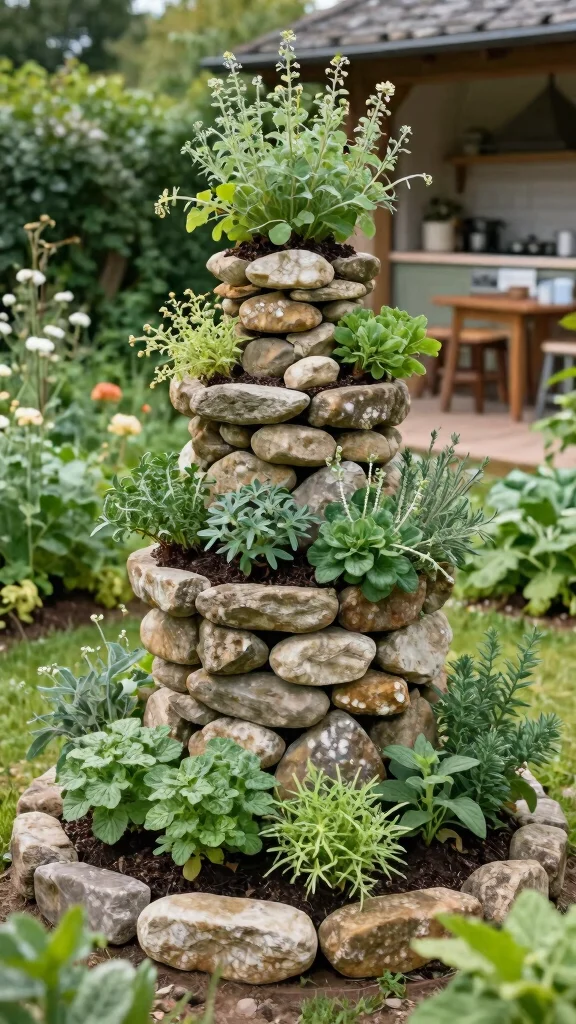
Want to grow a variety of herbs but have limited space? An herb spiral is a delightful solution! This unique design creates microclimates for different herbs, maximizing your garden’s potential while adding a stunning visual element.
Ingredients:
– Stones or bricks for structure
– Quality soil for planting
– Assorted herbs
Instructions:
1. Outline the spiral shape with stones or bricks.
2. Build the spiral structure, ensuring stability.
3. Fill it with quality soil and plant your herbs accordingly.
4. Water from the top to ensure even moisture distribution.
FAQs:
– Can I include annual herbs? Yes, but perennial herbs are recommended for less maintenance.
– Is it hard to maintain? The spiral design helps reduce maintenance by creating diverse growing conditions.
5. Companion Planting Benefits
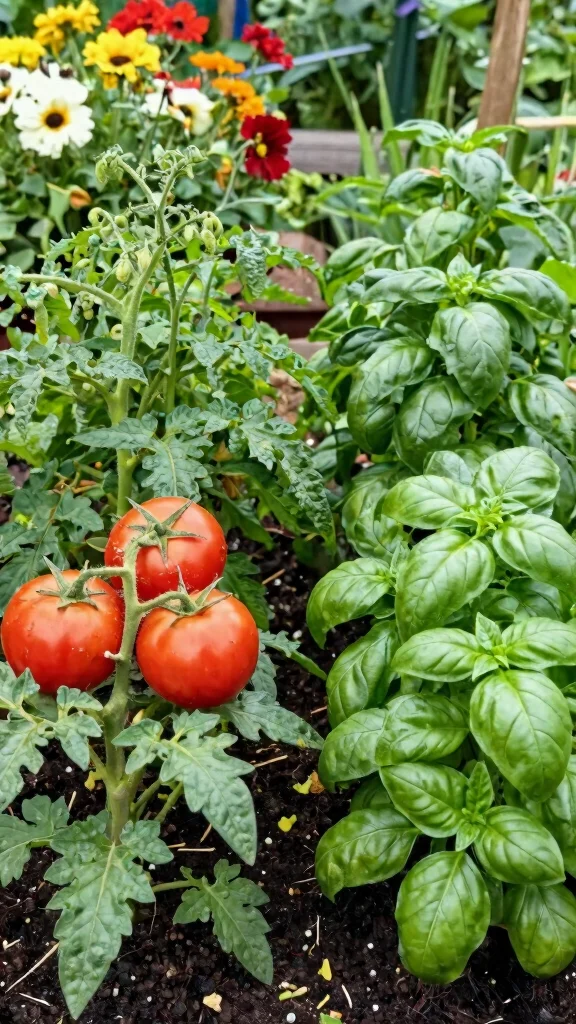
Are you aware that certain plants thrive better together? Companion planting enhances growth and helps deter pests naturally. By pairing compatible plants, you can create a healthier, more productive garden while minimizing the need for chemicals.
Ingredients:
– Compatible plant pairs (e.g., tomatoes and basil)
– A planned garden layout
Instructions:
1. Research plant pairings that benefit each other.
2. Plan your garden layout based on these pairings.
3. Monitor plant health for optimal growth.
FAQs:
– Can I plant anything together? Some combinations work better than others; research is key.
– Can I rotate plants each year? Yes, rotating helps maintain soil health.
How To Choose The Right Kitchen Garden Layout
When planning your kitchen garden, the layout is crucial for maximizing space and ensuring a successful harvest. Here are some key factors to consider when selecting the perfect kitchen garden layout for your zero waste design.
1. Space Availability
Assess the space you have available. Are you working with a small balcony, a backyard, or a rooftop? Each type of space influences your layout choice. Small spaces benefit from vertical gardening, where you can grow more plants upward rather than outward. Measure your area to make sure your chosen layout fits comfortably without becoming overcrowded.
2. Plant Types
Consider the type of plants you want to grow. Do you prefer herbs, vegetables, or fruits? Some plants thrive better in specific layouts. For instance, root vegetables like carrots and potatoes do well in raised beds, while herbs can flourish in container gardens. Choose a layout that complements the needs of your plants to ensure optimal growth.
3. Sunlight Exposure
Evaluate how much sunlight your garden area receives throughout the day. Most vegetables need at least 6-8 hours of direct sunlight. If you’re planting in a shaded area, consider layouts like a herb spiral or container gardening that allow you to better position plants to capture sunlight. Take note of shadows cast by trees or structures to optimize your garden’s placement.
4. Water Access
Make sure your chosen layout allows easy access to water. A kitchen garden needs consistent moisture, especially in warmer months. If you’re using raised beds or containers, consider how you will water them—whether through a watering can or a drip irrigation system. If you have limited access to water, look for layouts that include rainwater harvesting solutions.
5. Soil Quality
The quality of your soil plays a vital role in plant health. Assess your soil type and its nutrients. Raised beds can help improve drainage and soil quality. If your soil is poor, consider container gardening where you can control the soil mix. This is particularly useful for growing vegetables and herbs that demand high-quality soil.
6. Sustainability Practices
Incorporate sustainable gardening practices into your layout. This includes using composting techniques to enrich your soil, companion planting to reduce pests, and native plants that require less water. Sustainable practices not only enhance your kitchen garden’s productivity but also contribute to a healthier ecosystem.
Pro Tip: Take time to sketch your garden design before planting. This allows you to visualize plant placement, ensure adequate spacing, and make adjustments as necessary. Keep your layout flexible to make room for seasonal changes or crop rotations that improve soil health and prevent diseases.
By considering these factors, you can choose a kitchen garden layout that maximizes your space, enhances plant health, and contributes to your zero waste goals. Happy gardening!
6. Integrating Composting Techniques
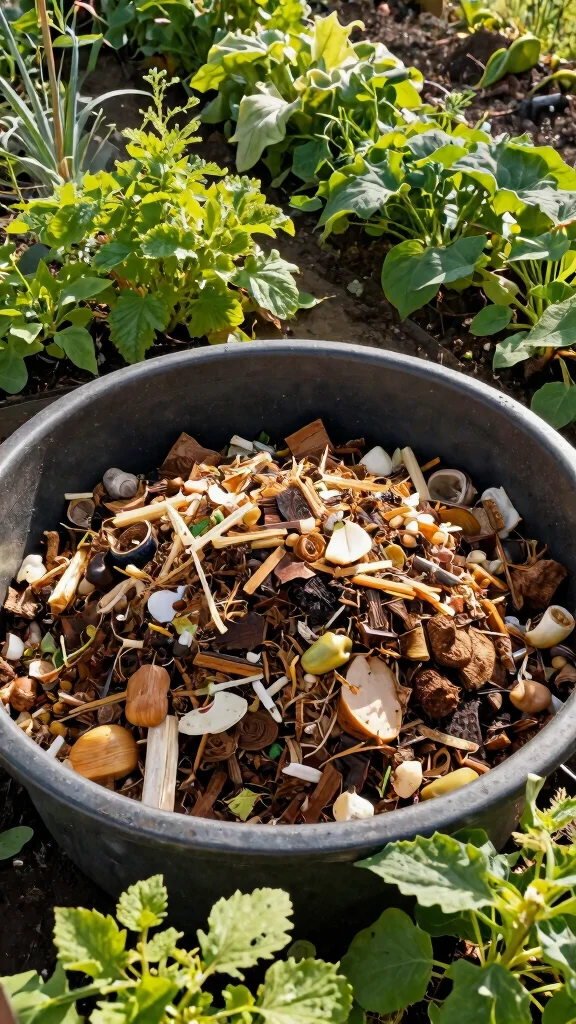
Wondering how to reduce waste while enhancing your garden? Composting is the answer! By recycling kitchen scraps into rich compost, you can significantly boost your soil’s health and reduce landfill contributions.
Ingredients:
– A compost bin or designated area
– Kitchen scraps (fruit peels, coffee grounds)
– Yard waste (leaves, grass clippings)
Instructions:
1. Set up a compost bin or area.
2. Collect kitchen scraps and mix them with yard waste.
3. Turn the compost regularly to speed up decomposition.
FAQs:
– Can I compost meat or dairy? It’s best to avoid these to prevent odors.
– How long does it take to make compost? It can take a few months, depending on conditions.
7. Utilizing Edible Landscaping
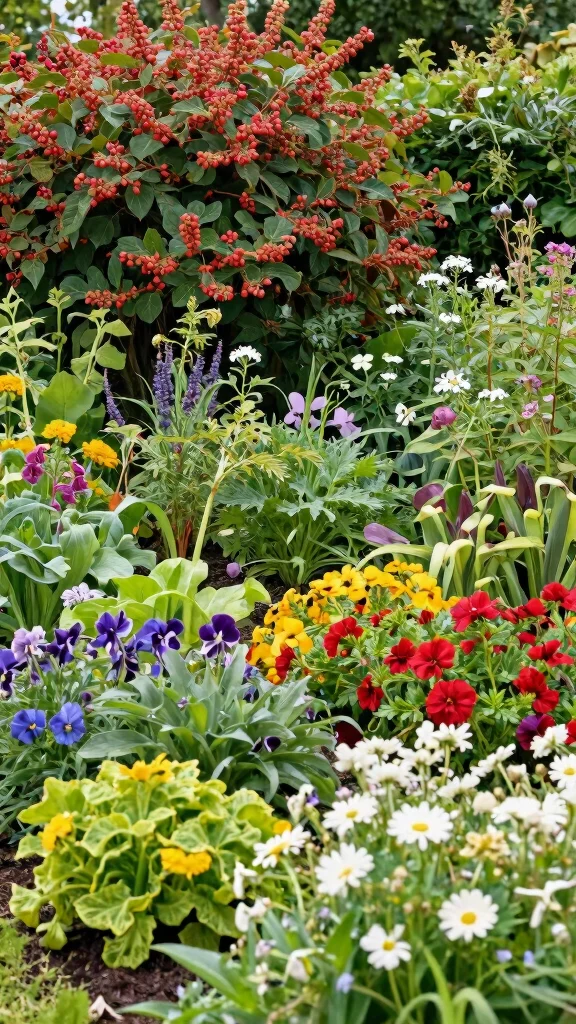
Ever thought about blending beauty with functionality in your garden? Edible landscaping allows you to grow ornamental plants that also produce food. Imagine colorful flowers that yield delicious fruits or vegetables!
Ingredients:
– A selection of edible plants (fruit trees, berry bushes)
– Decorative plants
Instructions:
1. Choose edible plants that thrive in your climate.
2. Plan a layout that enhances aesthetics while providing food.
3. Regularly maintain and harvest for best results.
FAQs:
– Can I mix flowers and vegetables? Yes! Mixing enhances beauty and biodiversity.
– Do edible plants require special care? Not necessarily, but they do need attention like any other plant.
8. Hydroponics at Home
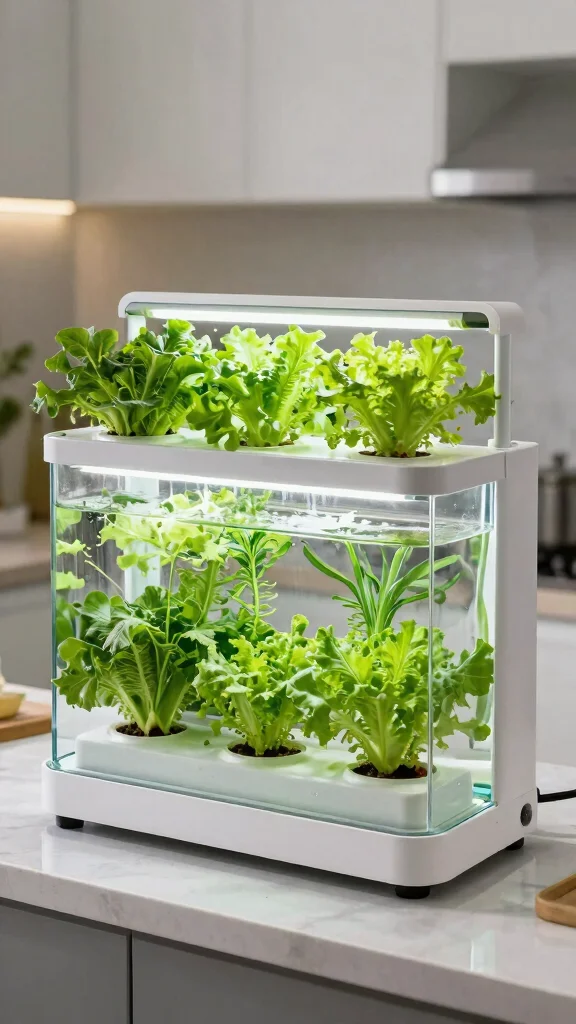
Curious about soil-less gardening? Hydroponics is an innovative method that grows plants in nutrient-rich water, making it perfect for small spaces. You can enjoy fresh produce all year round with minimal fuss.
Ingredients:
– Hydroponic setup (PVC pipes, reservoir)
– Grow lights (if needed)
– Nutrient solution
Instructions:
1. Choose a hydroponic system design that suits your space.
2. Gather the necessary materials and set it up.
3. Prepare the nutrient solution and monitor pH levels regularly.
FAQs:
– Can I grow any plants hydroponically? Most leafy greens and herbs do well; fruiting plants may need more care.
– Is it complicated? Once set up, it’s relatively easy to maintain.
Did you know 1 square foot can yield more greens with hydroponics than traditional soil in the same space? Start small with a simple hydroponic setup and a reservoir—your kitchen garden layout suddenly becomes a year-round harvest.
9. Creating a Pollinator-Friendly Space
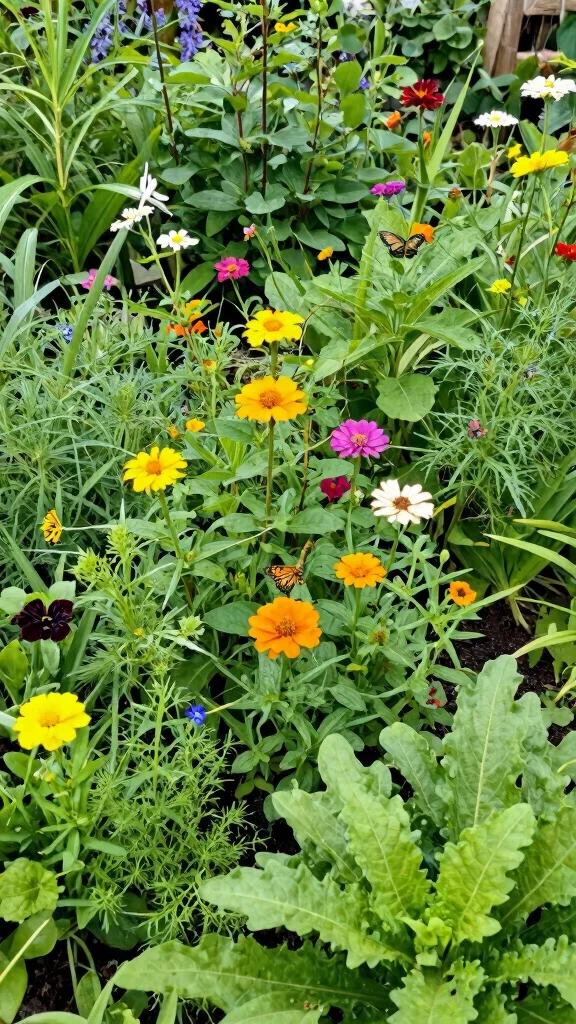
Want to attract bees and butterflies to your garden? Creating a pollinator-friendly space is essential for biodiversity, and it’s also beautiful! By planting flowers that attract these beneficial insects, you’re enhancing both your garden’s productivity and the environment.
Ingredients:
– A variety of flowering plants (lavender, coneflowers)
– Native plants for shelter
Instructions:
1. Plant a diverse array of flowers that bloom at different times.
2. Group plants together for easy access by pollinators.
3. Provide water sources and habitat areas.
FAQs:
– Can I use pesticides? It’s best to avoid them to protect pollinators.
– How do I create shelter for beneficial insects? Grouping native plants helps provide natural cover.
10. Indoor Gardening Solutions
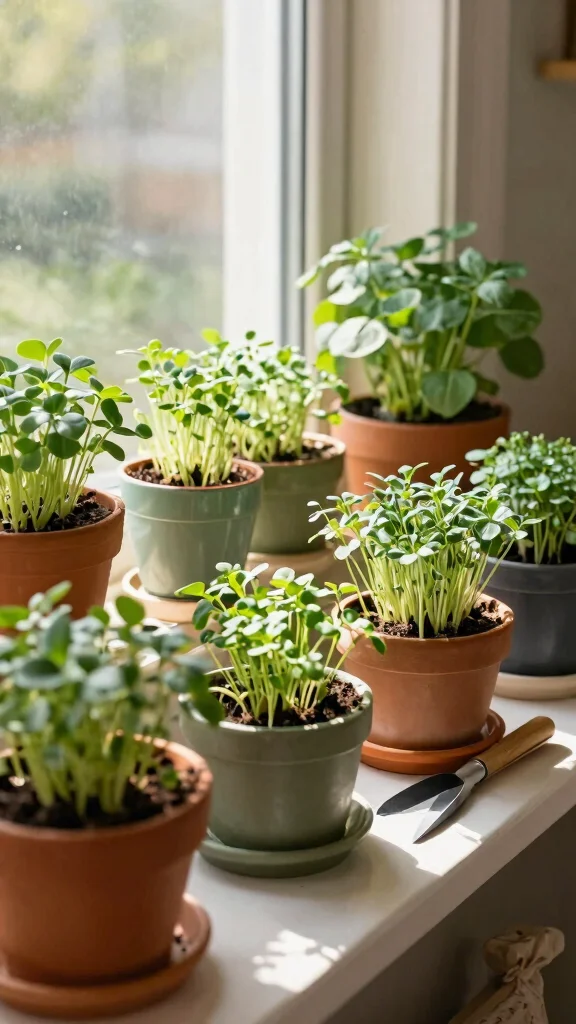
Miss gardening during winter? Indoor gardening is the perfect way to keep growing year-round! Herbs, microgreens, and small veggies can thrive on windowsills or under grow lights, offering fresh produce no matter the season.
Ingredients:
– Suitable containers
– Potting mix
– Indoor-friendly plants (mint, cilantro)
Instructions:
1. Choose containers with good drainage.
2. Select plants that grow well indoors.
3. Ensure they receive adequate light, either from windows or grow lights.
FAQs:
– Can I use compost for indoor plants? Yes, compost enriches the soil.
– How often should I water? Monitor closely to avoid over or under-watering.
11. Rainwater Harvesting
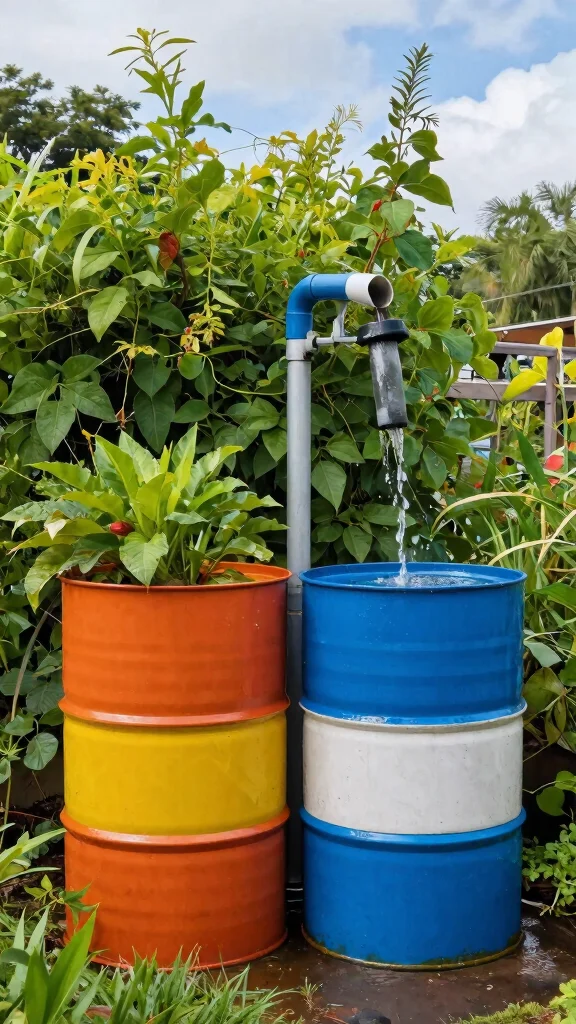
Looking for an eco-friendly way to water your garden? Rainwater harvesting is a sustainable method that collects rainwater for gardening use. This practice conserves water and provides your plants with chemical-free hydration.
Ingredients:
– Rain barrels or cisterns
– Hose or drip irrigation system
Instructions:
1. Install rain barrels or cisterns at your downspouts.
2. Use a first-flush diverter to keep debris out.
3. Connect a hose or irrigation system for easy access to the water.
FAQs:
– Can I drink harvested rainwater? Generally, it’s best used for irrigation unless properly filtered.
– How often should I clean my rain barrels? Regular maintenance is important to prevent contamination.
12. Seasonal Planting Strategies
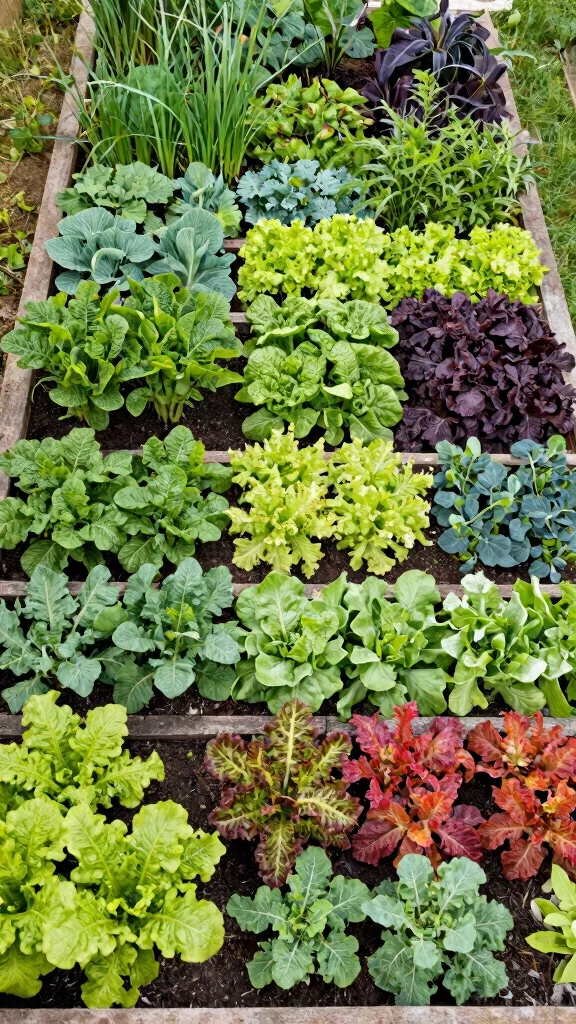
Want to enjoy a variety of fresh produce year-round? Seasonal planting strategies allow you to grow crops that thrive at different times of the year. By understanding your local climate, you can create a continuous harvest for your kitchen garden.
Ingredients:
– A planting calendar
– Seeds suited for each season
Instructions:
1. Familiarize yourself with your local growing zone.
2. Plan your garden layout according to seasonal crops.
3. Rotate crops to enhance soil health.
FAQs:
– Can I grow the same crop every season? Rotating crops helps maintain soil health and reduces pest issues.
– How do I know what to plant? Research local seasonal planting guides for your area.
13. Succession Planting Techniques
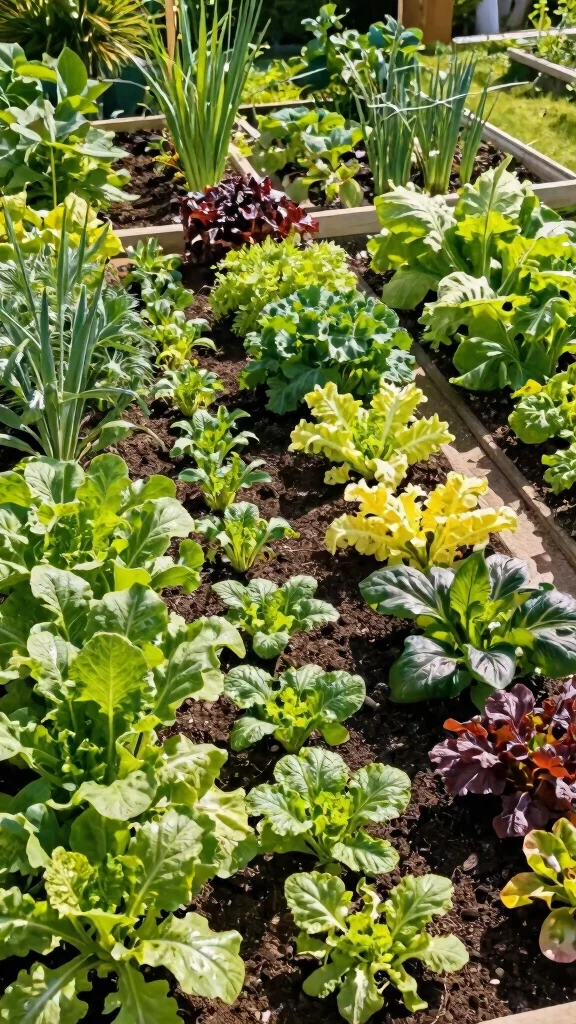
Want to maximize your garden’s yield? Succession planting is a smart technique that allows you to stagger the planting of similar crops, ensuring a longer harvest period and reducing waste.
Ingredients:
– Fast-growing seeds (like lettuce, radishes)
– A planting schedule
Instructions:
1. Choose crops that grow quickly.
2. Plan to plant new seeds every few weeks.
3. Monitor your plants to ensure timely harvesting.
FAQs:
– Can I plant different crops at the same time? Yes, but staggered planting of the same crop maximizes yield.
– How do I keep track of my planting dates? Keeping a garden journal is helpful for reference.
14. Incorporating Native Plants
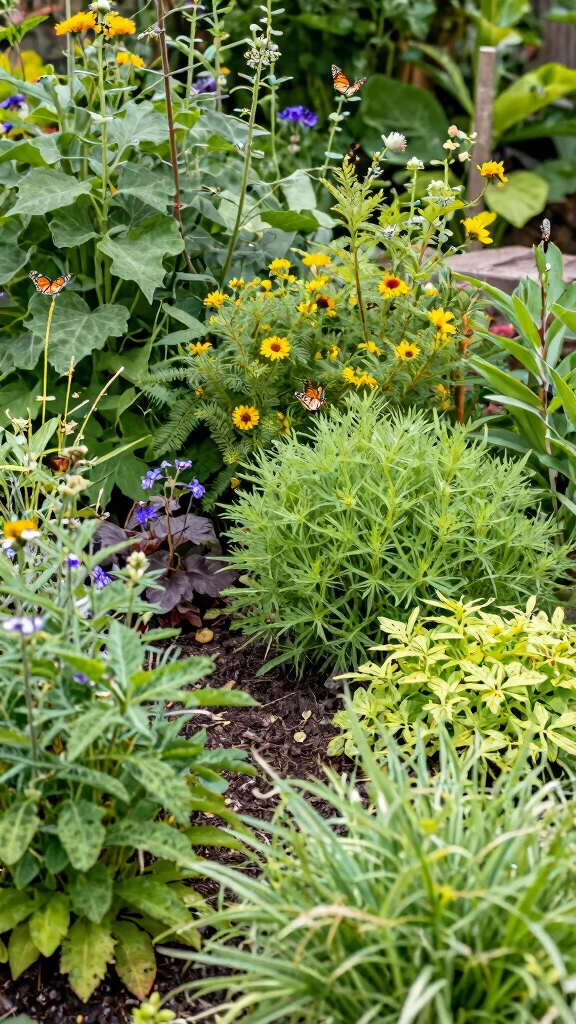
Want to support local ecosystems? Integrating native plants into your kitchen garden enhances biodiversity and requires less maintenance and water. These plants are adapted to your area and help create a thriving environment.
Ingredients:
– Native plant species suitable for your region
– A garden layout that includes these plants
Instructions:
1. Research local native plants that will thrive in your area.
2. Plan your garden layout to incorporate these plants.
3. Monitor their growth and interaction with other plants.
FAQs:
– Can I use native plants for pest management? Yes, many native plants attract beneficial insects that help control pests.
– How do I find native plants? Local nurseries or extension services often have lists of native species.
15. Creating a Kitchen Garden Community
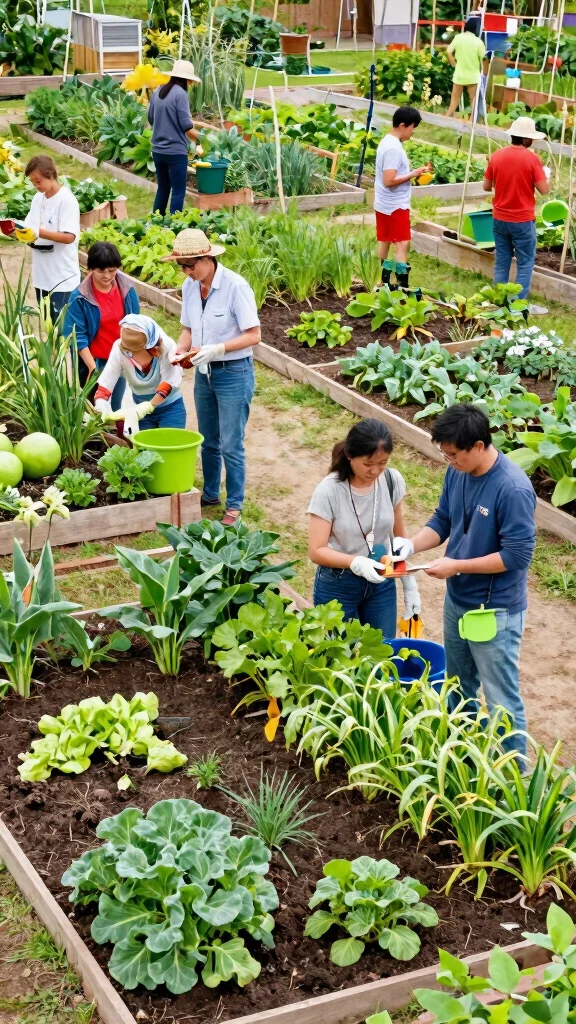
Looking to share your gardening passion? Building a community around kitchen gardening fosters relationships and encourages sustainable practices. Community gardens bring people together, allowing urban dwellers to grow food collectively while sharing knowledge.
Ingredients:
– Interested neighbors
– Available land for gardening
Instructions:
1. Gather interest from neighbors to form a community garden.
2. Develop a plan for the garden layout and responsibilities.
3. Organize workshops to share sustainable gardening techniques.
FAQs:
– Can anyone join a community garden? Yes, inclusivity is key to building a strong community.
– How often should we meet? Regular meetings help keep everyone engaged and informed.
Did you know a simple neighbors-for-a-garden plan can save you 40% on water and time? Start with a potluck meet-up, map shared beds, and trade tips. Your kitchen garden community grows healthier, tastier harvests—and friendships that last.
Conclusion
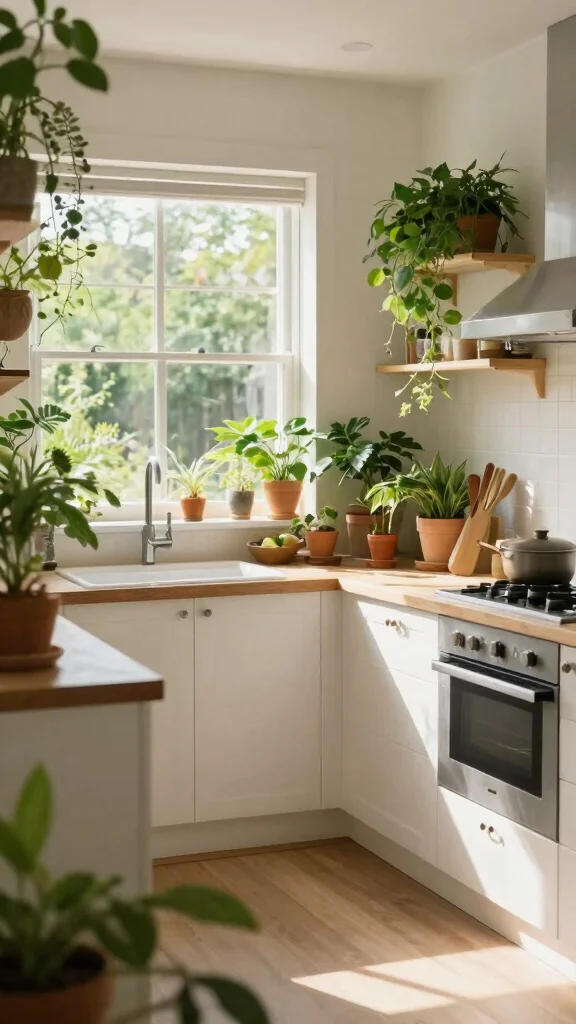
Embracing these 15 kitchen garden layouts can transform your culinary space into a sustainable oasis. Each idea promotes zero waste principles while offering fresh produce and vibrant greenery for your home. Whether you’re a novice or an expert gardener, integrating these methods will not only enhance your kitchen but also contribute positively to the environment. Let’s cultivate a greener future together!
Note: We aim to provide accurate product links, but some may occasionally expire or become unavailable. If this happens, please search directly on Amazon for the product or a suitable alternative.
This post contains Amazon affiliate links, meaning we may earn a small commission if you purchase through our links, at no extra cost to you.
Frequently Asked Questions
What is the most practical kitchen garden layout for small urban spaces?
For small urban spaces, a practical kitchen garden layout blends vertical gardening with container beds to maximize sun and soil. Start by mapping four zones: a compact herb/leaf section near the kitchen, a vertical growing wall, a few deep containers for roots, and a small composting corner. Choose compact or dwarf varieties and mix high-quality potting soil with a slow-release organic fertilizer. Install wall planters or a trellis to grow herbs, lettuce, and cherry tomatoes upward, freeing floor space for peppers or radishes. Water efficiently with a drip line or a rain barrel and mulch to conserve moisture. With thoughtful layout, your kitchen garden layout becomes productive and easy to maintain while supporting zero-waste design.
How can I apply sustainable gardening principles to a kitchen garden layout and reduce waste?
Emphasize sustainable gardening by starting with a kitchen-friendly composting system. Use composting techniques like vermicomposting or a Bokashi bin to turn kitchen scraps into rich soil for containers. Reuse any containers or build a vertical planter from reclaimed wood or pallets to cut waste. Collect rainwater for irrigation and install a simple drip system to minimize water use. Favor native or heat-tolerant varieties that thrive in your climate, and rotate crops to protect soil health. This approach keeps your urban gardening space productive and waste-free, aligning with a true zero-waste kitchen garden layout.
What vertical gardening options work best for a kitchen garden layout?
Vertical options save space and look stylish in any urban gardening setup. Consider wall-mounted pockets or fabric grow bags for herbs, lettuce, and strawberries. Install a trellis or wire panels for climbing tomatoes or beans, plus stackable planters or a hanging garden on a balcony. Use lightweight, recyclable containers and fill with high-quality potting mix to keep soil healthy in containers. Pair vertical sections with a compact container bed for roots and brassicas, and you’ll achieve a flexible vertical gardening system that fits your kitchen garden layout.
Which crops thrive in a kitchen garden layout using container gardening and vertical gardening?
Great picks include compact tomatoes, peppers, leafy greens (lettuce, spinach, arugula), herbs (basil, parsley, chives), radishes, and green onions. Grow leafy greens in shallow containers for fast turnover, and train vines like cucumbers up a trellis. Use companion planting to maximize space and pest resistance. For a zero-waste design, choose crops with similar water needs and reuse kitchen compost as a soil boost for containers. With careful planning, your kitchen garden layout can produce fresh herbs and veggies all season.
How can I integrate composting techniques with urban gardening and a kitchen garden layout?
Start with a compact composting setup near your garden to recycle composting techniques into soil fertility. Use a small countertop-to-bin system or a worm bin to break down kitchen scraps—greens, browns, and aeration matter. When finished, apply the finished compost to container mixes or vertical planters to maintain soil structure and fertility. Balance greens and browns (about 2-3 parts browns to 1 part greens) and turn regularly to speed decomposition. This approach closes the loop in your urban gardening project, supporting a truly zero-waste kitchen garden layout.
Related Topics
kitchen garden layout
sustainable gardening
vertical gardening
urban gardening
container gardening
zero waste design
composting techniques
beginner friendly
small space gardening
DIY garden projects
edible landscaping
seasonal gardening