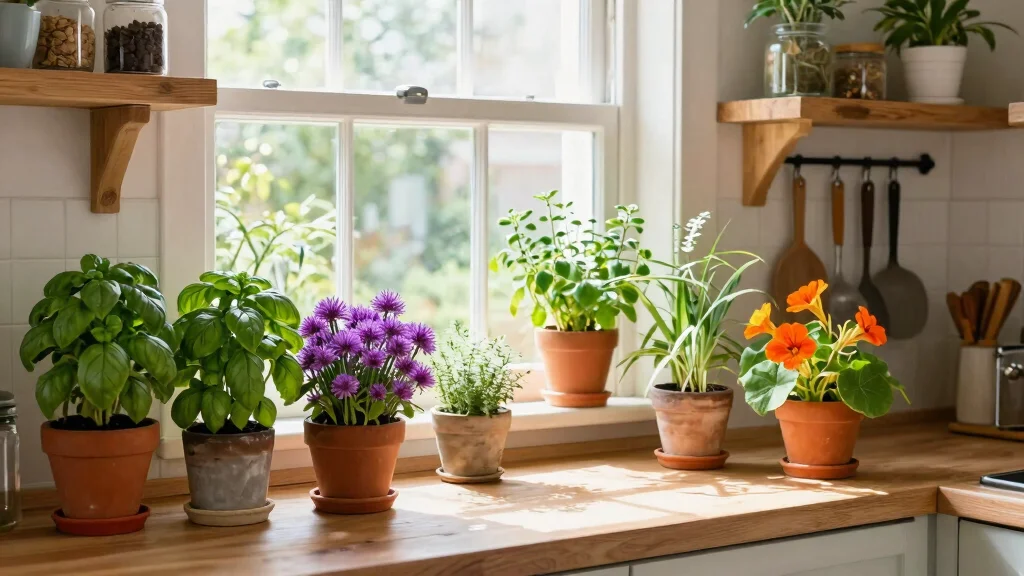
Are you ready to spice up your cooking and bring some life to your kitchen? If so, you’re in for a treat! I’ve been thinking about how recipes sometimes feel a bit flat, and how adding fresh herbs and colorful edible plants can completely transform a dish. That’s why I put together this post featuring 13 kitchen plants that not only add a burst of color but also elevate your culinary creations with fresh flavors.
This guide is perfect for anyone interested in herb gardening, whether you’re a seasoned pro or just starting out. If you have a small space or live in an apartment, you might think growing your own herbs is out of reach. But with the right container gardening techniques, you can create your very own kitchen herb garden right on your windowsill! You’ll learn about which plants are best suited for cooking, how to care for them, and tips for incorporating them into your meals.
By the end of this post, you’ll have a list of colorful and flavorful kitchen plants that will inspire you to get creative in the kitchen. You’ll gain practical insights on how to nurture these plants, and I’ll guide you through using them in your cooking to impress your friends and family. Let’s dive into the world of kitchen plants that can add freshness to your meals!
Key Takeaways
– Discover 13 kitchen plants that are not only colorful but also edible, enhancing your cooking experience.
– Learn how to grow herbs in small spaces, making them accessible for anyone regardless of their living situation.
– Find practical tips for caring for your kitchen plants to ensure they thrive and provide you with fresh ingredients.
– Get inspired with ideas on how to use these herbs in your recipes, making your dishes more vibrant and flavorful.
– Understand the benefits of growing your own herbs, including cost savings and the joy of gardening at home.
1. Basil – The Aroma of Italy
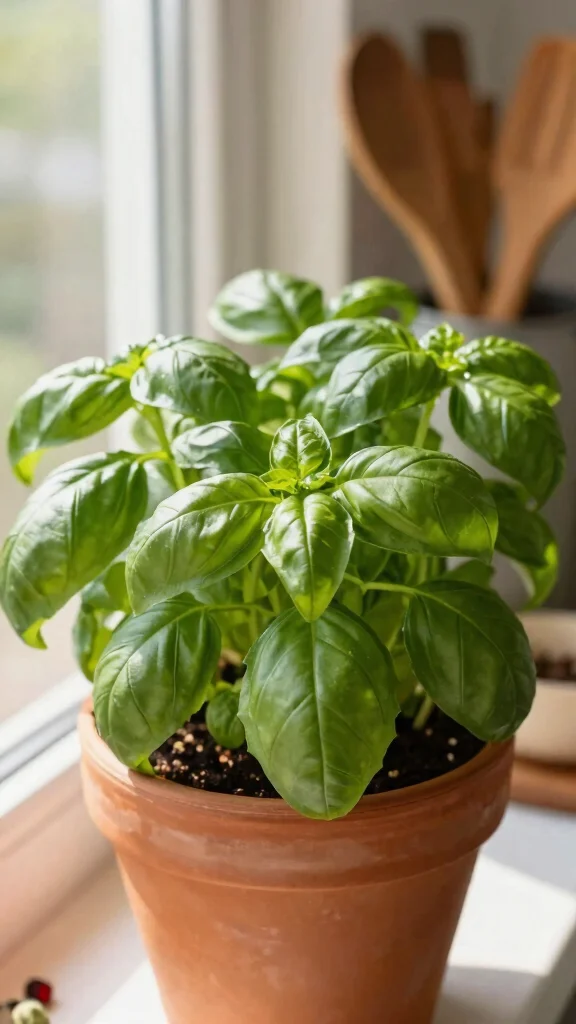
Craving a burst of flavor in your dishes? Fresh basil is your kitchen hero! With its aromatic leaves and rich green color, basil elevates everything from pasta to salads, making meals truly special. It’s packed with vitamins and easy to grow right on your windowsill, ensuring you have fresh herbs at hand whenever you need them.
Ingredients:
– 2 cups fresh basil leaves
– 1 cup olive oil
– 1/2 cup grated Parmesan cheese
– 1/4 cup pine nuts
– 3 cloves garlic
Instructions:
1. Rinse and dry basil leaves thoroughly.
2. In a food processor, combine basil, pine nuts, and garlic.
3. Pulse until finely chopped.
4. With the processor running, slowly add olive oil until smooth.
5. Stir in Parmesan cheese and season with salt and pepper.
6. Store in a jar in the fridge for up to a week.
FAQs:
– How often should I water basil? Water when the soil feels dry.
– Can I grow basil indoors? Yes, it thrives in pots with plenty of sunlight.
2. Chives – The Subtle Touch of Onion
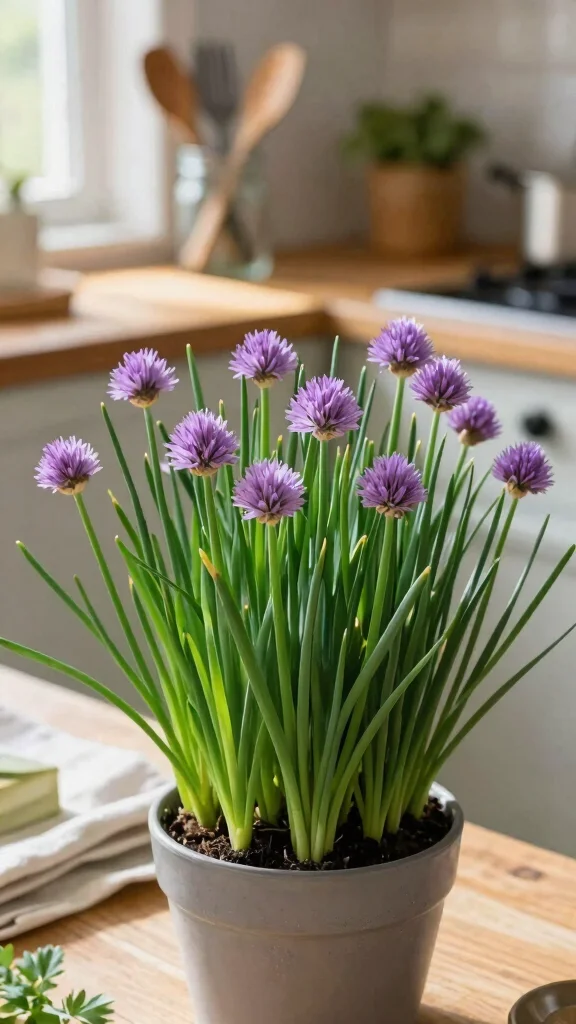
Looking to add a hint of onion flavor to your meals? Chives are the perfect choice! These slender green herbs not only enhance your dishes with their mild taste but also bring a lovely pop of color to your kitchen. They’re easy to care for and can thrive in various light conditions, making them ideal for any home cook.
Ingredients:
– 2 eggs
– 1/4 cup milk
– 1 tbsp fresh chives, chopped
– Salt and pepper to taste
– 1 tbsp butter
Instructions:
1. Whisk together eggs, milk, chives, salt, and pepper in a bowl.
2. Heat butter in a non-stick skillet over medium heat.
3. Pour the egg mixture into the skillet and stir gently.
4. Cook until softly scrambled and edges set.
5. Serve warm, garnished with extra chives.
FAQs:
– How do I store fresh chives? Wrap in a damp paper towel and refrigerate.
– Can I grow chives from seeds? Yes, they’re easy to grow from seeds or divisions.
3. Mint – A Refreshing Addition
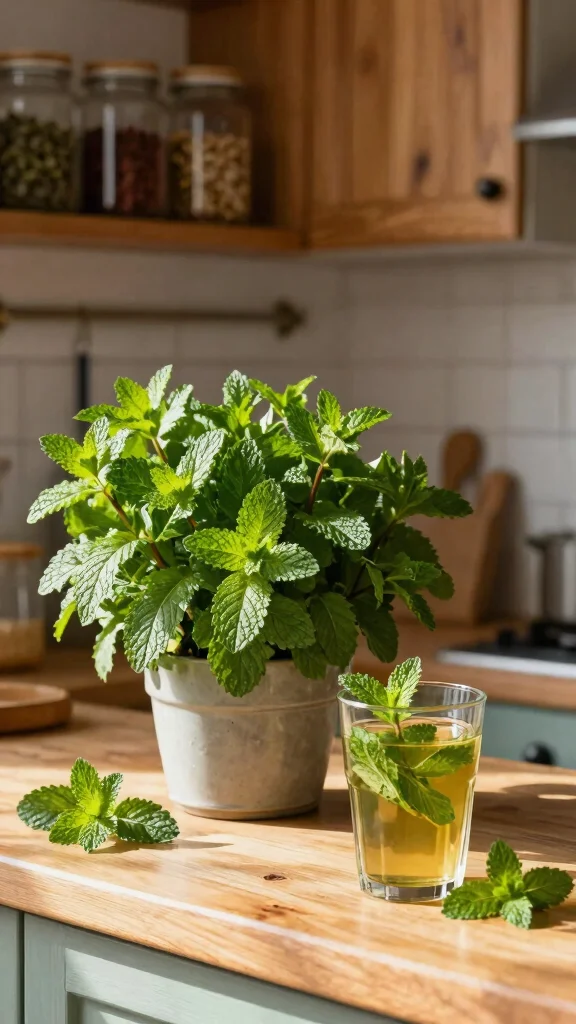
Feeling the need for something refreshing? Mint is your go-to herb! With its invigorating scent and versatile flavor, mint can enhance drinks, desserts, and savory dishes alike. It thrives in pots, making it a great addition to your kitchen garden, and is easy to care for with just a bit of sunlight and water.
Ingredients:
– 1 cup fresh mint leaves
– 2 cups water
– 2 tbsp honey
– 1 lime, juiced
Instructions:
1. Boil water in a saucepan.
2. Remove from heat and add mint leaves.
3. Steep for 5 minutes, then strain into a pitcher.
4. Stir in honey and lime juice until well combined.
5. Chill and serve with ice.
FAQs:
– How do I prevent mint from overtaking my garden? Grow it in containers to control its spread.
– Can I use dried mint in recipes? Yes, but fresh offers a brighter flavor.
Fun fact: Mint is one of the easiest kitchen plants. A single plant can yield fresh leaves for up to 4 weeks in a sunny spot, so you can snip regularly and boost drinks, desserts, and sauces.
4. Thyme – The Savory Herb
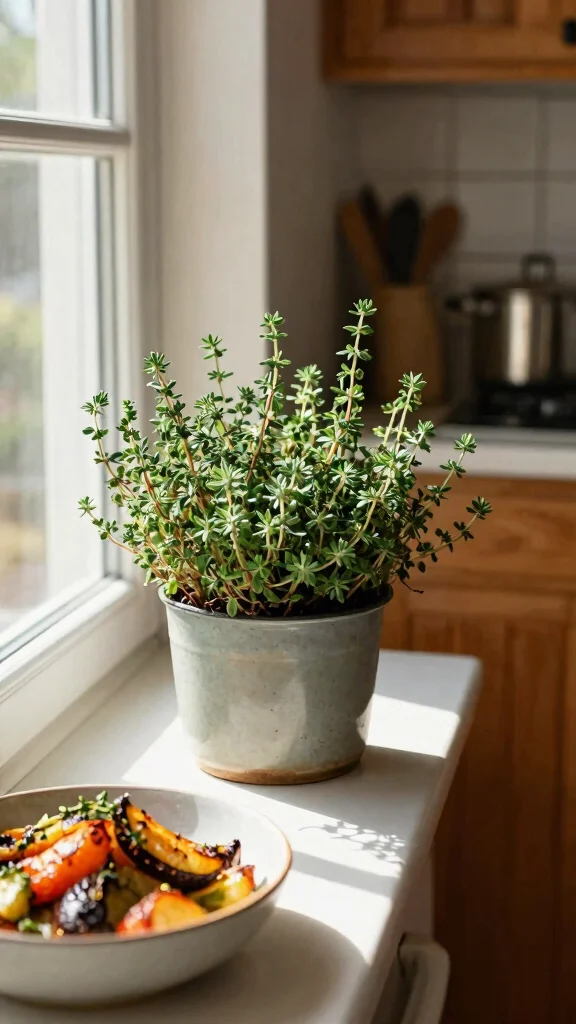
Want to infuse your meals with a savory depth? Thyme is the herb for you! With its earthy aroma and delicate leaves, thyme complements everything from roasted vegetables to hearty soups. It’s easy to grow, even for beginners, and its adaptability means it can thrive in various kitchen settings.
Ingredients:
– 4 cups mixed vegetables (carrots, zucchini, bell peppers)
– 2 tbsp fresh thyme
– 2 tbsp olive oil
– Salt and pepper to taste
Instructions:
1. Preheat the oven to 400°F (200°C).
2. Toss the vegetables with olive oil, thyme, salt, and pepper in a bowl.
3. Spread on a baking sheet in a single layer.
4. Roast for 25 minutes, stirring halfway through, until tender.
5. Serve hot as a side dish or on grains.
FAQs:
– Can I use dried thyme instead of fresh? Yes, just use less as dried is more concentrated.
– How should I care for my thyme plant? Ensure it gets enough sunlight and avoid waterlogging.
5. Oregano – The Italian Favorite
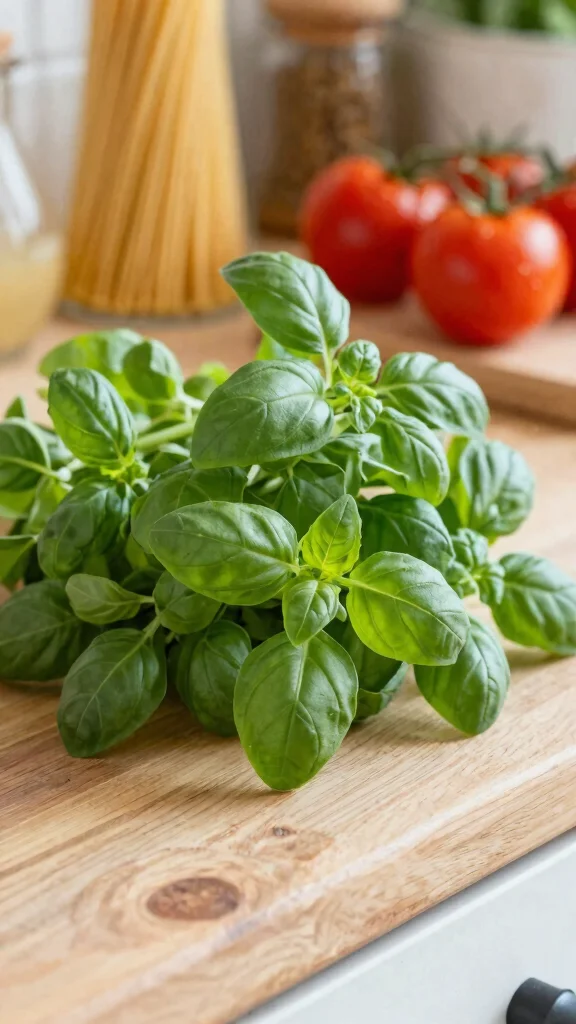
Craving that classic Italian flavor? Oregano is your answer! This hardy herb is perfect for adding a robust taste to tomato sauces, pizzas, and grilled meats. Oregano is low maintenance and thrives in sunny spots, making it an excellent choice for container gardening while also bringing beauty to your kitchen.
Ingredients:
– 2 cups cooked pasta
– 1 cup cherry tomatoes
– 2 tbsp fresh oregano
– 2 tbsp olive oil
– Salt and pepper to taste
Instructions:
1. In a large bowl, combine cooked pasta and halved cherry tomatoes.
2. Drizzle with olive oil and stir in oregano.
3. Season with salt and pepper to taste.
4. Serve warm or at room temperature.
FAQs:
– How can I store fresh oregano? Wrap it in a damp towel and refrigerate.
– Can I grow oregano indoors? Yes! It thrives in pots with enough sunlight.
6. Rosemary – The Fragrant Evergreen
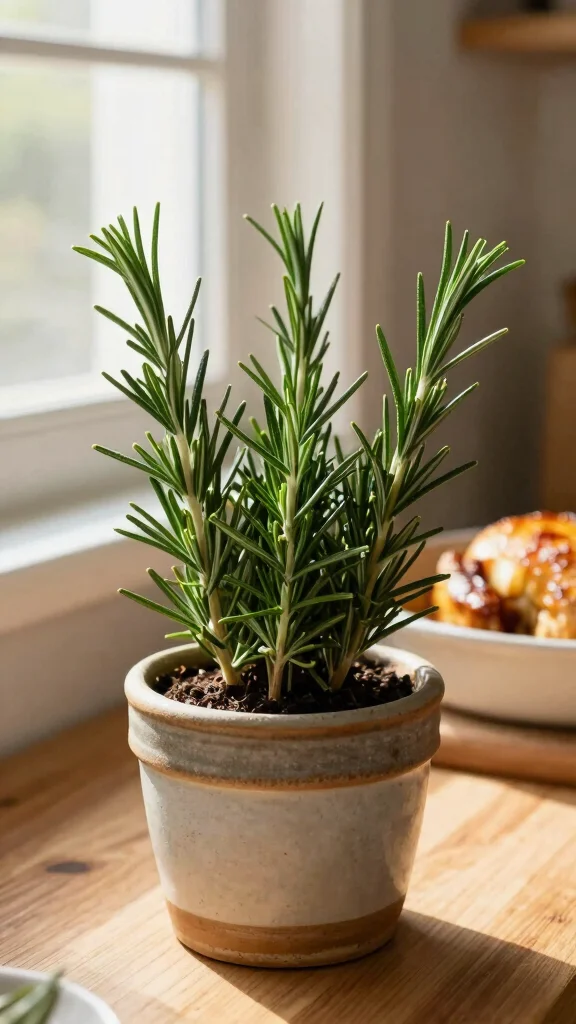
Looking for a herb that adds a fragrant touch to your dishes? Rosemary is your perfect companion! With its aromatic needles and woody stems, this herb enhances the flavor of roasted meats, stews, and even breads. It’s easy to grow in pots, making it a delightful addition to your kitchen garden.
Ingredients:
– 1 lb chicken thighs
– 2 tbsp fresh rosemary, chopped
– 3 cloves garlic, minced
– 2 tbsp olive oil
– Salt and pepper to taste
Instructions:
1. Preheat the oven to 375°F (190°C).
2. Mix olive oil, garlic, rosemary, salt, and pepper in a bowl.
3. Rub the mixture on chicken thighs.
4. Place chicken in a baking dish and roast for 30 minutes.
5. Let rest before serving.
FAQs:
– Can I freeze rosemary? Yes! Chop and freeze in ice cube trays for later use.
– How do I prevent rosemary from dying indoors? Ensure it gets plenty of light and avoid overwatering.
7. Cilantro – The Bold Flavor
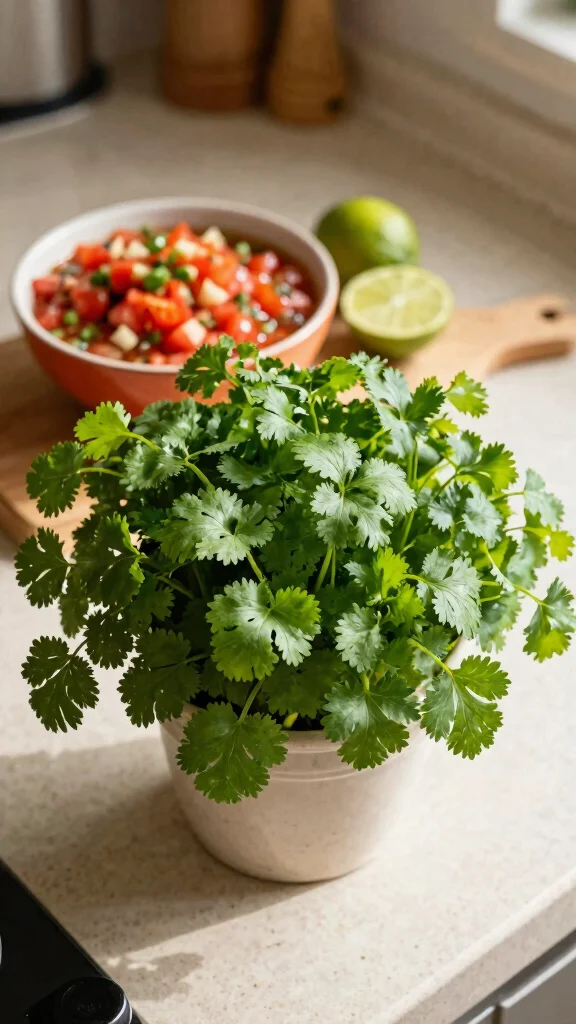
Want to add a burst of flavor to your dishes? Cilantro is the herb you need! Known for its unique taste, cilantro shines in salsas, curries, and salads. It grows quickly and can be harvested regularly, making it a vibrant addition to your kitchen that adds color and zest to every meal.
Ingredients:
– 2 cups cooked quinoa
– 1 cup black beans
– 1/2 cup chopped cilantro
– 1 lime, juiced
– Salt and pepper to taste
Instructions:
1. In a bowl, mix quinoa, black beans, and cilantro.
2. Drizzle with lime juice, salt, and pepper.
3. Toss well and serve chilled or at room temperature.
FAQs:
– How can I keep cilantro fresh? Store in a jar of water in the fridge, covered loosely with a plastic bag.
– Can I grow cilantro indoors? Yes! It loves a sunny windowsill.
8. Parsley – The Garnish with Purpose
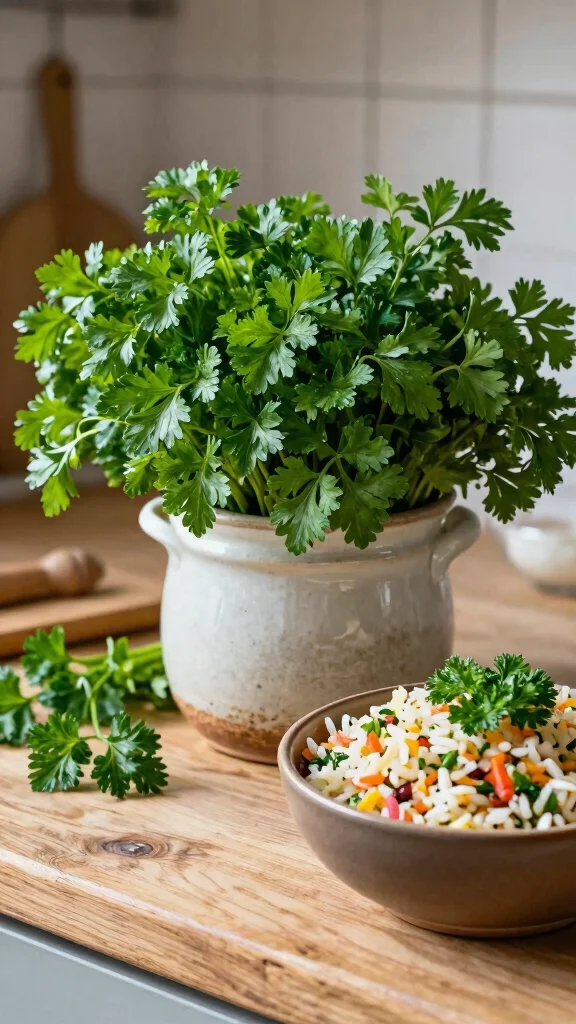
Think parsley is just a garnish? Think again! This herb brings a fresh, peppery flavor that enhances soups, salads, and meats. Parsley is versatile and can thrive in both sunny and shady spots, making it a must-have for your kitchen garden while also adding a pop of color to your meals.
Ingredients:
– 1 cup cooked rice
– 1 cup chopped parsley
– 1/2 cup cherry tomatoes, halved
– 2 tbsp olive oil
– Salt and pepper to taste
Instructions:
1. Combine rice, parsley, and cherry tomatoes in a serving bowl.
2. Drizzle with olive oil and season with salt and pepper.
3. Toss gently and serve warm or chilled.
FAQs:
– How do I store fresh parsley? Wrap in a damp paper towel and place in a plastic bag in the fridge.
– Can I grow parsley indoors? Yes, it thrives in pots on sunny windowsills.
9. Dill – The Unique Flavor
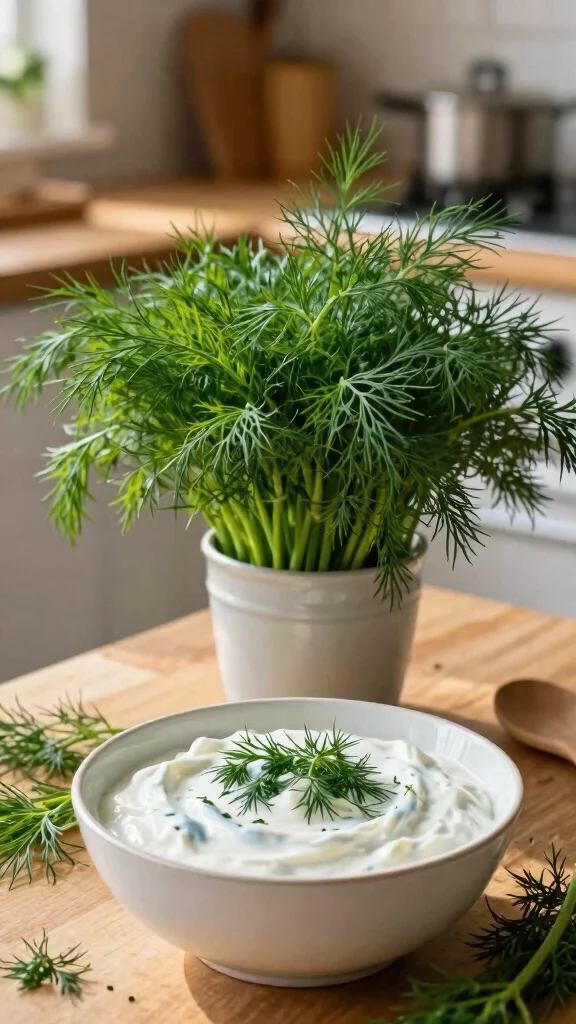
Craving a herb that stands out? Dill is just what you need! Its feathery leaves and distinctive taste enhance fish dishes, pickles, and salads. Dill is easy to grow in containers, making it perfect for small spaces, and it thrives in sunny spots with well-drained soil.
Ingredients:
– 1 cup plain yogurt
– 2 tbsp fresh dill, chopped
– 1 clove garlic, minced
– Salt and pepper to taste
Instructions:
1. Mix yogurt, dill, garlic, salt, and pepper in a bowl.
2. Chill in the fridge for at least 15 minutes.
3. Serve as a dip with fresh veggies or chips.
FAQs:
– How do I store fresh dill? Wrap in a damp towel and refrigerate.
– Can I grow dill indoors? Yes! It thrives in pots with enough light.
Ongoing Maintenance & Care Guide
To keep your kitchen plants vibrant and healthy, it’s important to follow a solid maintenance routine. This guide will help you ensure that your herb garden flourishes and provides fresh flavors for your cooking.
Maintenance Schedule:
Daily/Weekly Tasks:
– Watering: Check your plants daily. Most kitchen herbs need watering every 2-3 days. Adjust based on humidity levels. Time: 5-10 minutes.
– Pruning: Snip off any dead leaves or stems weekly. This encourages new growth. Time: 5 minutes.
– Sunlight Check: Rotate pots weekly to ensure even sunlight exposure. Time: 5 minutes.
Monthly/Seasonal Tasks:
– Fertilizing: Use a balanced liquid fertilizer every month during the growing season. Dilute according to package instructions. Time: 10 minutes.
– Repotting: Check if your plants are root-bound every few months. If they are, move them to larger containers. Time: 20-30 minutes.
– Pest Inspection: Look for pests monthly. If found, treat them with insecticidal soap or neem oil. Time: 10 minutes.
– Soil Refreshing: Replace the top 1-2 inches of soil every few months. This adds nutrients. Time: 15-20 minutes.
Maintenance Summary Table:
| Task | Frequency | Difficulty | Time Needed |
|————————–|—————–|—————|—————–|
| Watering | Daily/Weekly | Easy | 5-10 minutes |
| Pruning | Weekly | Easy | 5 minutes |
| Sunlight Check | Weekly | Easy | 5 minutes |
| Fertilizing | Monthly | Medium | 10 minutes |
| Repotting | Every few months| Medium | 20-30 minutes |
| Pest Inspection | Monthly | Medium | 10 minutes |
| Soil Refreshing | Every few months| Medium | 15-20 minutes |
Common Issues to Watch For:
⚠️ Wilting Leaves: If leaves droop, it may be a sign of underwatering or overwatering. Check the soil moisture level immediately.
⚠️ Yellowing Leaves: Yellow leaves can indicate over-fertilization or poor drainage. Ensure proper watering practices and check the pot for drainage holes.
⚠️ Pest Infestations: Look for tiny bugs or webs on your plants. If you see any, act quickly with pest control methods.
⚠️ Stunted Growth: Your plants may not be getting enough light. Move them to a sunnier spot to encourage growth.
⚠️ Mold on Soil Surface: This can happen due to excess moisture. Allow the soil to dry out between waterings and ensure good air circulation.
Care Tips:
💡 Use Quality Soil: Start with a high-quality potting mix. This gives your kitchen plants the nutrients they need to thrive.
💡 Keep a Watering Schedule: Use a calendar or app to remind you when to water and fertilize. Consistency is key for healthy growth.
💡 Create a Microclimate: Group your plants together. This can maintain humidity and make them happier overall.
💡 Use Natural Pest Remedies: Instead of harsh chemicals, try soap and water sprays or introduce beneficial insects. This keeps your kitchen plants safe.
💡 Enjoy Harvesting Regularly: Regularly pinch off leaves to encourage growth and flavor. This also keeps your herbs fresh for cooking!
With proper maintenance and care, your kitchen plants will flourish, bringing fresh flavors and a pop of color to your cooking. Enjoy the journey of growing your own herbs!
10. Nasturtium – The Edible Flower
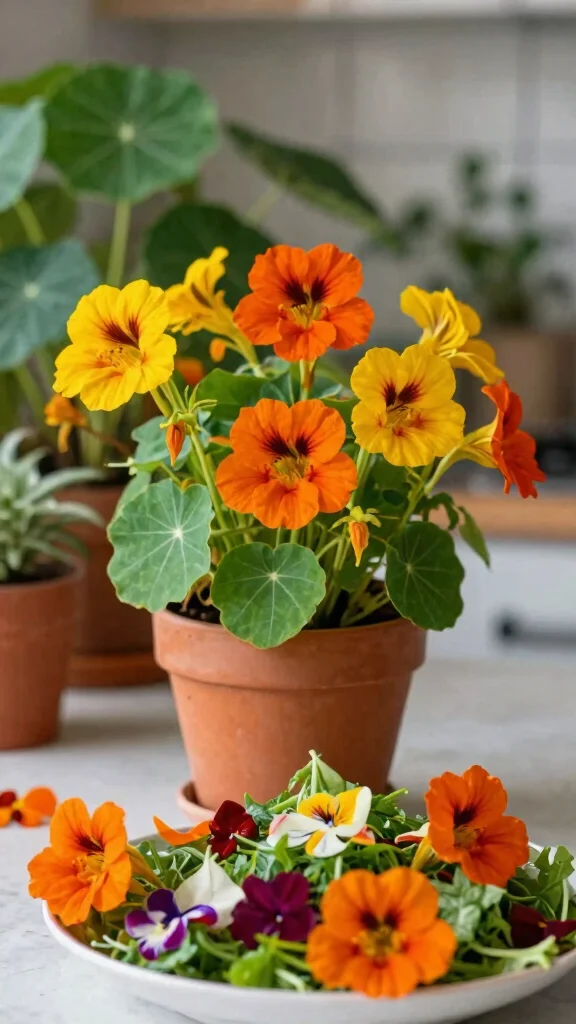
Want to add a splash of color and flavor to your meals? Nasturtium is the perfect edible flower! With its vibrant blooms and peppery taste, it enhances salads and garnishes beautifully. These plants thrive in containers and prefer full sun, making them a stunning and practical addition to your kitchen garden.
Ingredients:
– 2 cups mixed greens
– 1/2 cup nasturtium flowers
– 1/4 cup olive oil
– 1 tbsp lemon juice
– Salt and pepper to taste
Instructions:
1. Combine mixed greens and nasturtium flowers in a bowl.
2. Drizzle with olive oil and lemon juice.
3. Season with salt and pepper and toss gently.
4. Serve immediately as a fresh salad.
FAQs:
– Are nasturtiums easy to grow? Yes! They grow quickly and are very forgiving.
– Can I eat nasturtium seeds? Yes, they are edible and have a peppery flavor.
Fun fact: Nasturtium blossoms are edible and can brighten your salads with a peppery zing. A single compact nasturtium plant can yield about 10-15 edible flowers per week in full sun, making it a perfect kitchen plants addition for small spaces.
11. Sage – The Earthy Herb
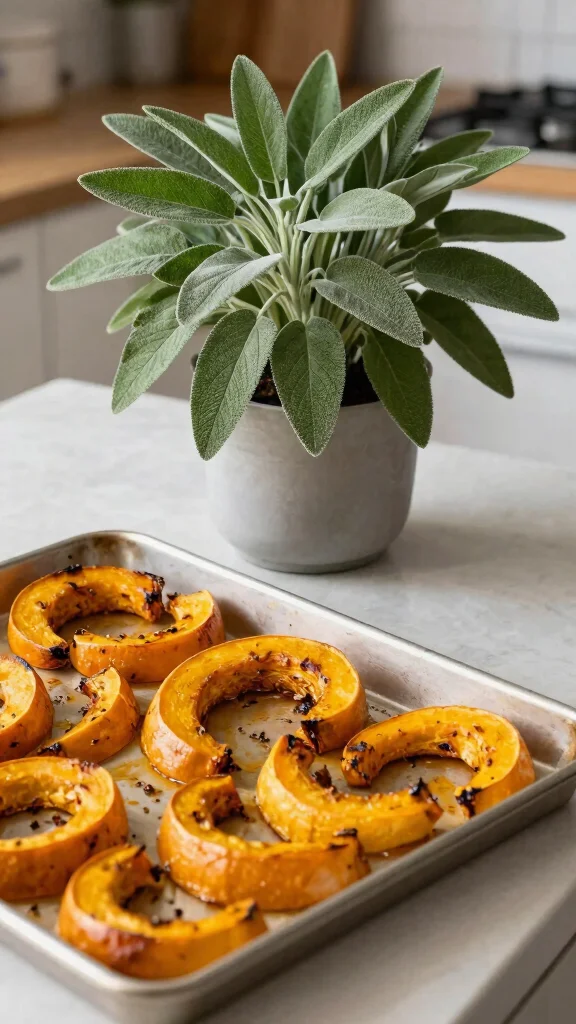
Looking for a robust herb to enhance your savory dishes? Sage is a wonderful choice! Its earthy flavor is perfect for poultry, sausages, and stuffing, while its soft leaves add elegance to your herb garden. Sage thrives in well-drained soil and loves full sun, making it ideal for container gardening.
Ingredients:
– 4 cups butternut squash, cubed
– 2 tbsp fresh sage, chopped
– 3 tbsp olive oil
– Salt and pepper to taste
Instructions:
1. Preheat the oven to 400°F (200°C).
2. Toss butternut squash with olive oil, sage, salt, and pepper in a bowl.
3. Spread on a baking sheet in a single layer.
4. Roast for 20 minutes until tender.
5. Enjoy as a side dish or on a salad.
FAQs:
– Can I use dried sage instead of fresh? Yes, but use less as dried herbs are more concentrated.
– How do I care for my sage plant? Ensure it receives enough sunlight and avoid overwatering.
12. Fennel – The Unique Addition
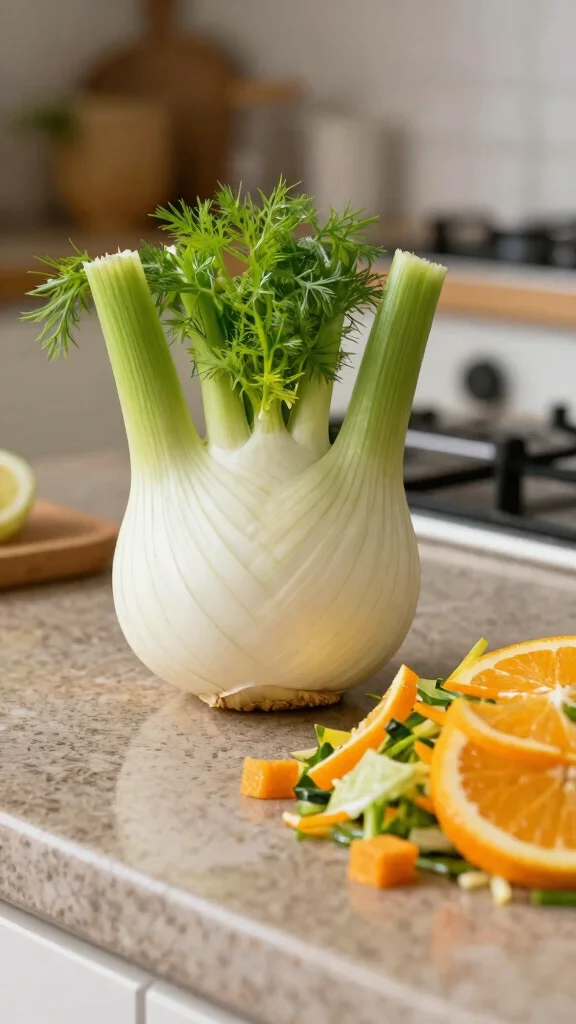
Want to explore a unique flavor in your cooking? Fennel offers a delightful taste reminiscent of licorice! Its fronds add freshness to salads, while the crunchy bulb works wonders in various dishes. Fennel is perfect for small spaces, thriving in pots or containers with full sun and regular watering.
Ingredients:
– 1 fennel bulb, sliced
– 2 oranges, segmented
– 2 tbsp olive oil
– Salt and pepper to taste
Instructions:
1. Combine sliced fennel and orange segments in a shallow dish.
2. Drizzle with olive oil and season with salt and pepper.
3. Toss gently and serve immediately.
FAQs:
– How do I store fresh fennel? Wrap in the fridge, and it should last about a week.
– Can I grow fennel indoors? Yes! It can thrive in pots with proper care.
Love kitchen plants that fit a balcony? Fennel proves small spaces can deliver big flavor. Fresh fronds brighten salads, and the bulb adds crunch—perfect for busy cooks.
13. Lemon Balm – The Sweet Citrus
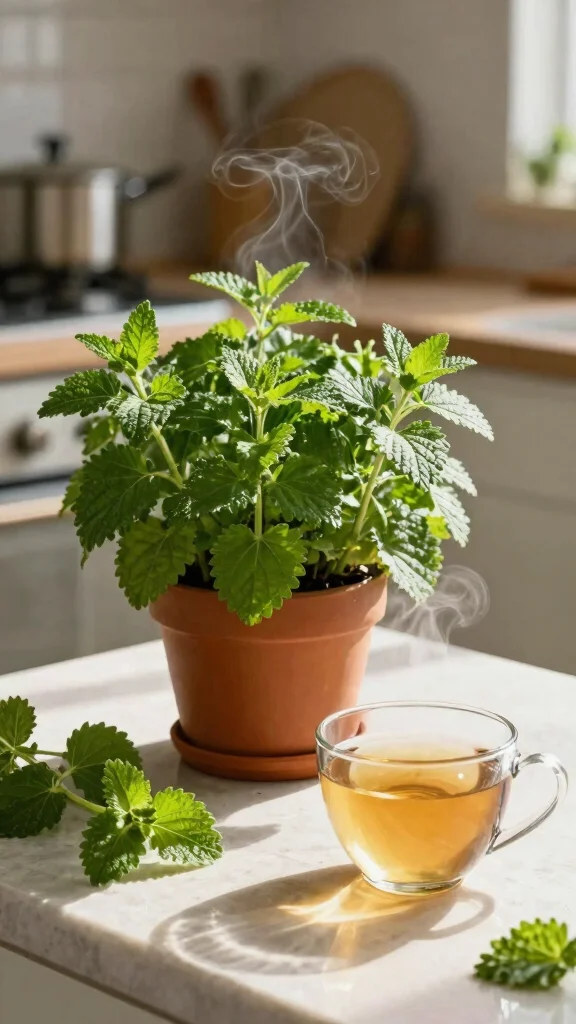
Craving a sweet citrus aroma in your kitchen? Lemon balm is the herb for you! This delightful plant adds a refreshing fragrance and flavor to teas, desserts, and salads. It’s easy to grow in pots and prefers partial sunlight, making it a charming addition to any home.
Ingredients:
– 1 cup lemon balm leaves
– 2 cups water
– 2 tbsp honey
Instructions:
1. Boil water in a saucepan.
2. Remove from heat and add lemon balm leaves.
3. Steep for 5 minutes, then strain into a cup.
4. Stir in honey until dissolved.
5. Serve warm or chilled.
FAQs:
– How do I care for lemon balm? Keep it in a bright spot and water regularly.
– Can I use lemon balm in cooking? Yes! It enhances a variety of dishes with its lemony flavor.
Conclusion
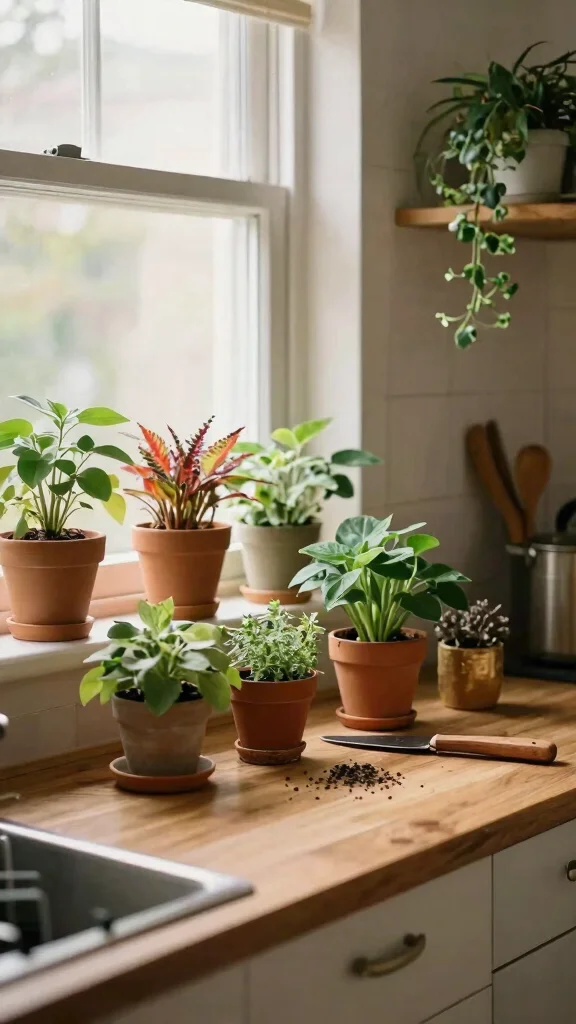
Incorporating kitchen plants into your cooking space is not just about aesthetics; it’s about enriching your culinary experience with fresh flavors and vibrant colors.
Whether you’re a seasoned chef or just starting your culinary journey, these herbs can elevate your dishes while adding a personal touch to your kitchen. Embrace the joy of gardening—even in small spaces—and let your kitchen flourish with the beauty and tastes of homegrown herbs.
Note: We aim to provide accurate product links, but some may occasionally expire or become unavailable. If this happens, please search directly on Amazon for the product or a suitable alternative.
This post contains Amazon affiliate links, meaning we may earn a small commission if you purchase through our links, at no extra cost to you.
Frequently Asked Questions
Which kitchen plants are best for small spaces and busy cooks?
When space is tight, start with compact kitchen plants that thrive in containers and sun.
Try herbs that do well in container gardening like basil, chives, thyme, oregano, and parsley, plus edible flowers like nasturtium.
Place them on a sunny windowsill or a small shelf and group into a kitchen herb garden for easy access. Water with a light, regular schedule and ensure drainage; rotate pots to keep growth even.
How can I set up an indoor herb garden for fresh flavor year-round?
Start by choosing a sunny spot (south-facing window) or add grow lights to support indoor gardening year-round.
Use small, shallow containers and high-quality potting mix with good drainage, creating a simple kitchen herb garden on a windowsill or countertop.
Begin with 3-4 easy edible plants like basil, thyme, oregano, and mint; water when the top inch of soil dries and feed monthly with a diluted fertilizer. Harvest leaves regularly to encourage ongoing production so you always have fresh flavor for cooking.
What beginner-friendly edible plants add color and flavor to meals?
Look for forgiving herbs and greens that brighten dishes and small spaces.
Try edible plants like basil, cilantro, mint, parsley, and chives, with colorful varieties like purple basil or variegated thyme to add visual interest.
Add edible flowers such as nasturtium for peppery color and microgreens for quick harvest. With proper light and airflow in indoor gardening in container gardening, you’ll have tasty color on your plates in no time.
How do I care for a kitchen herb garden to maximize flavor and yield?
Keep herbs thriving with regular pruning and harvests; trim stems just above leaf nodes to encourage bushiness and more harvestable growth.
Water consistently, letting the top inch of soil dry between drinks, and ensure pots have drainage. Feed lightly with a diluted fertilizer and rotate pots as plants grow; catch pests early with simple remedies. Harvest in the morning to preserve aroma for cooking, and you’ll maximize flavor for your kitchen plants and kitchen herb garden repertoire.
What are space-saving container ideas for a kitchen herb garden?
Think vertical and portable. Use wall-mounted container gardening solutions like tiered shelves, window boxes, magnetic planters on the fridge, and hanging baskets.
A rolling cart or pegboard with pots keeps indoor gardening accessible and flexible for small kitchens. Group herbs with similar light needs, keep a sunlit corner, and choose drainage-friendly pots to create a practical kitchen herb garden on any counter or windowsill.
Related Topics
kitchen plants
herb gardening
edible plants
indoor gardening
container gardening
small space gardening
beginner friendly
fresh herbs
culinary gardening
easy care plants
kitchen herb garden
seasonal gardening