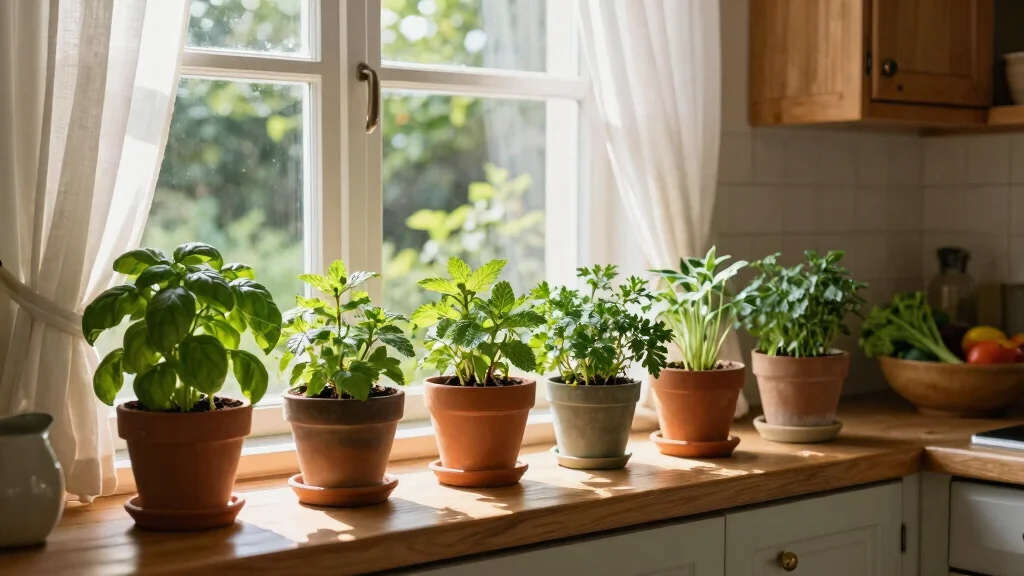
When it comes to creating a vibrant and inviting kitchen, incorporating plants can make all the difference. This post is inspired by the simple joy of having fresh herbs and lively greenery right at your fingertips, especially during the bustling moments of cooking. If you’ve ever felt the need for a little life in your kitchen or dreamt of having your own herb garden but thought you didn’t have the space, you’re in the right place.
This guide is crafted for those passionate about small-space gardening and looking to enhance their cooking experience with easy-to-care-for kitchen window plants. Whether you’re an experienced gardener or just starting out with indoor plants, this list of 13 thriving options will be your go-to resource. You’ll discover not just herbs, but also some delightful low-light plants that can beautify your space year-round. Get ready to transform your kitchen into a green haven with these practical and inspiring ideas!
In this post, you’ll find a variety of plant options that will not only elevate your cooking but also improve your kitchen’s atmosphere. You’ll learn about vibrant herbs, air-purifying plants, and tips for keeping them healthy and thriving, even in smaller spaces. Prepare to explore a world of kitchen window plants that are accessible, enjoyable, and beneficial for your cooking and living environment.
Key Takeaways
– Diverse Plant Options: This guide features 13 kitchen window plants, including herbs like basil and mint, as well as indoor plants like aloe vera and spider plants.
– Year-Round Enjoyment: All the plants listed thrive throughout the year, ensuring you have greenery and fresh herbs available regardless of the season.
– Space-Saving Solutions: Each plant is ideal for small spaces, making it perfect for anyone looking to add greenery to their kitchen without taking up too much room.
– Beginner-Friendly: The plants chosen are easy to care for, making them suitable for both novice gardeners and those who want low-maintenance indoor options.
– Health Benefits: Many of the plants not only enhance your culinary creations but also improve air quality, promoting a healthier kitchen environment.
1. Basil: The Aromatic Favorite
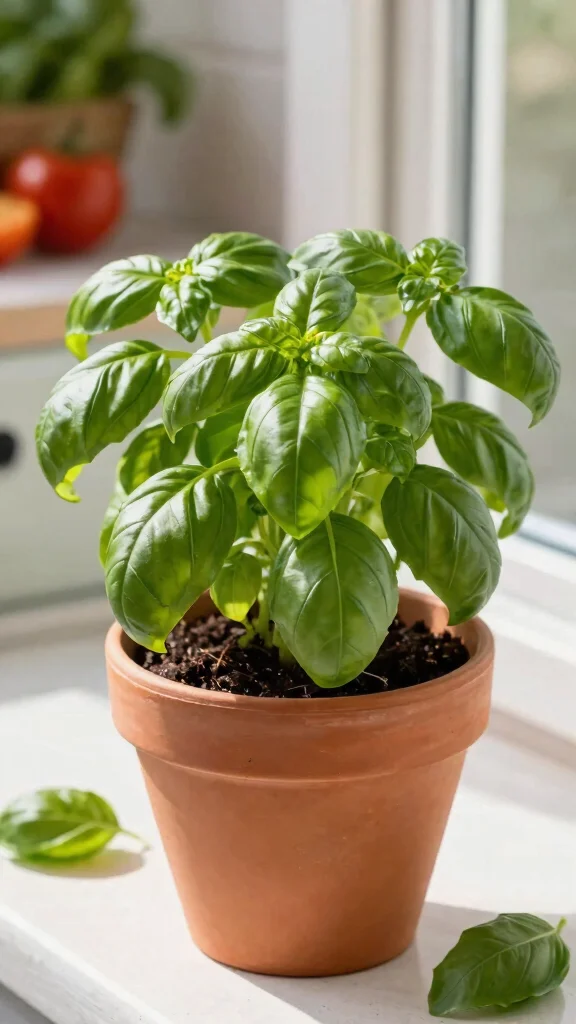
If you’re looking to add a burst of flavor to your dishes, basil is the herb you need! This aromatic favorite thrives in sunny kitchen windows, where its vibrant green leaves can soak up the light. From enhancing pasta sauces to enlivening salads, basil’s delightful taste and lovely fragrance make it a kitchen essential.
Not only does basil taste fantastic, but it also brings health benefits, offering vitamins and antioxidants. It’s easy to grow, making it perfect for beginners. Just keep the soil moist but not soaked, and snip off any flowers to promote bushier growth. You can even propagate it in water for a fun gardening project!
– Sunlight Needs: 6-8 hours of direct sunlight
– Watering: Once the top inch of soil feels dry
– Fertilization: Every 4-6 weeks with a balanced fertilizer
Use fresh basil in your favorite dishes, and enjoy the aroma it brings to your cooking space!
2. Mint: The Refreshing Herb
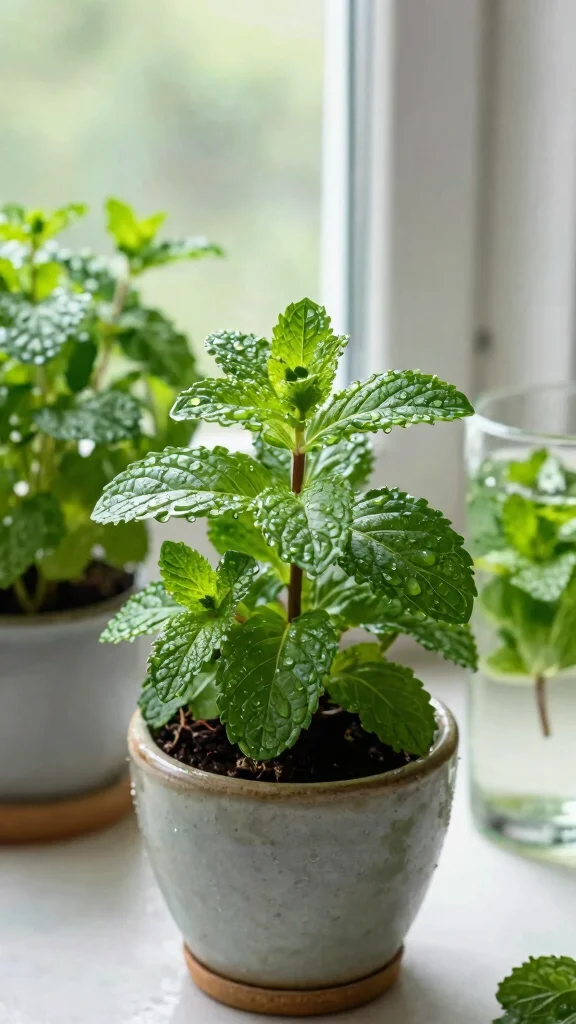
Craving something fresh and invigorating? Mint is your go-to herb! This hardy plant thrives in your kitchen window, adding a refreshing touch to teas, desserts, and more. Its vibrant leaves and uplifting scent can transform everyday meals into something special.
Mint is not only easy to grow, but it also offers digestive benefits. It prefers partial to full sunlight and likes its soil to stay moist. Just a heads up—mint can spread quickly, so it’s best to keep it in a separate pot. Regular harvesting will ensure a steady supply of this delightful herb!
– Sunlight Needs: 4-6 hours of indirect sunlight preferred
– Watering: Keep the soil moist but well-drained
– Fertilization: Use a light fertilizer every month
Fresh mint can elevate your culinary creations and even freshen your breath!
3. Chives: The Versatile Green
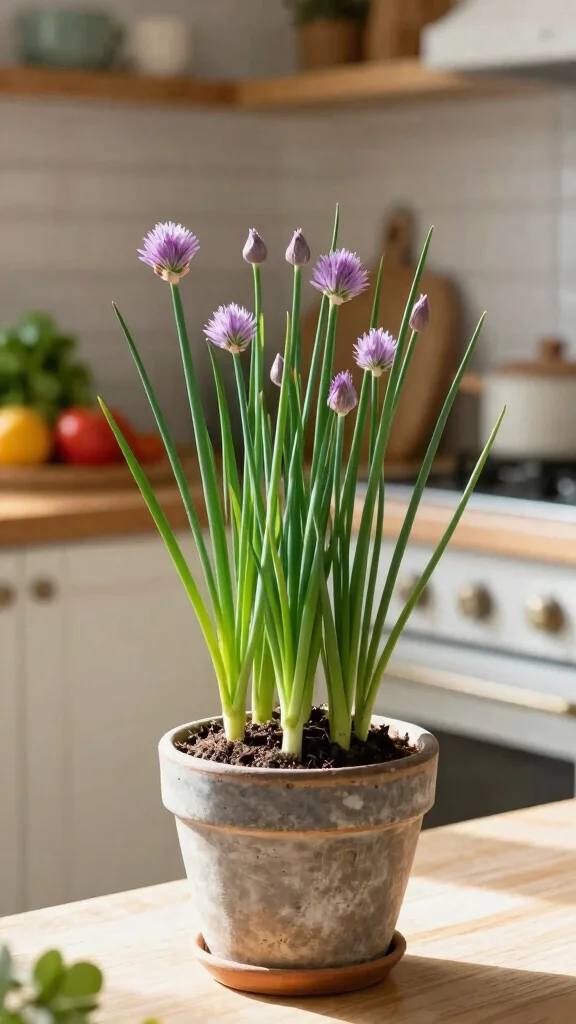
Searching for an easy way to add a mild onion flavor to your dishes? Chives are perfect for you! This resilient herb grows well in various conditions and is ideal for small spaces, thriving in the bright light of your kitchen window.
Chives are low-maintenance and can be snipped directly from their pots, ensuring fresh herbs at your fingertips. They grow in clumps, adding beautiful purple flowers in spring. Water them when the top layer of soil feels dry for optimal growth.
– Sunlight Needs: 6 hours of direct sunlight
– Watering: Regularly water until the soil is slightly moist
– Fertilization: Fertilize sparingly; too much can reduce flavor intensity
Chives not only enhance your dishes with flavor but also add a touch of color, making them a staple for any home cook.
4. Parsley: The Garnish Hero
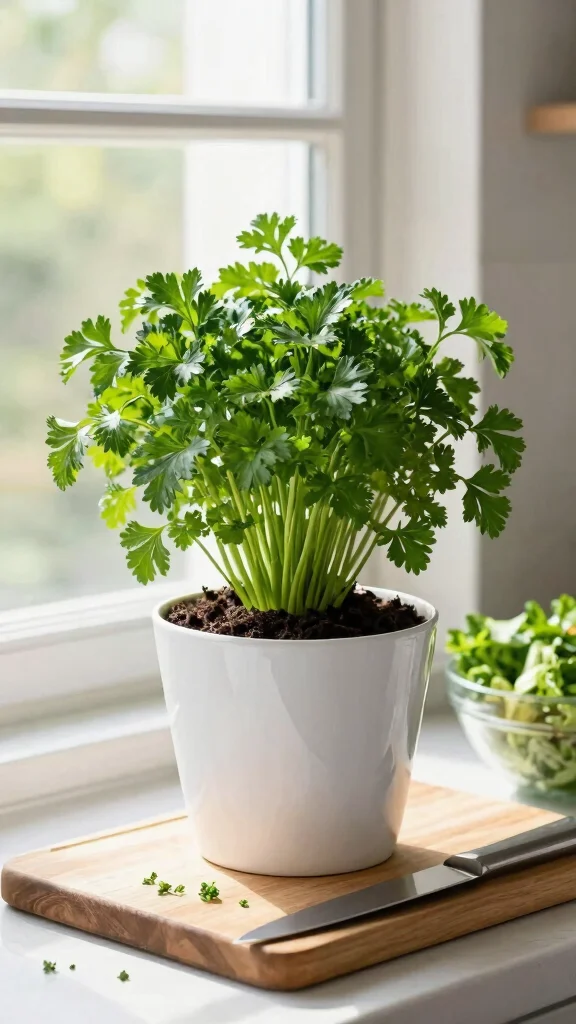
Looking for a versatile herb that can elevate your dishes? Parsley is an excellent choice! Whether you prefer flat-leaf or curly-leaf varieties, this herb adds a fresh taste to everything from soups to salads, and it’s packed with vitamins A, C, and K.
Parsley thrives in bright light but can handle some shade, making it adaptable for different lighting conditions. Just remember to water it when the soil feels dry, avoiding sogginess. Snipping the outer leaves encourages even more growth, so you’ll always have fresh herbs on hand!
– Sunlight Needs: 4-6 hours of direct sunlight
– Watering: Keep soil moist but not waterlogged
– Fertilization: Use a diluted liquid fertilizer every 4-6 weeks
With its fresh flavor and attractive look, parsley is the herb to keep around for any culinary adventure.
5. Oregano: The Mediterranean Touch
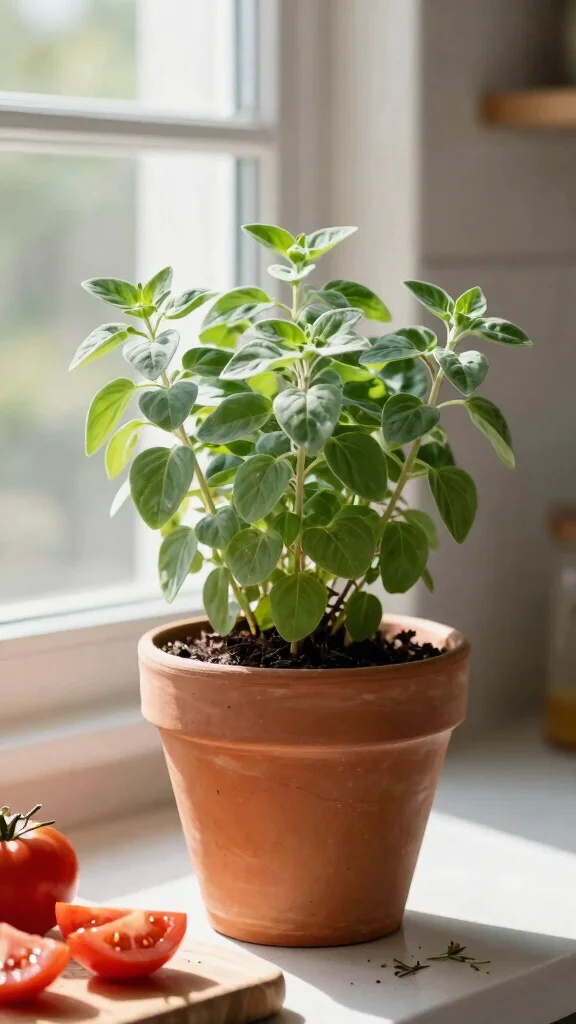
If you love Mediterranean flavors, oregano is a must-have in your herb garden! Known for its robust taste, this perennial herb flourishes in sunny conditions, making it ideal for year-round gardening in your kitchen.
Plant oregano in well-draining soil and ensure it gets plenty of sunlight to enhance its aromatic qualities. Water it moderately, allowing the top layer of soil to dry out between waterings. This herb is fantastic in Italian dishes, from pasta sauces to pizzas!
– Sunlight Needs: 6-8 hours of full sunlight
– Watering: Allow topsoil to dry out before watering again
– Fertilization: Use a balanced fertilizer once a month
With its fragrant leaves and culinary versatility, oregano can elevate your meals with a touch of the Mediterranean.
6. Rosemary: The Fragrant Evergreen
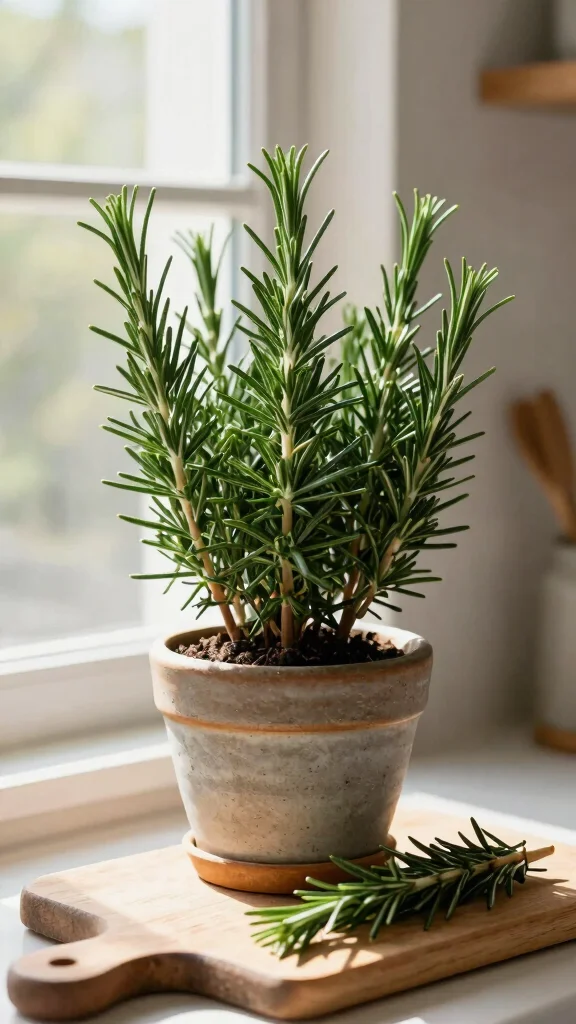
Looking for a herb that combines beauty and flavor? Rosemary is the perfect choice! Known for its needle-like leaves, this evergreen herb thrives in bright sunlight and can handle occasional forgetfulness when it comes to watering.
Rosemary prefers well-draining soil that dries out between waterings. It’s excellent for roasting meats, enhancing soups, or infusing oils. The fresh scent of rosemary can also uplift your mood!
– Sunlight Needs: 6-8 hours of direct sunlight
– Watering: Allow soil to dry out before rewatering
– Fertilization: Use a low-nitrogen fertilizer once in spring
With its strong aroma and culinary applications, rosemary can become a key component in your kitchen herb collection.
Fun fact: Rosemary loves 6-8 hours of direct sunlight and dries out between waterings, making it one of the top kitchen window plants ideas. With well-draining soil and occasional mist, you can harvest fragrant sprigs for roasting, soups, or oils.
7. Thyme: The Tiny Wonder
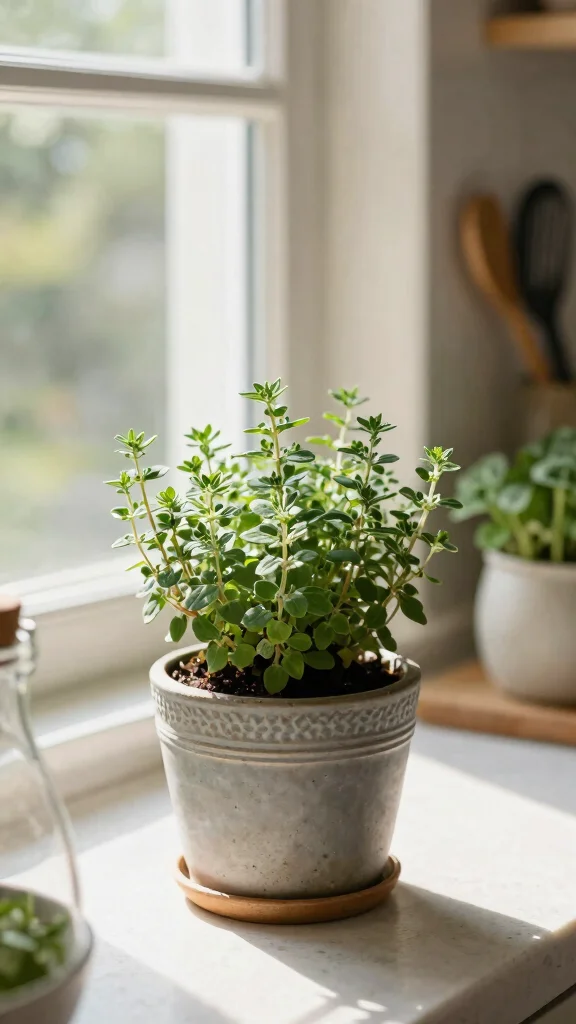
Want a charming herb that packs a flavor punch? Thyme is your answer! This versatile herb complements everything from meats to vegetables and thrives in bright light, making it perfect for indoor gardening.
Thyme requires at least six hours of sunlight daily and prefers to dry out a bit between waterings. Use it fresh or dried to add warmth to your dishes, and feel free to harvest regularly for bushier growth!
– Sunlight Needs: 6 hours of direct sunlight
– Watering: Allow soil to dry out between waterings
– Fertilization: A light application of fertilizer every 4 weeks
Thyme’s earthy flavor can enhance your meals, and having it in your kitchen window makes it easily accessible when inspiration strikes!
8. Cilantro: The Bold Flavor
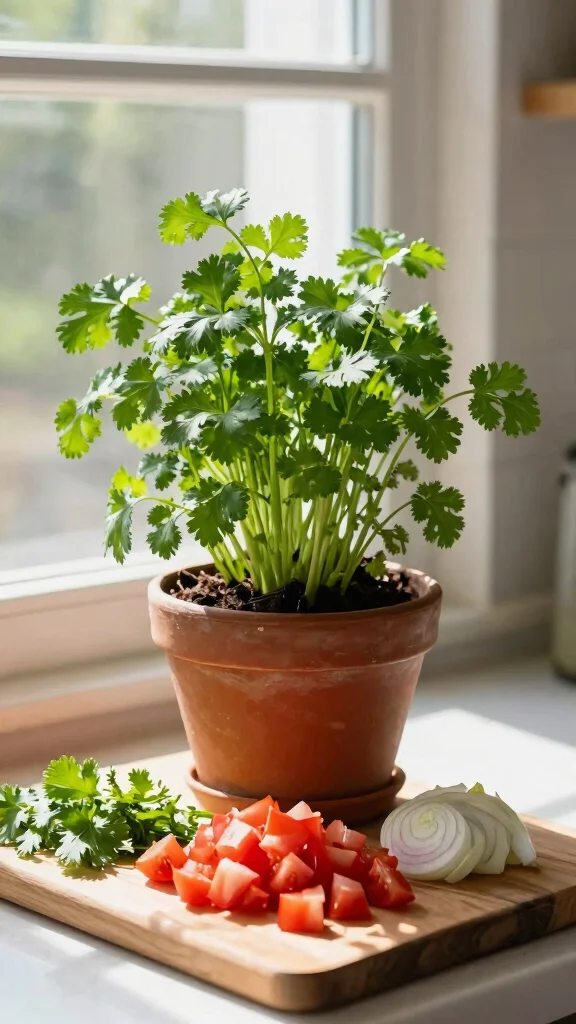
If bold flavors excite you, cilantro is the herb to grow! Thriving in cooler temperatures and plenty of sunlight, this herb is perfect for your kitchen window. It adds a zesty kick to salsas, curries, and salads, enhancing your meals with its unique taste.
Cilantro prefers well-draining soil and should be kept slightly moist, as it doesn’t like dry conditions. You can snip its leaves as needed, but avoid over-harvesting to ensure continuous growth.
– Sunlight Needs: 6 hours of direct sunlight
– Watering: Keep the soil consistently moist
– Fertilization: Fertilize lightly every 4-6 weeks
With its bright flavor, cilantro is sure to elevate your culinary creations and is a fun addition to any herb garden!
9. Sage: The Sage of the Kitchen
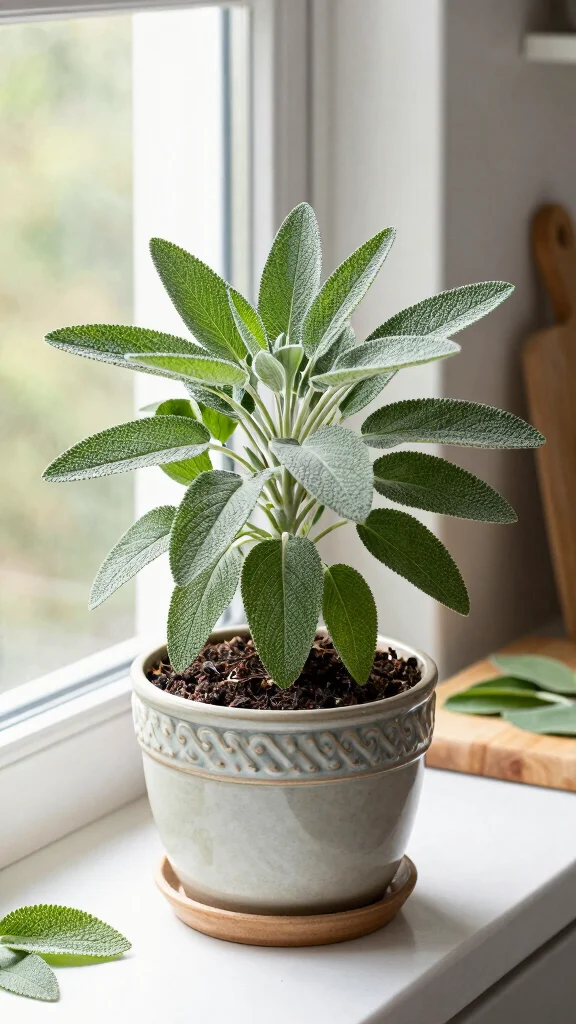
Sage is a kitchen favorite known for its earthy, peppery flavor! Thriving in warm, sunny conditions, this hardy herb is perfect for your kitchen window. It enhances hearty dishes like stuffing and roasted meats, adding a comforting touch to meals.
Sage prefers moderately watered, well-draining soil and doesn’t require constant moisture, making it suitable for those who may forget to water. As the plant matures, you can harvest leaves whenever needed for cooking.
– Sunlight Needs: 6-8 hours of full sunlight
– Watering: Water when the top inch feels dry
– Fertilization: Light fertilizer once in spring
With its lovely aroma and culinary uses, sage is essential for any home cook looking to effortlessly spice up their dishes.
Ongoing Maintenance & Care Guide
Maintaining your kitchen window plants is essential for their health and productivity. Here’s a practical guide to keep your herbs and greenery thriving year-round.
Maintenance Schedule:
Daily/Weekly Tasks:
– Watering: Check soil moisture and water if it’s dry to the touch. This usually takes about 5 minutes.
– Light Check: Rotate pots to ensure even sunlight exposure. This will take about 2 minutes.
– Pest Inspection: Look for signs of pests like aphids or spider mites. This task should take around 5 minutes.
Monthly/Seasonal Tasks:
– Fertilization: Use a balanced fertilizer every month during the growing season. This will take about 10 minutes.
– Pruning: Trim back overgrown stems to encourage new growth. Plan for about 15-20 minutes each month.
– Repotting: If plants are root-bound, repot into a larger container every 6-12 months. This task can take around 30 minutes.
– Dusting Leaves: Wipe leaves with a damp cloth to remove dust and allow better light absorption. Expect to spend about 10 minutes.
Maintenance Summary Table:
| Task | Frequency | Difficulty | Time Needed |
|————————–|——————-|————|————-|
| Watering | Daily/Weekly | Easy | 5 minutes |
| Light Check | Daily/Weekly | Easy | 2 minutes |
| Pest Inspection | Daily/Weekly | Easy | 5 minutes |
| Fertilization | Monthly | Easy | 10 minutes |
| Pruning | Monthly | Medium | 15-20 minutes|
| Repotting | Every 6-12 months | Medium | 30 minutes |
| Dusting Leaves | Monthly | Easy | 10 minutes |
Common Issues to Watch For:
⚠️ Yellowing Leaves: Often a sign of overwatering. Check the soil moisture level. If it’s soggy, hold off on watering.
⚠️ Wilting Plants: This could indicate underwatering or too much direct sunlight. Look for signs of dryness in the soil and adjust watering or light exposure as needed.
⚠️ Brown Leaf Tips: This may suggest low humidity levels. Keep an eye on moisture levels, especially in winter.
⚠️ Pests: If you see webs or tiny insects on plants, it’s time to treat for pests. Regular inspections help catch these issues early.
⚠️ Moldy Soil: This can indicate overwatering or lack of drainage. Consider repotting in fresh soil with better drainage.
Care Tips:
💡 Choose the Right Container: Use pots with drainage holes to prevent water from accumulating. This helps avoid root rot.
💡 Use Quality Soil: A well-draining potting mix is key for healthy growth. Look for soil that retains moisture but allows excess to escape.
💡 Maintain Consistent Temperature: Keep plants away from drafts or heat sources. Ideal indoor temperatures for herbs are between 65-75°F.
💡 Provide Adequate Light: Most herbs love bright, indirect sunlight. If your window doesn’t get enough light, consider using grow lights.
💡 Stay Alert for Changes: Watch how your plants respond to changes in their environment. Adjust watering, light, and humidity levels accordingly.
By following this maintenance and care guide, you’ll ensure your kitchen window plants flourish all year round. Happy gardening!
10. Dill: The Delicate Herb
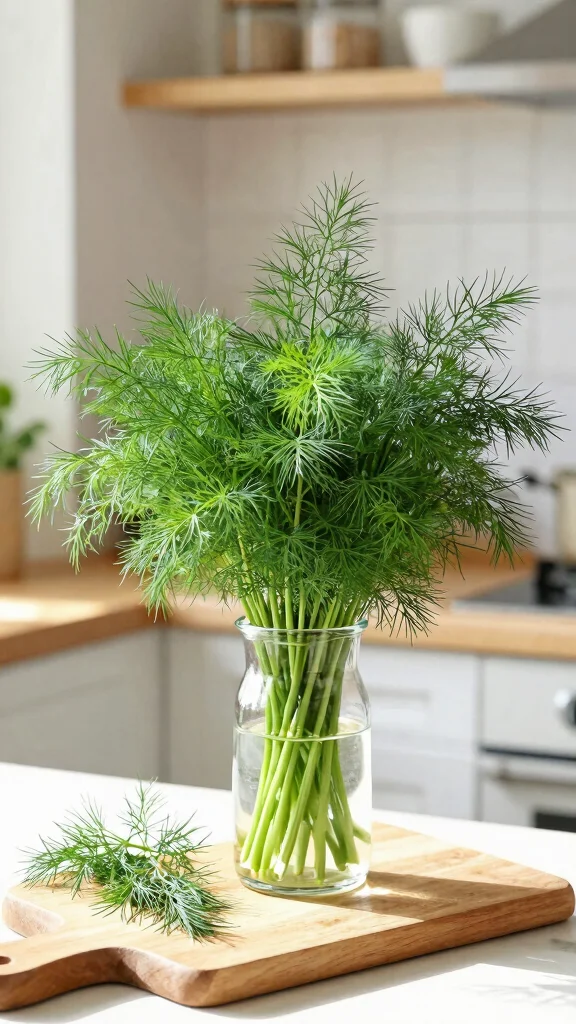
If you’re looking for an herb that adds both beauty and flavor, dill is a fantastic choice! With its feathery leaves, dill loves bright, sunny conditions and well-draining soil. It pairs wonderfully with fish, salads, and pickles, making it a flavorful addition to your kitchen.
Dill grows tall and can be harvested regularly for fresh leaves. Water it when the top layer of soil feels dry, as it doesn’t need as much water as some other herbs. Plus, dill attracts beneficial insects, making it a great companion plant!
– Sunlight Needs: 6-8 hours of direct sunlight
– Watering: Water moderately, allowing to dry out slightly
– Fertilization: Use a balanced fertilizer every month
With its delicate appearance and flavorful leaves, dill can elevate your meals and enhance your herb garden’s beauty.
11. Lemongrass: The Tropical Touch
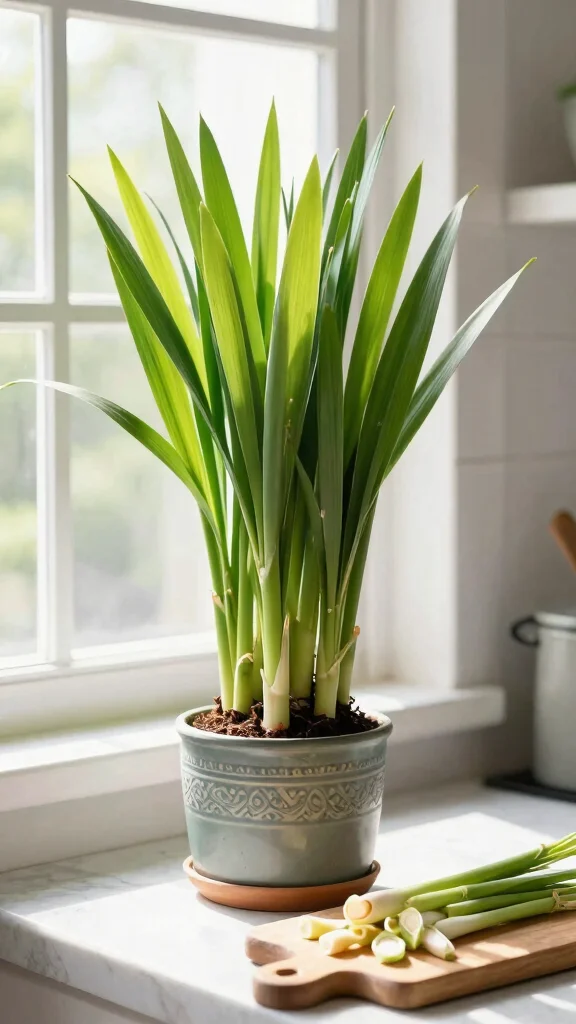
Want to bring a tropical vibe into your kitchen? Lemongrass is the herb for you! Known for its citrusy flavor, it’s a fantastic addition to soups, curries, and teas. Lemongrass thrives in bright sunlight and moist soil, making it a joy to grow in your kitchen.
Plant it in a pot with good drainage and ensure it gets plenty of light. Regular watering is key, but avoid overwatering. You can even propagate lemongrass by cutting a stalk and placing it in water until roots develop!
– Sunlight Needs: 6-8 hours of direct sunlight
– Watering: Keep soil consistently moist
– Fertilization: Monthly feeding with a balanced fertilizer
With its refreshing aroma and culinary versatility, lemongrass adds unique flavor and beauty to your kitchen herb garden.
12. Aloe Vera: The Healing Plant
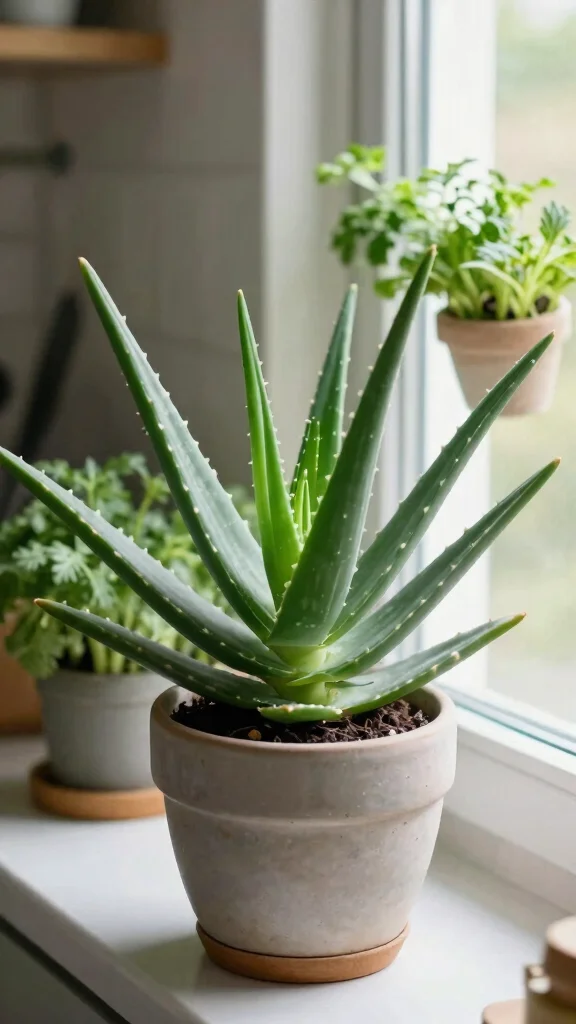
Aloe Vera is more than just a pretty plant; it’s a multitasking powerhouse! Known for its soothing properties for skin, this low-maintenance plant thrives in bright, indirect sunlight. Having aloe in your kitchen window can provide natural relief for burns and skin irritations.
Aloe prefers well-draining soil and should be watered every 2-3 weeks, allowing the soil to dry out completely between waterings. It’s a beautiful addition that requires minimal effort but offers great rewards!
– Sunlight Needs: 6-8 hours of indirect sunlight
– Watering: Allow soil to dry out completely between waterings
– Fertilization: Light fertilizer once in spring
With its healing properties and unique aesthetic, aloe vera is a lovely companion plant, combining beauty and functionality effortlessly.
Did you know Aloe Vera has over 200 active compounds that soothe skin? For practical kitchen window plants ideas, place it in bright indirect light and water only every 2-3 weeks, letting the soil dry fully between waterings. Aloe thrives on minimal fuss.
13. Spider Plant: The Air Purifier
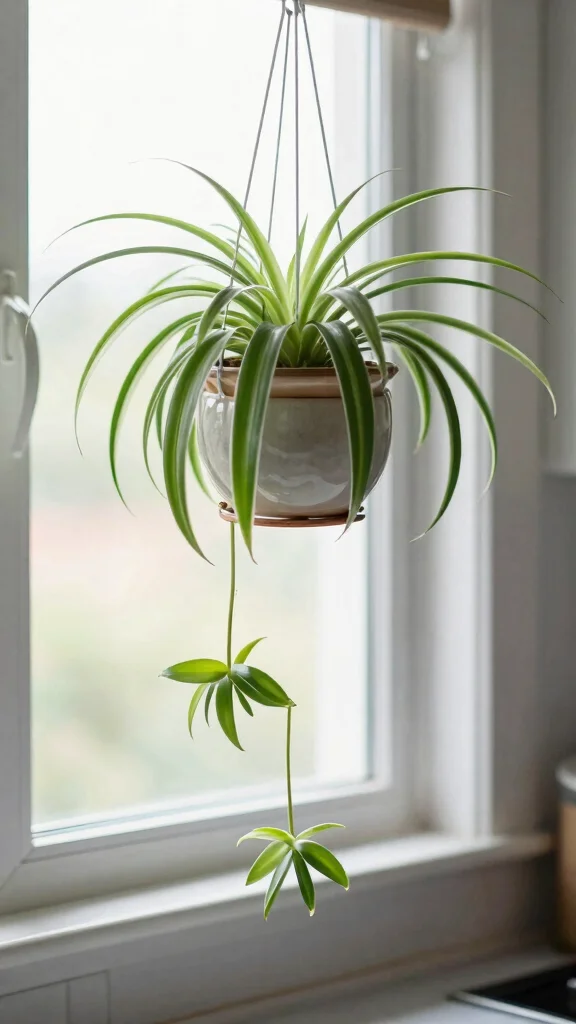
While not an herb, the spider plant deserves a spot in your kitchen window! Known for its air-purifying qualities, it’s perfect for beginners and thrives in indirect sunlight. This resilient plant produces ‘babies’ that can be easily propagated, adding fun to your indoor garden.
Spider plants are drought-tolerant and need watering only when the top inch of soil is dry. Not only does it beautify your kitchen, but it also works to purify the air, creating a healthier cooking environment.
– Sunlight Needs: 4-6 hours of indirect sunlight
– Watering: Water when the top layer of soil is dry
– Fertilization: Monthly with a balanced houseplant fertilizer
With its delightful foliage and air-cleansing properties, the spider plant is a fantastic way to bring even more life to your kitchen window.
Kitchen window plants ideas: spider plants are the low-effort air-purifiers you actually use. Water only when the top inch of soil dries, and watch baby plantlets pop up—perfect for beginners and small spaces.
Conclusion
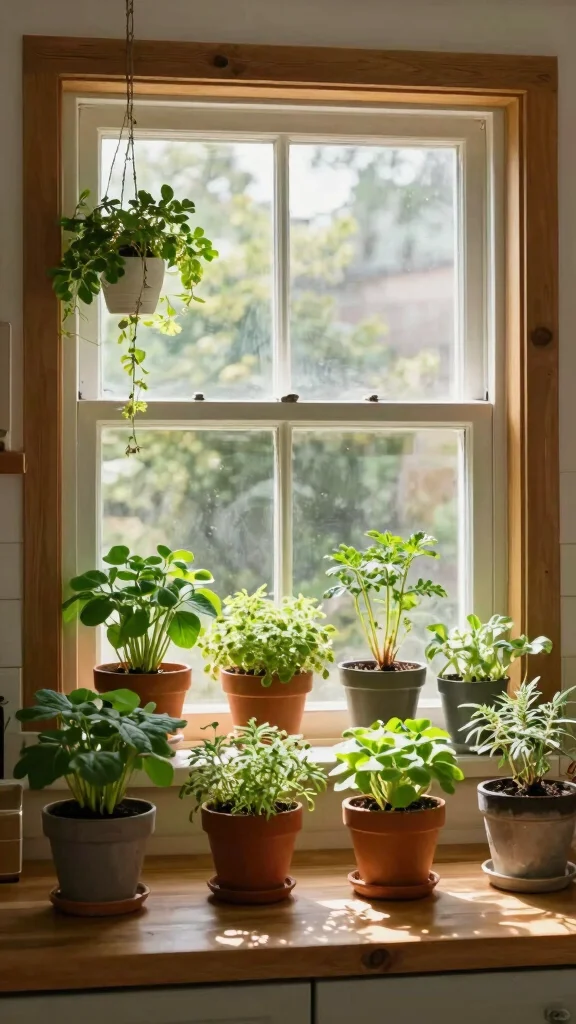
Cultivating a variety of kitchen window plants can not only enhance the aesthetics of your space but also provide fresh ingredients for your meals all year long. From aromatic herbs to vibrant succulents, there’s a world of possibilities waiting right at your fingertips.
These plants offer flavor, nutrition, and beauty, making them perfect for any kitchen, especially in small spaces. So why not start your indoor garden today? Your culinary adventures will thank you!
Note: We aim to provide accurate product links, but some may occasionally expire or become unavailable. If this happens, please search directly on Amazon for the product or a suitable alternative.
This post contains Amazon affiliate links, meaning we may earn a small commission if you purchase through our links, at no extra cost to you.
Frequently Asked Questions
What are the best kitchen window plants ideas for growing herbs year‑round in a small space?
Great question for kitchen window plants ideas! For year‑round herb gardening in a small space, start with sun-loving staples like basil, oregano, and thyme that crave bright sun. For windows with less light, try parsley, chives, and mint—they tolerate partial shade well. Place pots on a south or east‑facing sill or add a compact grow light to keep year-round gardening on track. Use containers with drainage, a good potting mix, and water when the top inch feels dry. Feed monthly in the growing season, and harvest frequently to promote ongoing growth. This setup is a solid example of herb garden ideas for small space gardening and fits indoor plants for beginners.
How should I arrange a kitchen window garden to maximize space and support year‑round herb gardening?
Think vertical and modular. Use a tiered shelf, wall‑mounted planters, or window boxes to squeeze in multiple species without crowding. Choose compact varieties labeled for small spaces. Use a mix of sun‑loving and shade‑triendly herbs so you can harvest all year. Place near a bright window; if light is limited, add a small LED grow light. Use high‑quality potting mix and drainage; group plants with similar water needs; rotate plants periodically to keep growth even. With these steps you can implement effective kitchen window plants ideas and small space gardening without sacrificing harvests.
Are there low‑light kitchen window plants that still yield fresh herbs year‑round?
Absolutely. If your window is shaded, focus on parsley, chives, and mint, which tolerate lower light. You can also use partial shade with a couple of hours of sun or supplement with a compact grow light. Keep soil evenly moist but not soggy, prune regularly to encourage bushier growth, and harvest leaves often to maintain productivity. For extra reliability, consider a small, energy‑efficient grow light setup. This approach supports low light plants in year‑round gardening and fits herb garden ideas for indoor plants for beginners.
What care routine keeps kitchen window plants thriving through every season?
Consistency is key. Water when the top inch of soil is dry, adjust for humidity and plant size, and use room‑temperature water to avoid shock. Feed every 4–6 weeks with a balanced fertilizer during active growth, and prune regularly to keep herbs productive and bushy. Wipe leaves to remove dust, check for pests, and rotate pots so all plants get light evenly. In winter, reduce feeding and rely more on light supplementation if needed. A simple, steady routine makes year‑round gardening in a small space gardening setup easy and rewarding.
Can a beginner create a complete kitchen window herb garden using ideas from this article?
Yes—start small and build up. Pick 3–4 easy, fast‑growing herbs, choose compact containers, and place them in the brightest window you have (or add a small grow light). Establish a simple watering and feeding schedule, then harvest regularly to encourage growth. This approach embodies herb garden ideas, indoor plants for beginners, and year‑round gardening in a small space gardening mindset that’s approachable and practical.
Related Topics
kitchen window plants
herb garden ideas
indoor plants
low light plants
small space gardening
year-round gardening
beginner friendly
easy care plants
urban gardening
compact gardening
herb gardening
houseplants for beginners