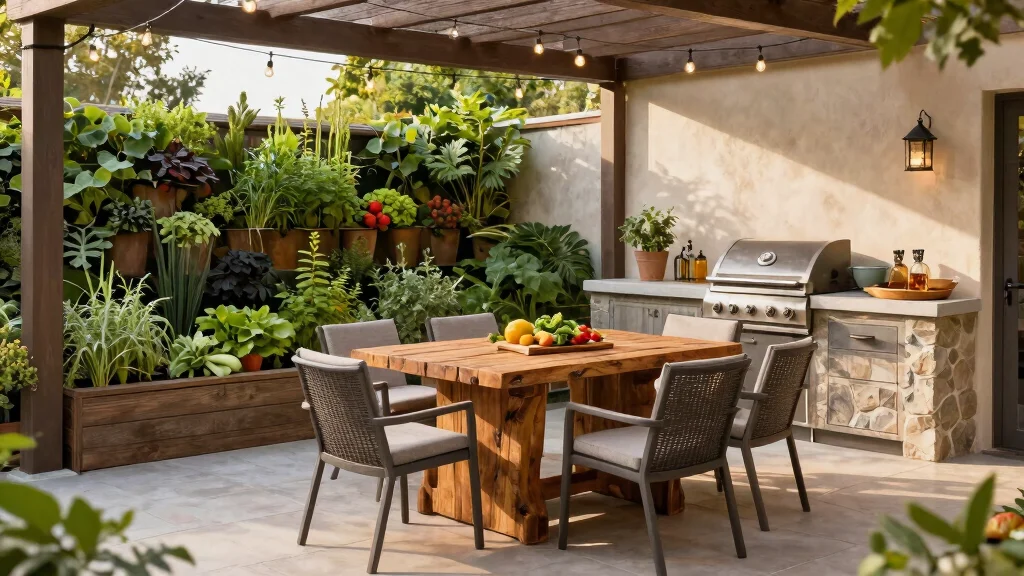
Creating an outdoor kitchen patio has become a popular trend for those who love to blend cooking with nature. As you step outside into your garden, the idea of cooking fresh meals while enjoying the outdoors is simply irresistible. This post is all about exploring 12 outdoor kitchen patio ideas that help create a fun, functional space where you can entertain, cook, and relax—all while keeping the environment in mind. The motivation behind this piece is to inspire you to transform your outdoor cooking spaces into welcoming areas that encourage sustainable living.
If you’re someone who enjoys gardening, cooking, or simply loves spending time outdoors, then this guide is perfect for you. You’ll find innovative ideas that combine practicality with aesthetics, perfect for anyone who wants to embrace a green lifestyle while enjoying delicious meals under the sky. Whether you’re a seasoned chef or a newbie in the kitchen, these patio design ideas will spark your creativity and elevate your outdoor experience.
Get ready to discover tips and tricks that are not only stylish but also eco-friendly. You’ll learn how to integrate edible gardens, choose sustainable materials, and set up patio furniture arrangements that encourage gathering with family and friends. With these ideas, you’ll create a seamless outdoor living space that connects your home to nature, allowing for year-round enjoyment. Let’s dive in and explore the best outdoor kitchen patio concepts that will inspire your next home project!
Key Takeaways
– Create a Herb Haven with vertical gardens to maximize space and add fresh flavors to your dishes.
– Build a Rustic Fire Pit Cooking Station for cozy gatherings and fun outdoor cooking experiences.
– Integrate Edible Landscaping by mixing flowers with vegetables for beauty and practicality.
– Choose Sustainable Materials for your patio to minimize your environmental impact while enhancing durability.
– Design Covered Patios that allow you to enjoy your outdoor kitchen year-round, no matter the weather.
1. The Herb Haven: Vertical Gardens
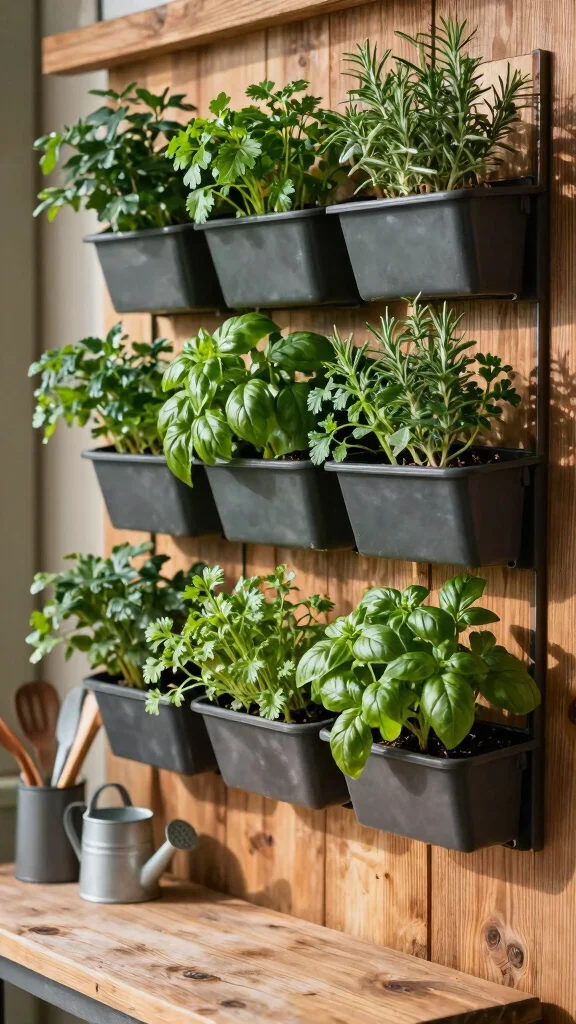
Are you dreaming of fresh herbs at your fingertips? Imagine snipping basil, parsley, and rosemary straight from your own vertical garden. These stunning installations are not only beautiful but also space-saving, making them perfect for any outdoor kitchen patio. You can easily access your favorite herbs while cooking, adding that burst of flavor to your dishes effortlessly.
When creating your herb haven, consider these tips:
– Choose the Right Plants: Opt for herbs that thrive in your climate. Basil and thyme are great choices.
– Maximize Sunlight: Position your vertical garden where it can receive at least 6 hours of sunlight a day.
– Water Wisely: Use drip irrigation or self-watering pots to ensure your herbs stay hydrated.
With a dedicated herb haven, flavor is always within reach, making your outdoor kitchen a culinary paradise!
2. Rustic Fire Pit Cooking Station

Craving that smoky flavor from open flames? Incorporating a rustic fire pit into your outdoor kitchen patio design will transform your cooking experience. Fire pits provide a casual setting for roasting marshmallows or preparing meals in cast iron skillets, making every gathering special.
For a successful fire pit cooking station, keep these tips in mind:
– Safety First: Ensure the fire pit is placed away from flammable materials and have a fire extinguisher handy.
– Comfortable Seating: Arrange seating around the fire pit to encourage conversation and camaraderie.
– Creative Cooking: Experiment with skewers and grill baskets for unique meals that impress your guests.
This rustic charm not only brings warmth but also enhances your outdoor cooking adventures, creating lasting memories.
3. Edible Landscaping: Integrating Flowers and Vegetables
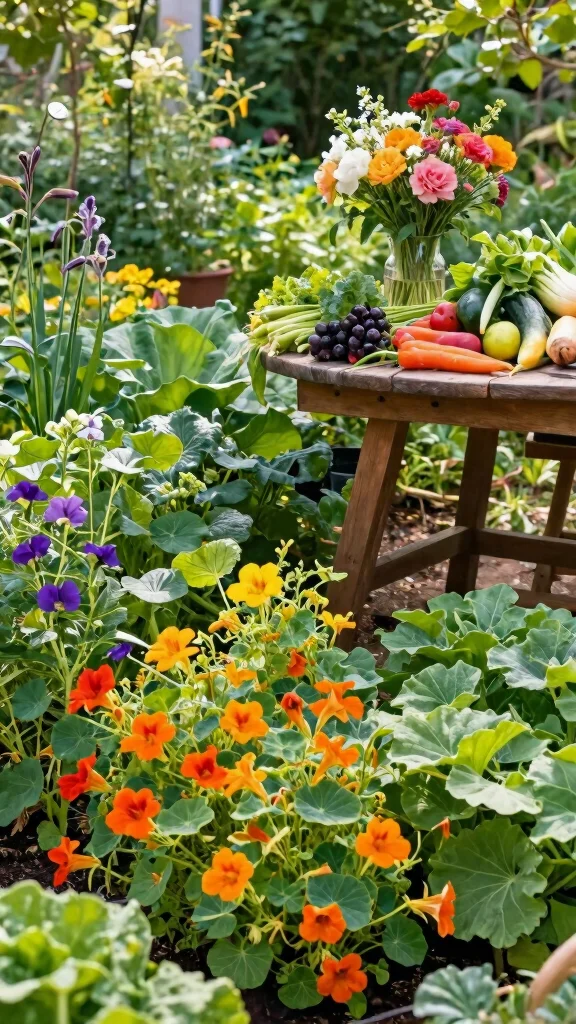
Want to beautify your garden while growing your own food? Edible landscaping merges aesthetics with functionality in a delightful way. Bright flowers like nasturtiums can beautifully coexist with your heirloom tomatoes, making your outdoor space vibrant and productive.
Here’s how to incorporate edibles into your patio landscaping:
– Plan for Variety: Combine flowering plants with vegetables for visual appeal.
– Seasonal Rotation: Change your plants according to the seasons to keep the garden lively.
– Companion Planting: Utilize companion planting techniques to enhance growth and flavor.
This approach not only adds beauty but also provides fresh ingredients right from your garden!
4. Sustainable Materials: Eco-Friendly Construction
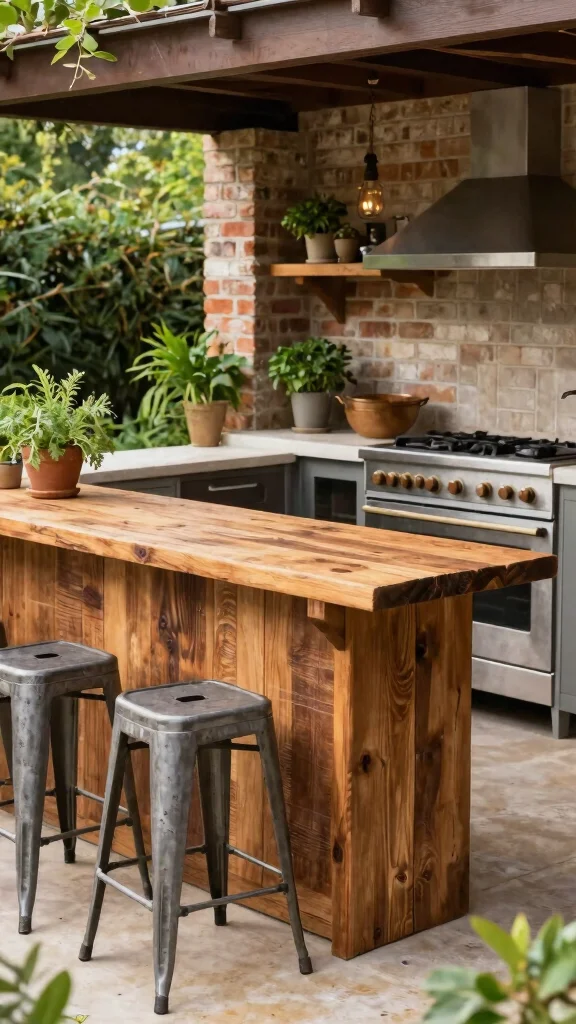
Looking to make your outdoor kitchen patio more eco-friendly? Using sustainable materials not only protects the environment but also adds character to your space. Reclaimed wood for countertops or recycled bricks for your cooking area can create a unique and stylish design.
When selecting materials, consider these aspects:
– Recycled Materials: Use reclaimed wood, metal, or bricks whenever possible.
– Low-Impact Designs: Explore designs that minimize environmental impact while maximizing style.
– Durability: Choose materials that are built to last, reducing the need for replacements.
By opting for sustainable materials, you can enjoy guilt-free cooking in a stylish outdoor kitchen.
5. Covered Patios for Year-Round Enjoyment
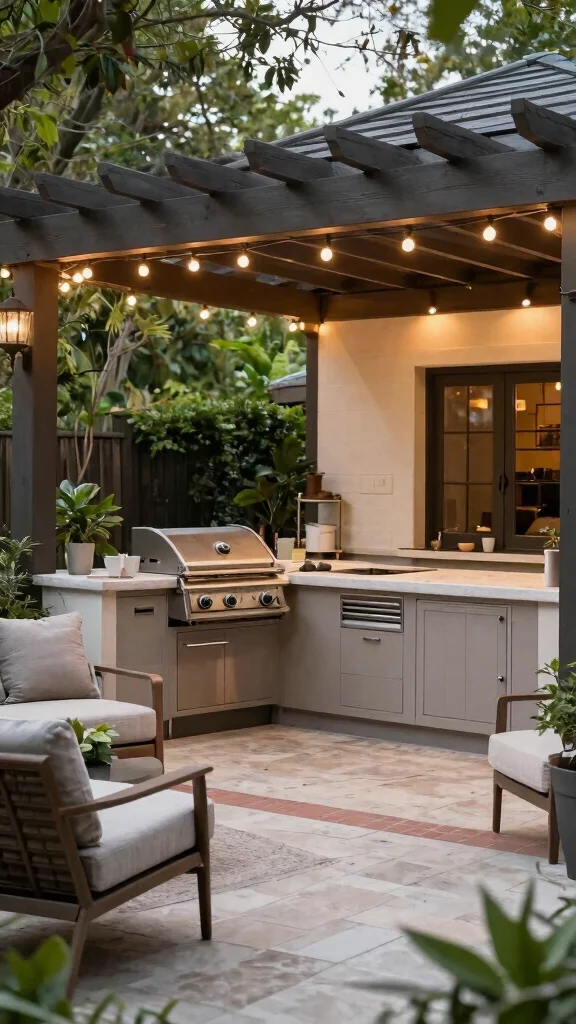
Do you want to enjoy outdoor cooking regardless of the weather? Covered patios provide the perfect solution for year-round enjoyment. With a pergola or a retractable awning, you can cook and host gatherings without worrying about rain or shine.
Consider these elements for your covered patio:
– Open-Air Design: Integrate ceilings with grill vents to maintain airflow and comfort.
– Furniture Choices: Select weather-resistant materials for your patio furniture to ensure longevity.
– Lighting Options: Implement stylish lighting fixtures to create a cozy evening atmosphere.
A covered patio transforms your outdoor kitchen into a welcoming haven, inviting you to linger longer, no matter the season.
6. Composting Station: Waste Not, Want Not
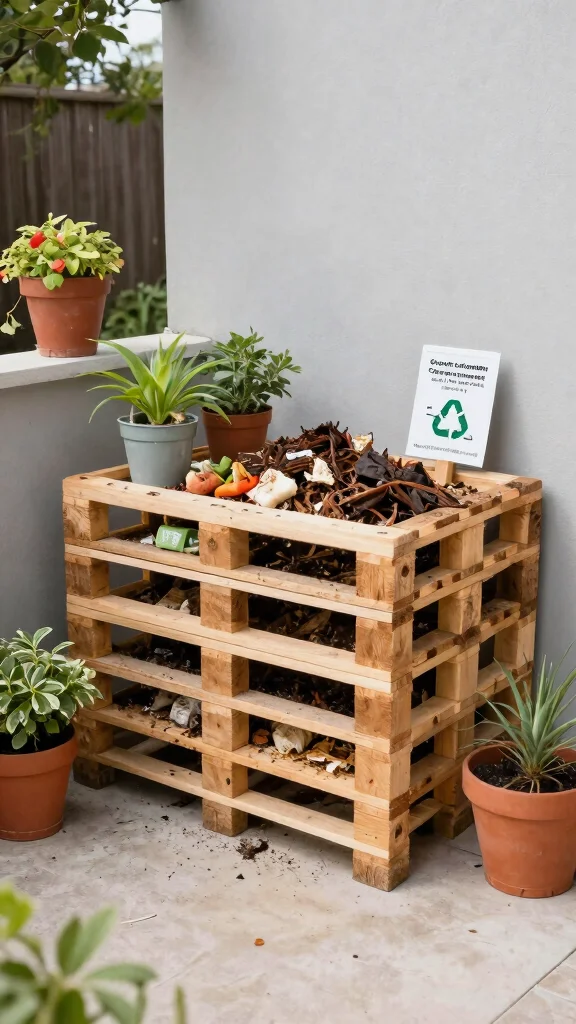
Want to reduce waste while enriching your garden? A composting station in your outdoor kitchen patio can help you recycle kitchen scraps into nutrient-rich soil. This sustainable loop of food production is perfect for any eco-conscious gardener.
For a successful composting station, consider these tips:
– Location Selection: Choose a spot that is easily accessible yet discreet from your social area.
– Balance Ingredients: Ensure a mix of green (nitrogen-rich) and brown (carbon-rich) materials for effective composting.
– Maintenance: Turn the compost regularly to aerate and speed up the decomposition process.
With a composting station, you minimize waste and create beautiful soil to nourish your edible gardens!
7. Outdoor Cooking for Sustainability: Solar Ovens
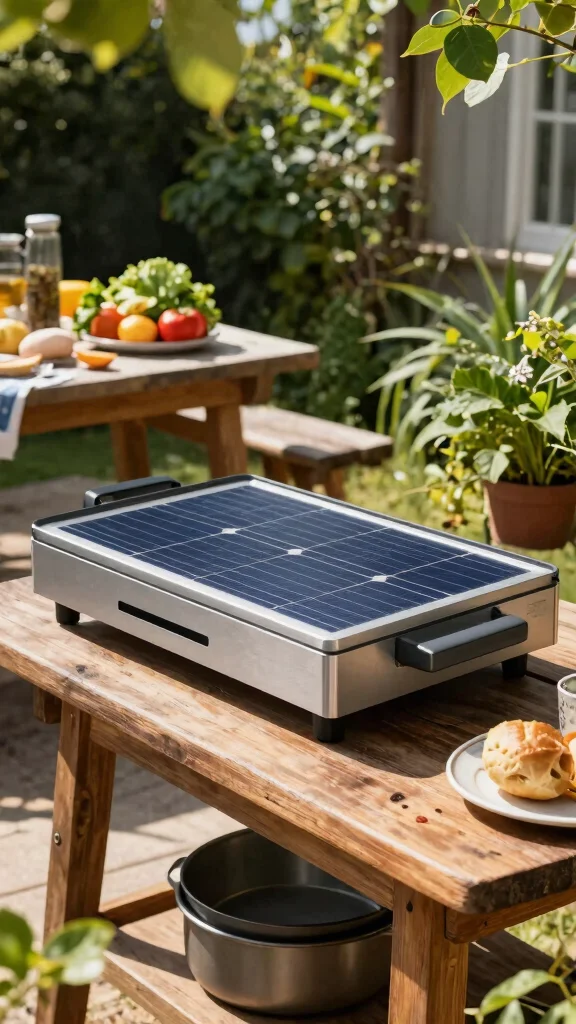
Excited about using solar energy for cooking? A solar oven is a fantastic addition to your outdoor kitchen patio, allowing you to bake, boil, or steam food using the power of the sun. This method reduces your carbon footprint while providing delicious meals.
To make the most of your solar oven, keep these tips in mind:
– Placement: Position your oven to receive maximum sunlight throughout the day.
– Temperature Control: Use reflectors to direct sunlight towards your cooking area to increase efficiency.
– Recipe Selection: Opt for recipes that require longer cooking times, like stews or baked goods.
With a solar oven, you can enjoy guilt-free outdoor cooking while being kind to the planet!
Did you know a solar oven can reach 350°F in about 20 minutes of sun? With a few reflectors, you can bake, boil, or steam meals using only daylight, slashing carbon emissions from your outdoor kitchen patio.
Key Trade-offs & Our Top Pick
Option 1: Traditional Outdoor Kitchen Patio
– Pros:
– Classic design that fits well in various home styles.
– Ample space for multiple cooking areas, making it great for gatherings.
– Durable materials like stone or brick ensure longevity.
– Cons:
– Can be costly to install and maintain.
– Requires careful planning to ensure all utilities are properly set up.
– Limited flexibility in layout once built.
– Best for: Homeowners who love entertaining and have the budget for a robust outdoor setup.
Option 2: Sustainable Outdoor Kitchen with Edible Gardens
– Pros:
– Integrates gardening with cooking, providing fresh ingredients right at your fingertips.
– Encourages an eco-friendly lifestyle, reducing your carbon footprint.
– Can be designed with recycled materials, saving costs.
– Cons:
– Requires regular maintenance of both the kitchen and garden areas.
– Initial setup can be labor-intensive, especially if creating raised beds or vertical gardens.
– Limited cooking space compared to traditional setups.
– Best for: Eco-conscious individuals looking to grow their own food while cooking outdoors.
Option 3: Compact Outdoor Cooking Space
– Pros:
– Space-saving design ideal for smaller backyards or patios.
– Often budget-friendly, using less material and fewer appliances.
– Quick and easy to install with minimal disruption.
– Cons:
– Limited cooking capacity may not accommodate large gatherings.
– Can feel cramped, especially with multiple cooks in the area.
– Less storage space for utensils and ingredients.
– Best for: Small families or urban dwellers with limited outdoor space.
Option 4: Covered Outdoor Kitchen Patio
– Pros:
– Provides protection from the elements, allowing year-round cooking.
– Offers a cozy atmosphere, ideal for intimate dinners or family gatherings.
– Enhances your home’s visual appeal with stylish roofing options.
– Cons:
– Initial cost can be high due to construction and material choices.
– Requires proper ventilation to avoid cooking odors lingering.
– May need regular maintenance to keep the roof and structure in good shape.
– Best for: Homeowners in regions with unpredictable weather who want to enjoy outdoor cooking all year long.
Expert Recommendation:
Best Overall: Sustainable Outdoor Kitchen with Edible Gardens
This option stands out as it combines cooking with gardening, making it a smart choice for many families. You get to enjoy fresh produce right from your backyard, promoting a healthy lifestyle. Plus, using eco-friendly materials helps save on costs in the long run while contributing to a better environment. It’s easy to personalize and fits various backyard sizes and styles.
Why We Picked This:
While the sustainable outdoor kitchen with edible gardens appeals to many, some might prefer the traditional outdoor kitchen for its spaciousness and classic charm. On the other hand, those with limited space may find the compact outdoor cooking space more practical. Each option has its strengths, so consider your needs, budget, and lifestyle when making your choice.
8. Outdoor Pizza Oven: A Culinary Centerpiece
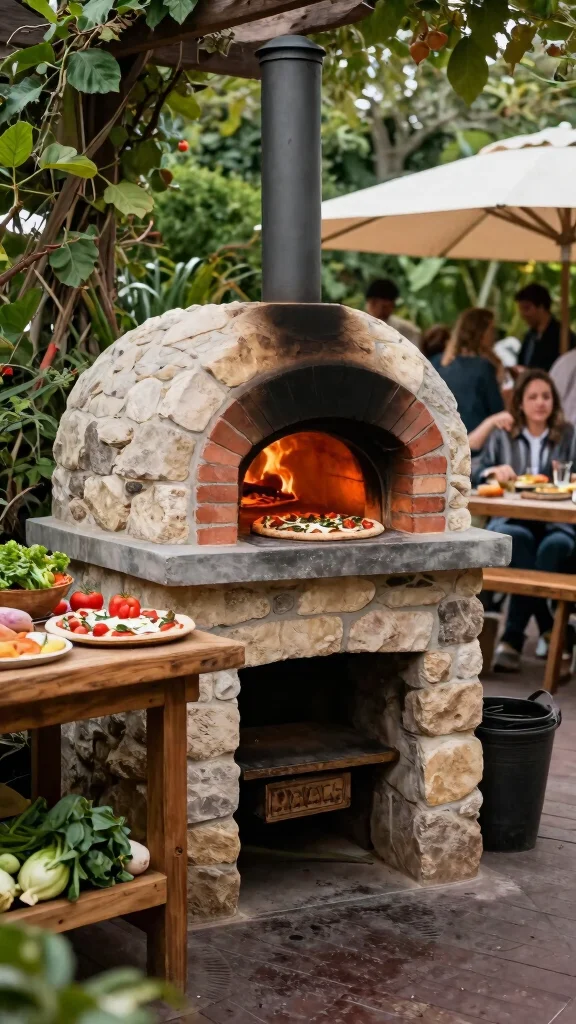
Craving authentic wood-fired pizza? A rustic pizza oven can be the centerpiece of your outdoor kitchen patio, delivering delicious pizzas while serving as a social hub for gatherings. The aroma of freshly baked pizza creates a delightful atmosphere for friends and family.
When incorporating a pizza oven, consider these points:
– Location: Position your oven near your prep area for convenience.
– Materials: Use traditional stone or brick for an authentic look that complements your patio décor.
– Versatility: Experiment with more than just pizza; bake bread or roast vegetables too!
The outdoor pizza oven becomes a focal point of flavor and fun, bringing everyone together with every bite.
9. Colorful Outdoor Furniture Arrangements
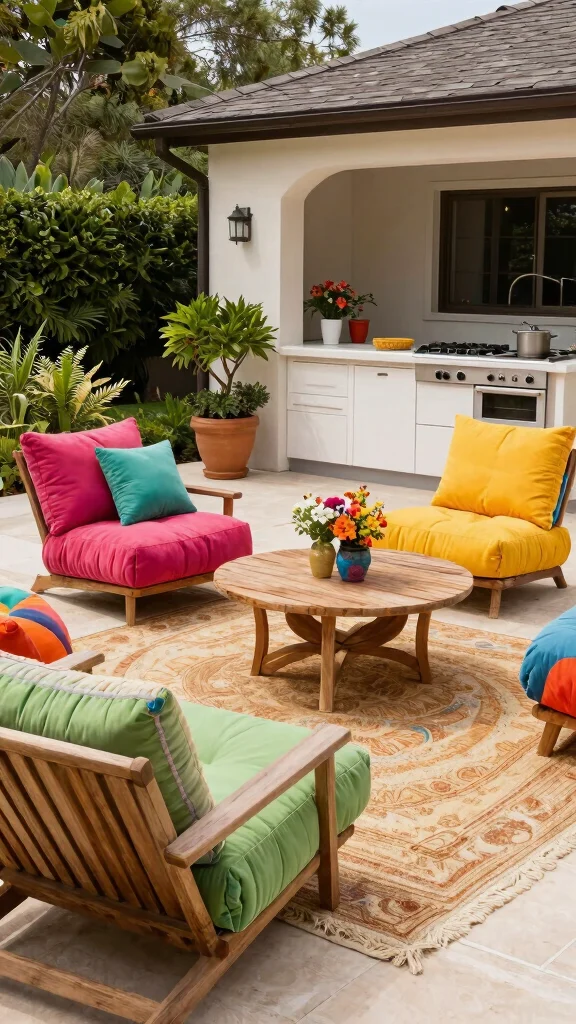
Looking to spice up your outdoor kitchen patio? Vibrant, colorful furniture can transform your space into an inviting area that attracts guests. Think bright cushions, eclectic table settings, and cozy seating options.
Here’s how to enhance your patio furniture arrangements:
– Mix and Match: Combine different styles and colors for a fun, cohesive look.
– Comfort Focus: Choose furniture that encourages relaxation—think oversized cushions and loungers.
– Outdoor Rugs: Incorporate weather-resistant rugs to define spaces and add warmth.
Bright furniture arrangements not only elevate aesthetics but also create a welcoming atmosphere, encouraging everyone to enjoy their time outdoors!
Colorful furniture is your invitation to linger on the outdoor kitchen patio. Mix bright cushions with bold table settings to spark conversation and comfort. Pro tip: layer textures with an outdoor rug and oversized cushions for a cohesive, welcoming vibe.
10. Themed Outdoor Dining Experiences
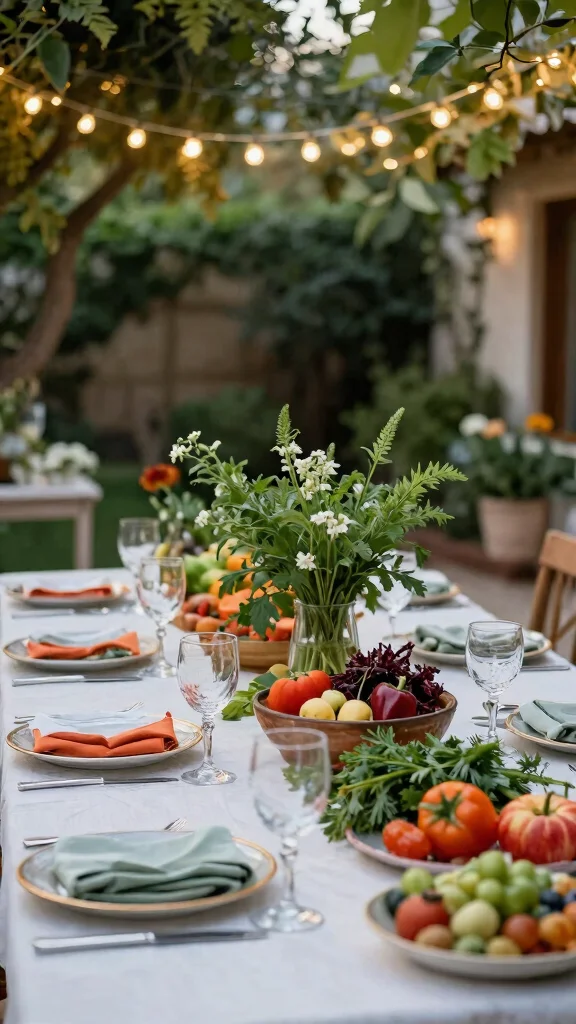
Want to create memorable gatherings in your outdoor kitchen patio? Themed dining experiences can add excitement and charm to your events. Whether it’s a Mediterranean feast or a backyard barbecue, themed dining sets the perfect mood.
Here’s how to create themed dining:
– Decor: Use decorations that fit the theme, from table linens to centerpieces.
– Menu Planning: Curate a menu that complements the theme, featuring fresh produce from your garden.
– Music and Lighting: Set the ambiance with music that matches the theme and ambient lighting that enhances the atmosphere.
With themed outdoor dining, every meal becomes a special occasion, inviting your guests into a world of culinary adventure.
11. Garden Pathways: Connect the Spaces
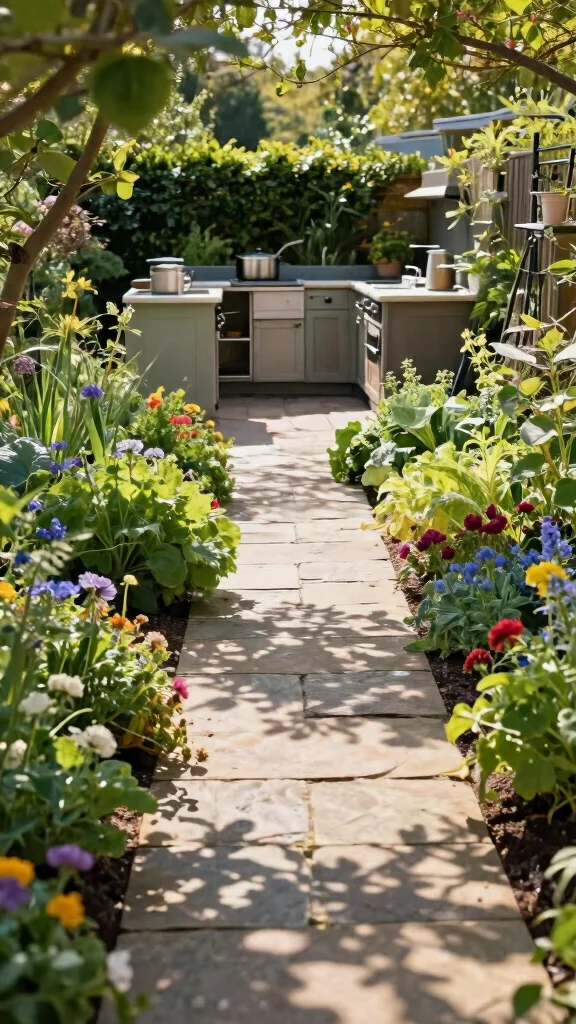
Want to create beautiful flow throughout your outdoor kitchen patio? Pathways not only establish order but also enhance the landscape. Use natural stone, gravel, or wood chips to design paths that guide guests through your edible gardens and cooking spaces.
Key considerations for your garden pathways:
– Design: Plan for curved paths that encourage exploration of your garden.
– Materials: Choose materials that blend seamlessly with your patio’s aesthetics.
– Plant Integration: Incorporate low-growing plants along the edges for a vibrant, lush look.
Well-designed pathways enhance the overall experience, inviting guests to roam freely and enjoy your outdoor kitchen’s beauty.
Fun Fact: Curved garden paths invite exploration and slow the pace, making your edible gardens feel larger. When you couple natural stone, gravel, or wood chips with a seamless outdoor kitchen patio, guests flow naturally from cooking to conversation.
12. Seasonal Decor Adaptations
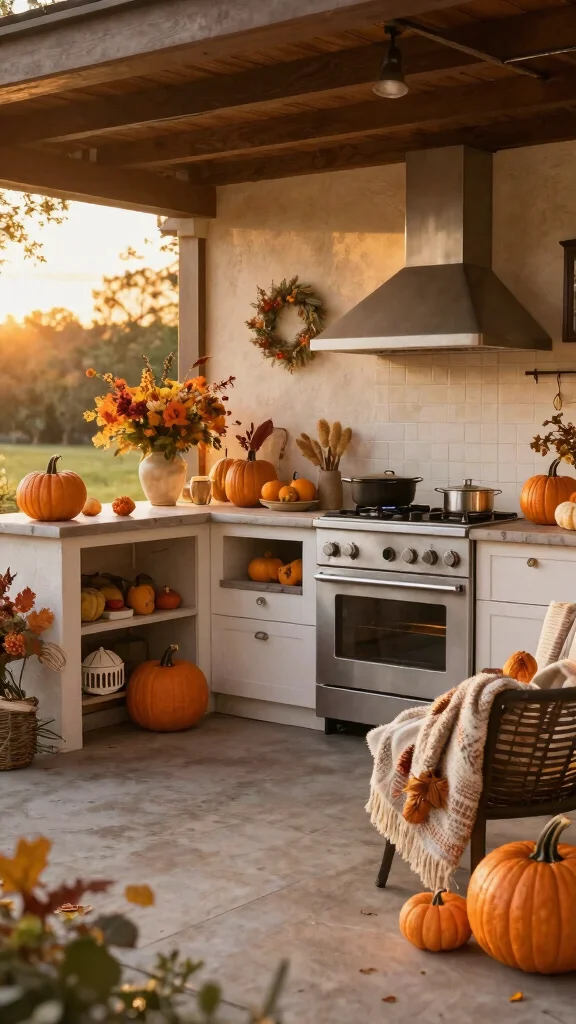
Want to keep your outdoor kitchen patio fresh and inviting throughout the year? Adapting your decor seasonally can reflect the beauty of each season. From fall pumpkins to summer florals, changing decorations can renew your space’s charm.
Here are some seasonal decor ideas:
– Autumn: Incorporate pumpkins, gourds, and warm-colored table settings.
– Winter: Use evergreen arrangements and cozy throws for warmth and comfort.
– Spring/Summer: Bright flowers and vibrant tableware create a cheerful vibe.
By embracing seasonal decor adaptations, your outdoor kitchen remains inviting and delightful all year round!
Conclusion
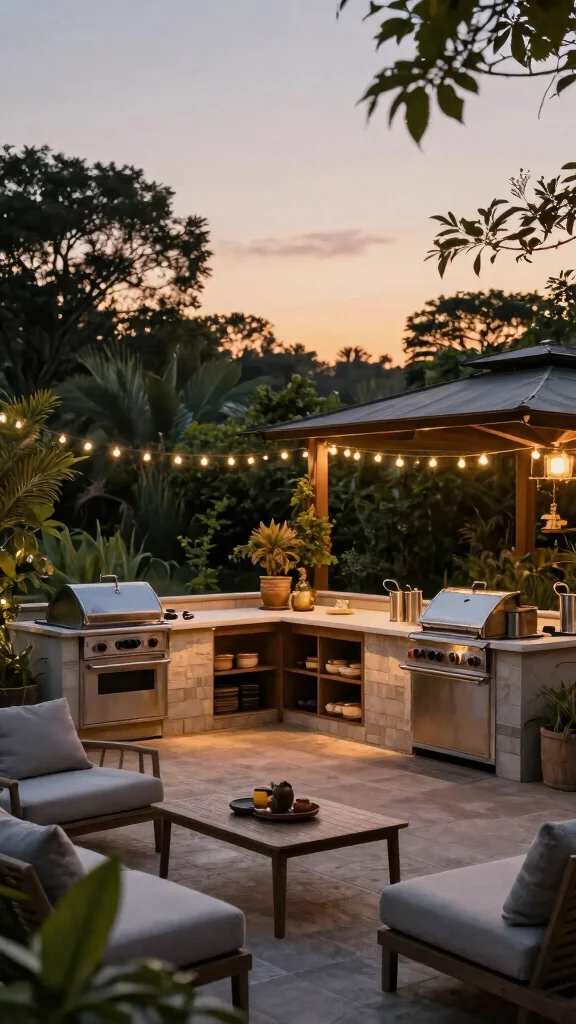
Creating an outdoor kitchen patio with seamless indoor-outdoor flow is not just about food—it’s about lifestyle. By incorporating sustainable elements and edible gardens, you enhance your cooking experience while staying eco-conscious. Each of these ideas offers unique possibilities to make your outdoor space functional, beautiful, and connected to nature. Why not get started on your outdoor kitchen patio transformation today?
Note: We aim to provide accurate product links, but some may occasionally expire or become unavailable. If this happens, please search directly on Amazon for the product or a suitable alternative.
This post contains Amazon affiliate links, meaning we may earn a small commission if you purchase through our links, at no extra cost to you.
Frequently Asked Questions
What makes an outdoor kitchen patio truly seamless with indoor spaces?
A truly seamless experience comes from alignment of indoor and outdoor spaces, material harmony, and functional zones. Start by aligning doors or sightlines so the kitchen faces the living area, then carry the same color palette and materials from inside to outside. Create defined zones for prep, cooking, dining, and cleanup with easy access between them. Add shade or shelter (pergola, retractable awning) to extend use, and install weatherproof appliances and integrated lighting for night-time dining. Use cohesive outdoor kitchen patio design cues to achieve seamless outdoor living that feels like an extension of the home, and check out patio design ideas to inspire your layout.
How can I incorporate edible plants into a sustainable outdoor kitchen patio?
To weave edible plants into an eco-friendly setup, place herbs and greens close to the prep area for quick snips while cooking. Use raised beds or smart planters for edible gardens that stay tidy and productive. Add a vertical garden or trellis for herbs like rosemary, thyme, and mint. Group edible plants with companion flowers to attract pollinators and reduce pests—great for garden landscaping tips. Use a drip irrigation system and a rain barrel for water efficiency, and compost kitchen scraps to close the loop in your sustainable patio. Finishing touches: mulch to preserve moisture, and native, drought-tolerant plants to keep maintenance low but yield high.
What are practical patio furniture arrangements for an outdoor cooking space?
Plan your layout so the cooking zone remains functional while guests can mingle. Place the grill and prep area on one side and the dining area on the other, with a clear path between. Use patio furniture arrangements that are flexible: modular seating, a mix of chair heights, and weather-resistant materials. Add an outdoor rug to define the dining zone and consider a shade solution so guests can linger after meals. Keep lines open for outdoor cooking spaces to stay practical, and use cohesive cues for seamless outdoor living like matching materials and lighting.
What budget-friendly ideas can upgrade an outdoor kitchen patio while keeping sustainability?
Start with repurposed or modular furniture that can be reconfigured, and choose native plants to reduce water use. Try simple patio design ideas like a compact prep island with extra storage that doubles as a serving surface. Add solar-powered lighting and energy-efficient appliances when possible. Grow herbs in inexpensive planters or repurpose pallets into planters for sustainable outdoor living and edible gardens. These upgrades keep costs down while boosting functionality and eco-friendliness.
How do I maintain a sustainable outdoor kitchen patio with an edible garden year-round?
Set a seasonal maintenance schedule: prune herbs, harvest vegetables, refresh mulch, and inspect irrigation lines. Pair your upkeep with garden landscaping tips to keep beds healthy and productive. Practice water-smart care with drip irrigation, rainwater harvesting, and composting of kitchen scraps to close the loop. Regularly inspect cabinets, seals, and outdoor appliances to extend their life. With a little routine, your outdoor kitchen patio stays vibrant, productive, and in harmony with the garden all year long.
Related Topics
outdoor kitchen patio
patio design ideas
sustainable gardening
edible gardens
seamless outdoor living
outdoor cooking spaces
garden landscaping tips
patio furniture arrangements
DIY outdoor kitchens
beginner gardening
eco-friendly patios
seasonal outdoor spaces