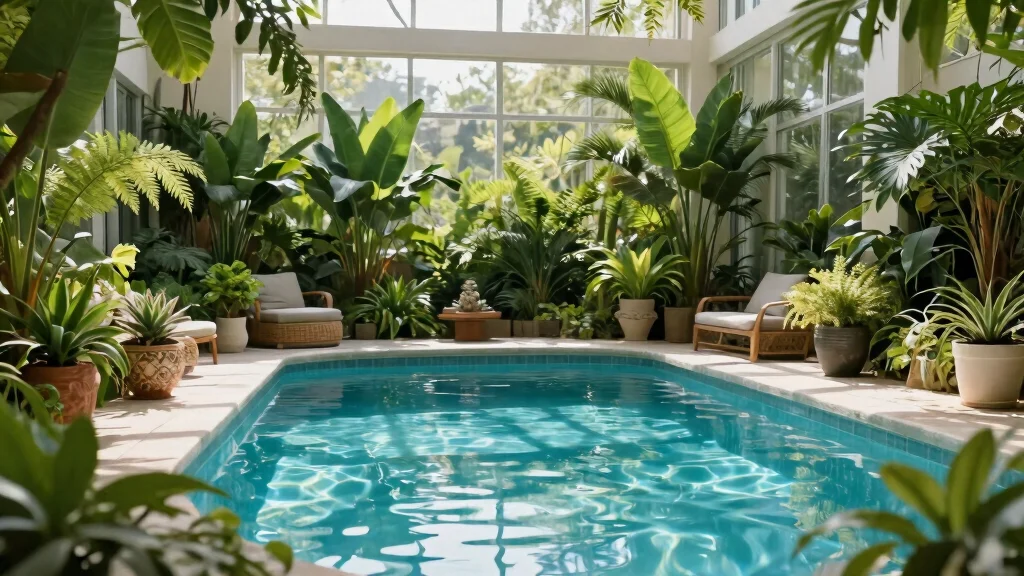
Creating a crystal-clear pool can sometimes feel like a daunting task, especially if you’re new to indoor gardening systems. You may find yourself wondering how to keep your pool water clean and refreshing while also ensuring it’s perfect for your plants. That’s why I put together this guide. Maintaining your pool water doesn’t have to be complicated or overwhelming. With the right approach, you can easily achieve that sparkling clarity you’ve been craving.
If you’re someone who loves indoor gardening or just wants to enjoy a clear pool without hassle, this post is for you. Whether you’re a seasoned gardener or just starting out, you know that clean water is crucial for both your plants and your relaxation. With our 12 Pool Water Crystal Clear 7 Day Method, you’ll gain insights that will help you maintain optimal water clarity, making your indoor pool a serene oasis for your greenery and a refreshing escape for you.
In this guide, you’ll receive practical tips and strategies to enhance your pool maintenance routine. From understanding pH levels to addressing hard water issues, I’ve compiled 12 actionable steps that will lead you to a sparkling clean pool in just a week. Get ready to dive into a wealth of knowledge that is designed to make pool care approachable, effective, and even enjoyable.
Key Takeaways
– Understanding pH Levels: Learn how to balance your pool’s pH for optimal water clarity and safety for your plants.
– Stabilizing Chlorine Levels: Discover the importance of maintaining appropriate chlorine levels to prevent algae growth and keep the water fresh.
– Filtration System Maintenance: Regular upkeep of your filtration system is essential for removing impurities and ensuring clear water.
– Algae Control Techniques: Explore various methods to combat algae build-up and maintain a crystal-clear swimming environment.
– Creating a Routine: Establishing a consistent cleaning and maintenance schedule will lead to long-term success and peace of mind in your pool care.
1. Understanding pH Levels
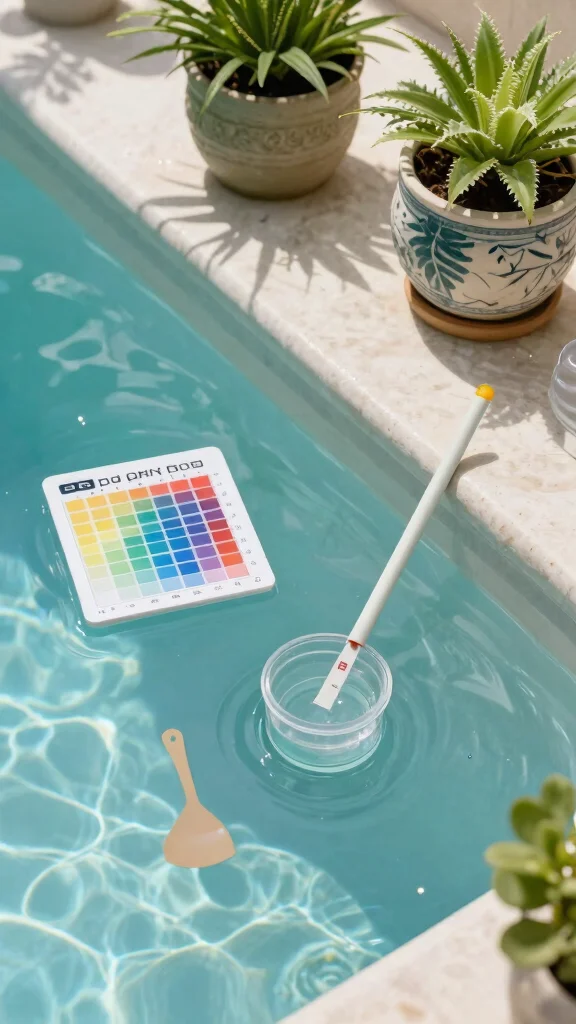
To achieve that stunningly clear pool, you must first understand the pH levels of your water. This essential factor not only impacts the clarity of your pool but also influences the health of your aquatic plants. Aim for a pH range of 7.2 to 7.6 to prevent issues like algae growth and cloudiness. Keeping your pH balanced is key to a vibrant pool environment that supports your indoor garden.
Start by using a reliable pH testing kit to check your water levels. If adjustments are needed, you can add pH increasers or decreasers made from sodium bicarbonate or muriatic acid. Regular monitoring will help ensure your garden flourishes alongside your pool.
Key actions to maintain pH balance:
– Test your water every few days, especially in the initial week.
– If pH is high, dilute with more water or test your source water.
– Regular checks keep your pool and plants healthy.
Maintaining a balanced pH ensures your pool sparkles and your plants thrive.
2. Stabilizing Chlorine Levels
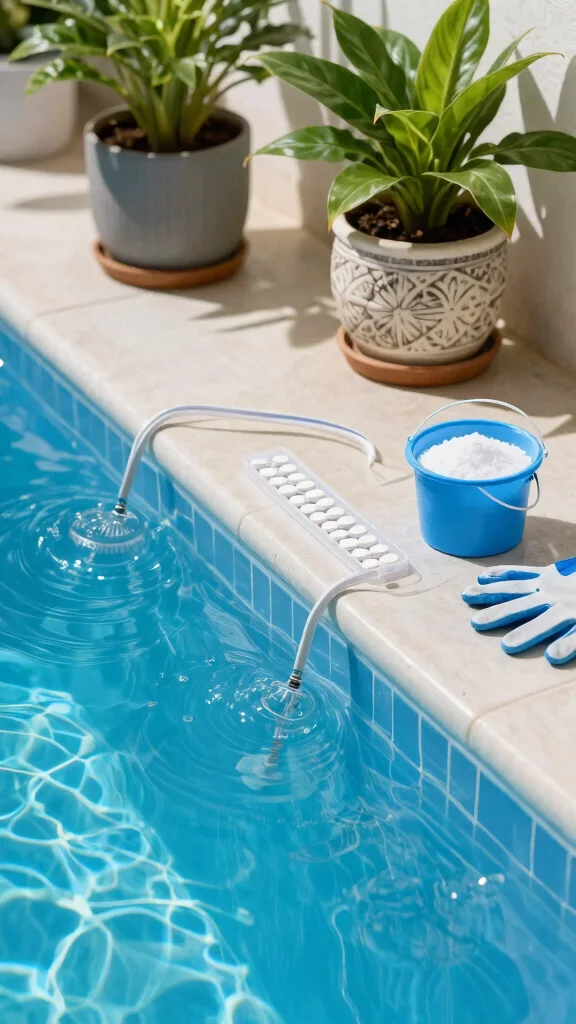
Chlorine is crucial for keeping your pool water clear and safe, as it eliminates harmful bacteria and algae. For best results, maintain a chlorine level between 1-3 ppm (parts per million). Regularly check these levels to ensure a safe swimming environment for both you and your plants.
You can introduce chlorine through tablets, granules, or liquid solutions; just be sure to follow the manufacturer’s instructions. Over-chlorination can harm your plants, while not enough can lead to murky waters.
Tips for chlorine management:
– Use stabilizer to maintain chlorine levels, especially indoors.
– Always wear gloves when handling chlorine and store it safely.
– Regular checks keep your pool inviting and safe for aquatic life.
With proper chlorine balance, your pool will shine while protecting the health of your plants.
3. Filtration System Maintenance
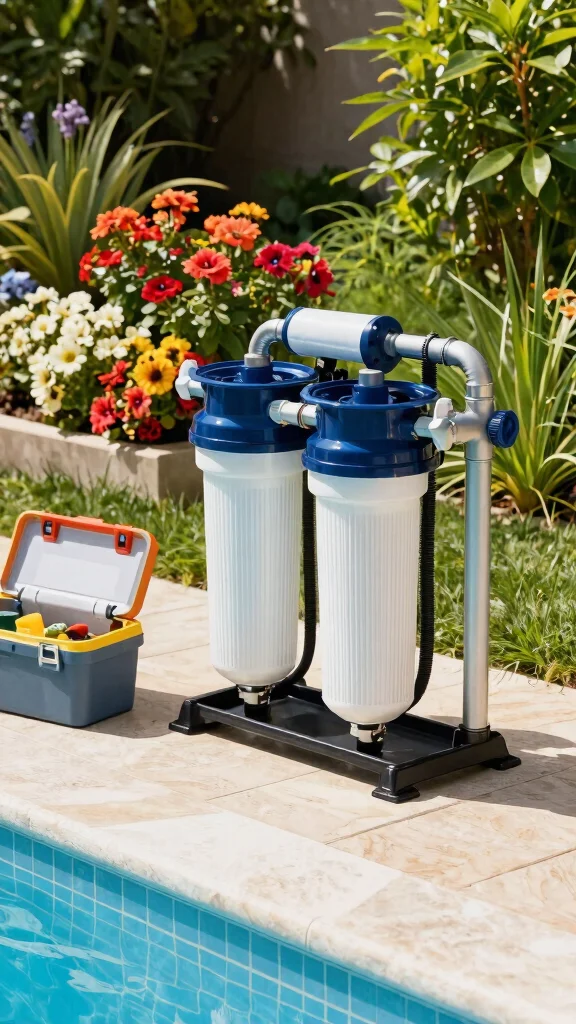
Think of your pool’s filtration system as the heart of your indoor oasis. Keeping it clean and in optimal condition is vital for maintaining crystal-clear water. Regularly inspect your filters and clean them according to usage to ensure maximum efficiency.
A clogged filter can lead to cloudy water and encourage algae growth, so make it a habit to backwash or clean your filters every few weeks. If you use a cartridge filter, rinse it under running water until debris is gone; for sand filters, a thorough backwash is essential.
Maintenance tips for your filtration system:
– Inspect filters weekly and replace them every 3-5 years.
– Add a pre-filter system to capture larger particles.
– Clean filters regularly to keep your pool sparkling.
A well-maintained filtration system significantly enhances water clarity and supports the health of your aquatic plants.
Fun fact: a clogged filter can cut water flow by up to 50% and trigger algae blooms. Backwash every few weeks to keep pool water crystal clear and your filters humming.
Ongoing Maintenance & Care Guide
Maintaining a crystal clear pool is essential for both enjoyment and health. Follow these guidelines to keep your indoor gardening pool water pristine and clear.
Maintenance Schedule:
Daily/Weekly Tasks:
– Check pH levels: Test the water every 2-3 days to ensure balance. This task takes about 10 minutes.
– Skim the surface: Remove debris like leaves and insects. Aim for this task to take around 10-15 minutes.
– Run the filtration system: Ensure it runs for at least 8-10 hours daily to maintain water clarity. This is an ongoing task.
Monthly/Seasonal Tasks:
– Clean the filter: Depending on your filter type, clean or replace it monthly. This usually takes 30-60 minutes.
– Shock the pool: Use a chlorine shock treatment once a month to kill any bacteria. Expect to spend about 15-30 minutes on this.
– Inspect equipment: Check pumps and hoses for leaks or wear. This can take around 20-30 minutes.
Maintenance Summary Table:
| Task | Frequency | Difficulty | Time Needed |
|——————————-|————-|————|————–|
| Check pH levels | Daily | Easy | 10 minutes |
| Skim the surface | Daily | Easy | 10-15 minutes|
| Run filtration system | Daily | Easy | Ongoing |
| Clean the filter | Monthly | Moderate | 30-60 minutes|
| Shock the pool | Monthly | Moderate | 15-30 minutes|
| Inspect equipment | Monthly | Moderate | 20-30 minutes|
Common Issues to Watch For:
⚠️ Cloudy water: This could mean imbalance in pH or chlorine levels. Test and adjust accordingly.
⚠️ Algae growth: Look for green or brown spots. This indicates a need for immediate shock treatment and cleaning.
⚠️ Strong chemical smell: If the smell is too strong, it may mean chlorine levels are too high. Test the water and reduce chlorine if needed.
Care Tips:
💡 Regularly monitor water temperature: Keeping it stable between 74°F and 78°F helps prevent algae growth.
💡 Use aquatic plants: Incorporate plants like water lilies. They help with filtration and add beauty.
💡 Cover your pool: Use a pool cover when not in use. This keeps debris out and reduces evaporation.
💡 Educate yourself continuously: Stay informed about pool maintenance trends through online resources or community workshops.
💡 Create a routine: Set specific days for your weekly and monthly tasks. Consistency makes maintenance easier.
Following these guidelines will help you achieve a crystal clear pool in just 7 days. With attention to detail and a proactive approach, your indoor gardening system will thrive in a clean, clear environment. Enjoy your gardening journey with a healthy pool!
4. Algae Control Techniques
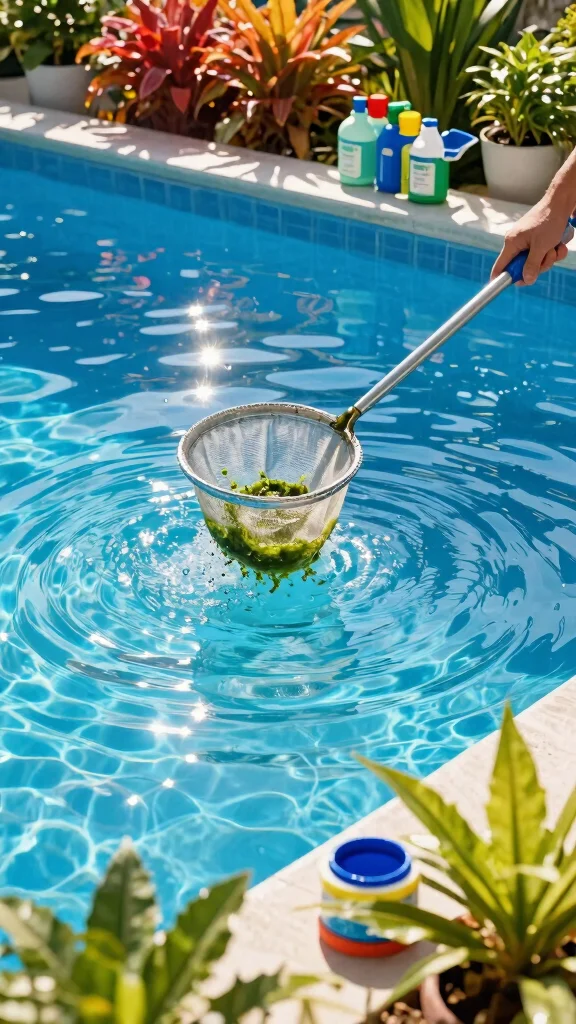
Algae can be a persistent problem in pool maintenance, affecting water clarity and harming your plants. The best way to combat algae is through consistency in your cleaning routine. Use algaecides or natural treatments like vinegar and baking soda as preventive measures.
If algae have already taken hold, shocking your pool with a large dose of chlorine can effectively eliminate the problem. This quick action helps restore clarity and safety to your water.
Essential algae control actions:
– Regularly brush the walls and floor of the pool to disrupt algae growth.
– Use a pool vacuum to remove algae buildup.
– Maintain a consistent cleaning schedule to prevent future outbreaks.
Staying proactive in algae control keeps your pool pristine and your indoor garden thriving.
5. Regular Cleaning Schedule
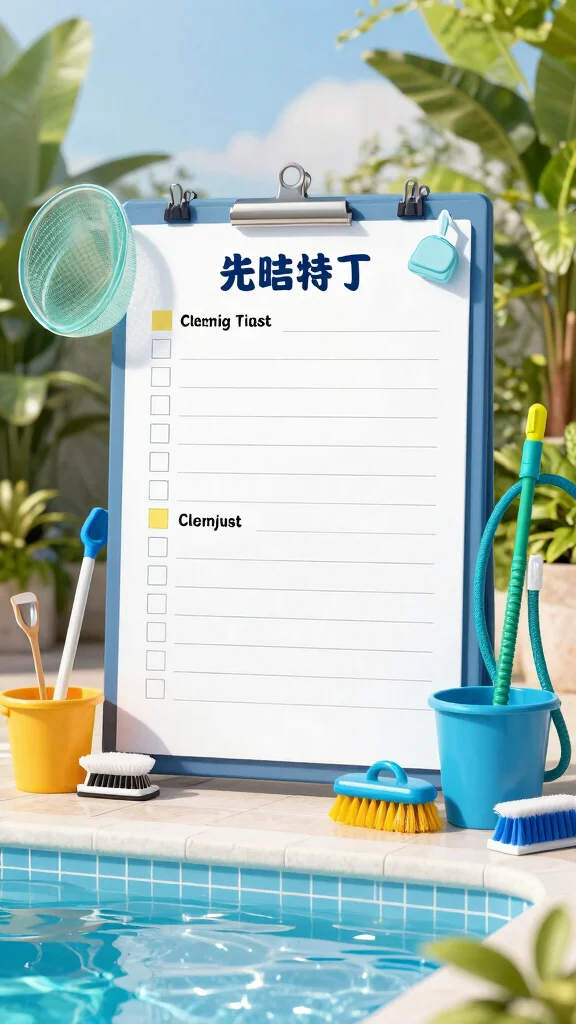
Establishing a regular cleaning schedule is crucial for maintaining a crystal-clear pool. This includes daily skimming of debris, weekly vacuuming, and brushing the walls and tiles. Keeping your pool clean minimizes the need for extensive chemical treatments, benefiting both the water and your plants.
A sample cleaning schedule might look like this:
– Daily: Skim debris and check chlorine and pH levels.
– Weekly: Vacuum the pool, brush surfaces, and clean filters.
– Monthly: Inspect equipment and shock the pool if necessary.
Keep track of your tasks with a checklist to ensure nothing is overlooked.
With consistent attention, your pool will remain a stunning feature of your indoor garden.
6. Using Natural Remedies
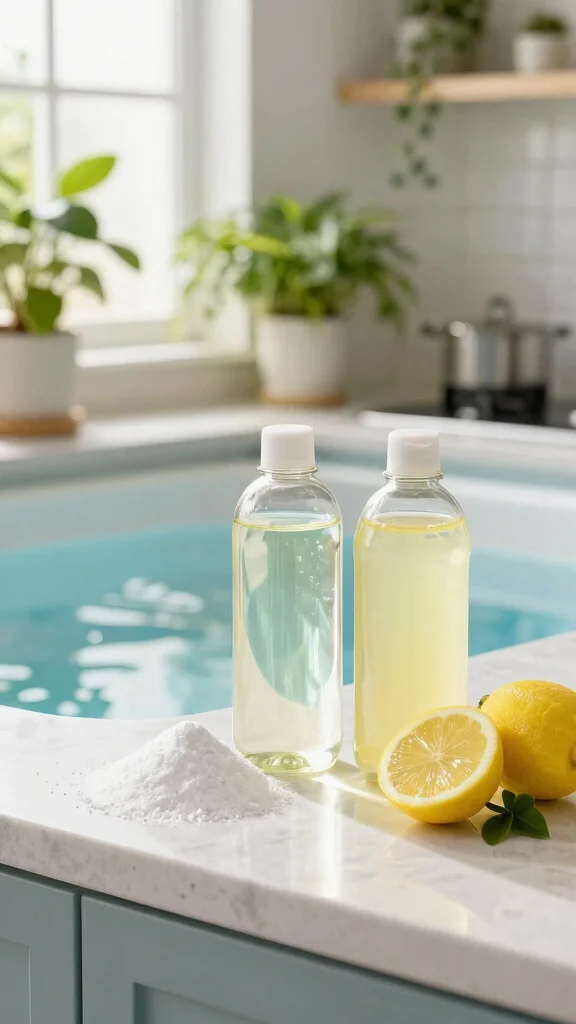
Incorporating natural remedies is an excellent way to maintain water clarity without resorting to harsh chemicals. Ingredients like baking soda, vinegar, and lemon juice can effectively help with pool maintenance. Baking soda balances pH levels, while vinegar can serve as a natural algaecide when diluted.
Here’s how to use these remedies:
– Baking Soda: Add 1 pound for every 10,000 gallons of water.
– Vinegar: Mix one part vinegar with five parts water to treat algae.
– Lemon Juice: Add a few cups to help clear cloudy water.
Ensure to test your water after using these ingredients to maintain proper chemical levels.
Natural remedies not only keep your pool water clear but also support a healthy environment for aquatic plants.
7. Monitoring Water Temperature
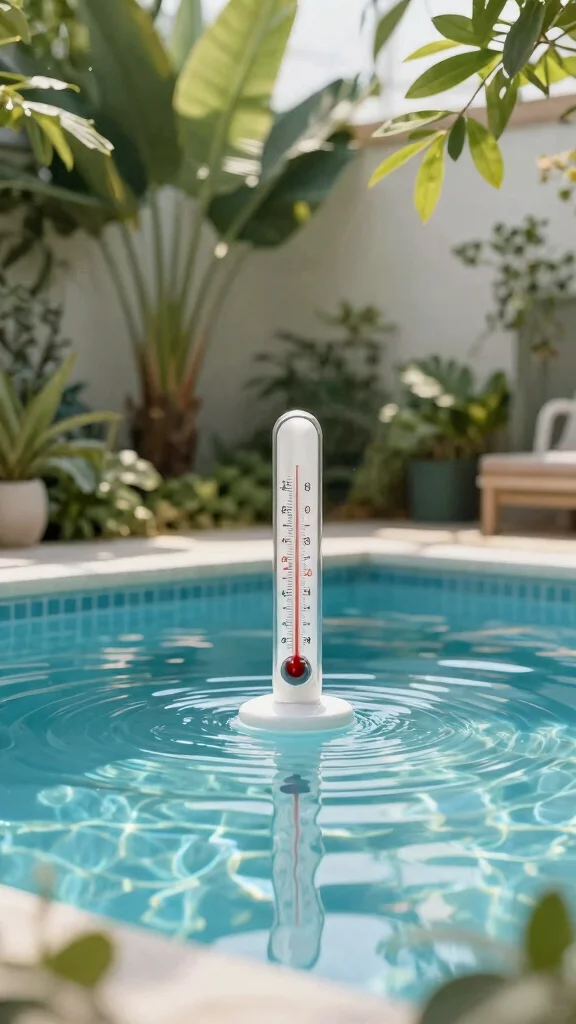
Water temperature is a vital factor in maintaining pool clarity. Warmer water can encourage algae growth, making it essential to keep your pool cool. Aim for a temperature range of 70°F to 80°F for optimal conditions.
To monitor water temperature effectively:
– Use a reliable thermometer placed in the pool.
– If the water warms up, use shade covers or plant taller plants to block direct sunlight.
Pro tip: Install a pool cover when not in use to maintain temperature and prevent heating from sunlight.
By managing water temperature, you create a clean and healthy environment for your indoor plants.
Fun fact: Keeping pool water between 70°F and 80°F slows algae growth and keeps clarity 2x longer than warmer water. Use a reliable thermometer and shade covers when the sun blazes.
8. Incorporating Aquatic Plants
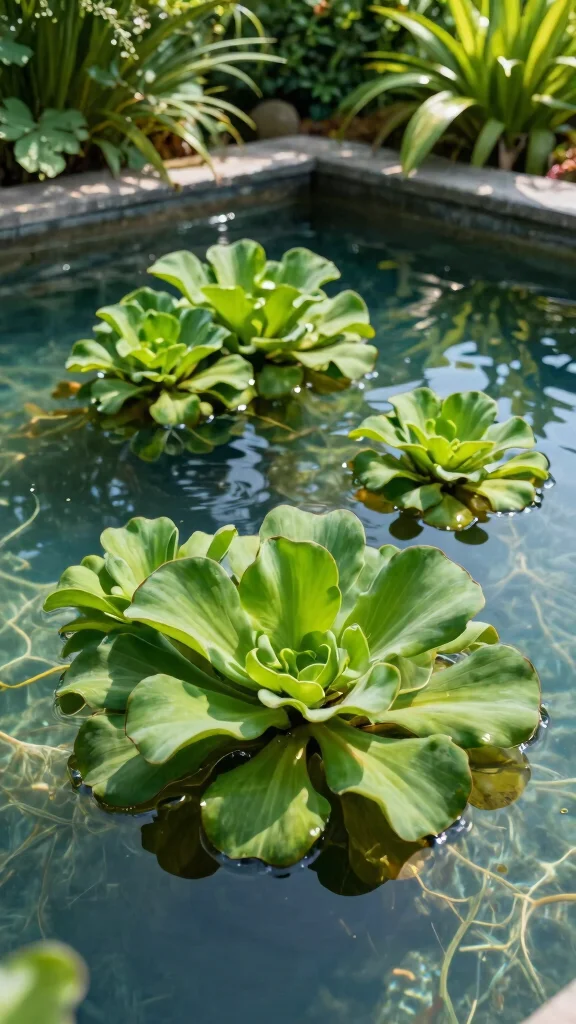
Adding aquatic plants to your indoor pool enhances its beauty and helps maintain water clarity. These plants absorb excess nutrients and produce oxygen, keeping the water clean and fresh.
Consider these aquatic plants:
– Water Lilies: Gorgeous floating plants that provide shade and reduce algae growth.
– Hornwort: An oxygenator that thrives in various conditions.
– Anacharis: A fast-growing plant that efficiently absorbs nutrients.
Use a mix of submerged and floating plants for optimal filtration and visual appeal.
With the right selection, aquatic plants can elevate your pool’s clarity and the overall ambiance of your indoor garden.
9. Addressing Hard Water Issues
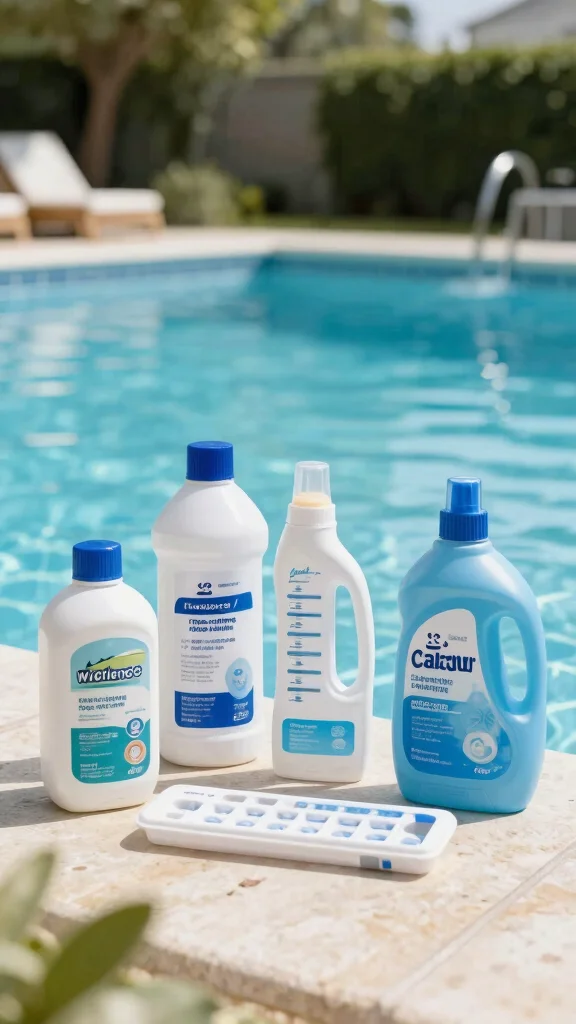
Cloudy water or scaling on tiles may indicate hard water issues. This can lead to calcium buildup, affecting pool clarity. To manage hardness, consider using a water softener or adding specific chemicals to reduce calcium levels.
Regularly test your water hardness with these steps:
– Test hardness levels every month.
– If levels exceed 200 ppm, seek remedies.
– Dilute hard water with distilled water if possible.
Long-term solution: Install a whole-house water softener to address hard water at the source.
Effectively managing hard water enhances your pool maintenance efforts and contributes to a crystal-clear appearance.
10. Using Pool Covers
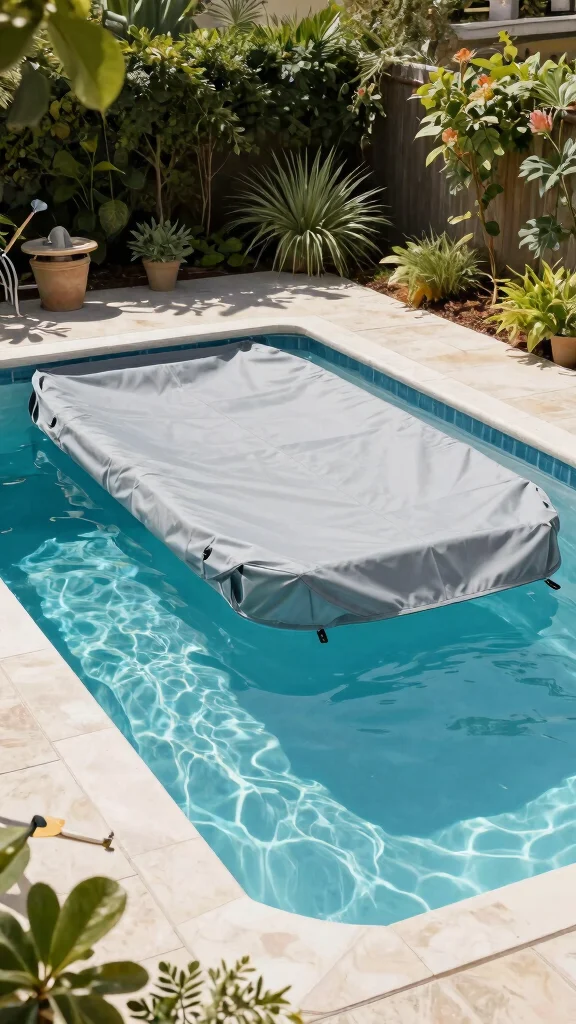
Investing in a quality pool cover can significantly ease your maintenance routine. Covers keep debris out, help maintain temperature, and reduce the need for chemicals.
When selecting a pool cover, keep these factors in mind:
– Material: Choose durable, UV-resistant materials for outdoor conditions.
– Fit: Ensure the cover fits snugly to prevent debris from entering.
– Ease of Use: Look for a cover that is simple to install and remove.
Tip: Use a mesh cover in summer to allow rainwater through while blocking leaves.
A reliable pool cover keeps your indoor oasis cleaner and more inviting, simplifying your maintenance routine.
11. Educating Yourself Continually
Pool maintenance is an ongoing journey, making it crucial to stay informed. Regularly read articles, join forums, and consult with pool care experts to keep your knowledge up to date. Each season brings new challenges, so preparation is key.
Subscribe to newsletters or magazines dedicated to pool care and gardening. Attend workshops or online courses to gain hands-on experience and practical tips.
Pro tip: Connect with local gardening and pool maintenance communities for support and advice.
By continually educating yourself, you’ll enhance your skills and create a thriving indoor garden with a beautiful pool.
Did you know that regular learning can cut pool water chemical tweaks by 60%? Staying curious—reading articles, attending workshops, and chatting with local experts—keeps indoor pool systems stable. Pro tip: subscribe to pool care newsletters for up-to-date tips and practical fixes.
12. Creating a Routine
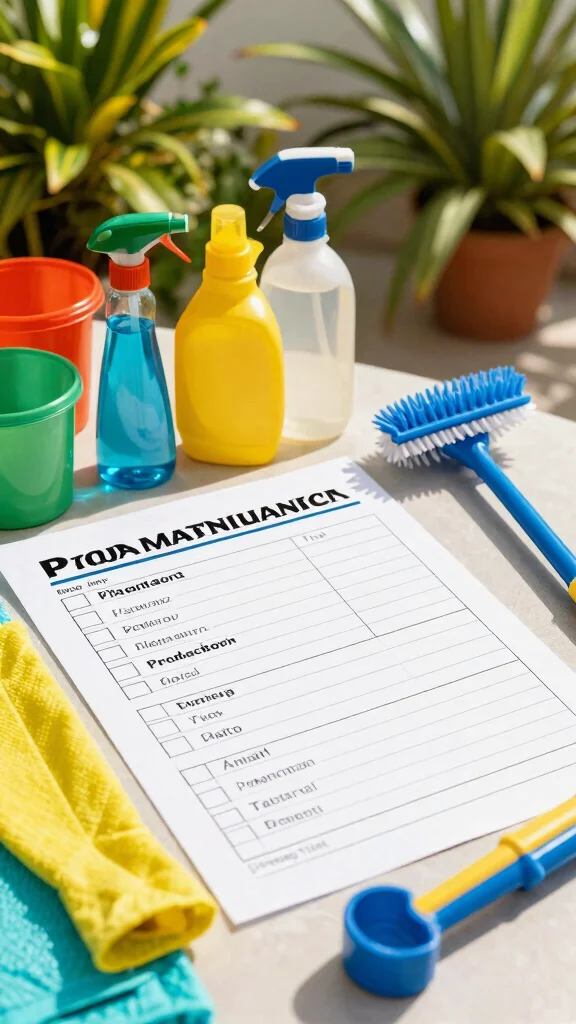
Creating a structured routine for pool maintenance brings consistency and ease. Dedicate time each week to check levels, clean, and monitor your pool, ensuring your indoor garden thrives. A simple checklist or calendar can help you stay organized.
Your routine may include:
– Daily: Check water levels and remove debris.
– Weekly: Clean and test water.
– Monthly: Conduct deep cleaning and inspect equipment.
Reminder: Keep a journal to track changes in water quality and plant health.
A well-structured routine not only maintains water quality but also enhances your enjoyment of the indoor garden experience.
Conclusion
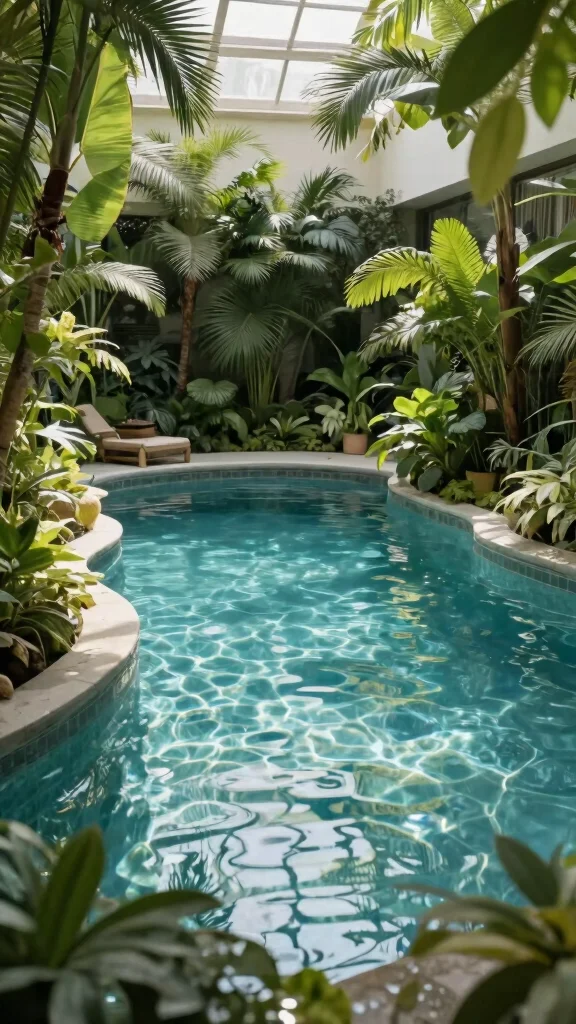
Achieving a crystal-clear pool in your indoor garden is absolutely within reach with a little dedication and the right methods. By following this seven-day strategy and continually caring for your pool, you’ll create a stunning oasis that both you and your plants can thrive in. Embrace the beauty of a well-maintained pool, and let it elevate your indoor gardening experience to new heights.
Note: We aim to provide accurate product links, but some may occasionally expire or become unavailable. If this happens, please search directly on Amazon for the product or a suitable alternative.
This post contains Amazon affiliate links, meaning we may earn a small commission if you purchase through our links, at no extra cost to you.
Frequently Asked Questions
What is the 12 Pool Water Crystal Clear 7 Day Method and how does it work for indoor pool water in a gardening system?
This method is a practical, step-by-step plan to turn murky indoor pool water into a crystal clear result in 7 days while supporting an indoor gardening system. It focuses on balancing pool water chemistry, improving water clarity, and optimizing pool maintenance routines. Expect a daily sequence of testing, adjusting pH and alkalinity, circulating water through a clean filter, brushing and vacuuming, and using a clarifier or algaecide if needed. Run the pump continuously, backwash as required, and keep ventilation in the grow area to protect plants and avoid chemical buildup.
How often should I test and adjust pool water parameters when using the 12 Pool Water Crystal Clear 7 Day Method?
Test the water at the start (Day 1) and again on Days 3 and 7 to confirm you’re within target ranges. Aim for pH 7.2–7.6, alkalinity 80–120 ppm, and free chlorine 1–3 ppm. In between, perform quick checks if you notice color change, odor, or strange taste. Maintaining steady chemistry supports water clarity and makes your pool maintenance easier throughout the 7 days.
What are the most common mistakes that ruin crystal clear pool water with the 12 Pool Water Crystal Clear 7 Day Method?
Common pitfalls include skipping or delaying tests, over-dosing chlorine or algaecide, not running the filtration long enough, and neglecting to brush or vacuum debris. Another big one is not backwashing when the filter is dirty, which reduces circulation and clarity. For indoor gardening setups, poor ventilation or allowing chemicals to linger near plant beds can also affect plant health and water quality. Avoid these missteps to protect water clarity and overall pool care methods.
Can I use the 12 Pool Water Crystal Clear 7 Day Method with indoor gardening systems and grow lights, and how can I protect my plants?
Yes, you can use this method with indoor gardening systems, but safety matters. Keep chemicals stored away from plant roots and ensure good ventilation to prevent fumes from reaching plants. Run the exhaust fan and plan chemical dosing when plants are not actively transpiring near the pool area. Always monitor humidity and watch for any chemical odors. By separating dosing times and maintaining proper water quality, you’ll protect both pool water clarity and your indoor garden.
Do I need special pool care products for the 12 Pool Water Crystal Clear 7 Day Method, or can I stick with basics?
You can start with basic, proven products: a chlorine source, a pH adjuster, an alkalinity booster, a good disinfectant or sanitizer, and a clarifier if needed. A simple pool maintenance kit and a reliable test kit go a long way. Optional extras like a non-foaming clarifier or a mild algaecide can accelerate results. The key is consistent testing, proper dosing, and solid filtration to achieve crystal clear pool water without overdoing chemicals.
Related Topics
pool water
pool maintenance
indoor gardening
water clarity
crystal clear pool
pool cleaning tips
easy methods
7 day challenge
beginner friendly
pool care techniques
seasonal maintenance
quick tips